+1 617 404 2125
Sukhothai Historical Park




Search


| 📌 Address | Phi Phi Islands, Mueang Krabi District, Krabi, Thailand |
| ⏰ Opening Hours | 8:00 AM - 5:00 PM |
| 💸 Entrance Fee | Free |

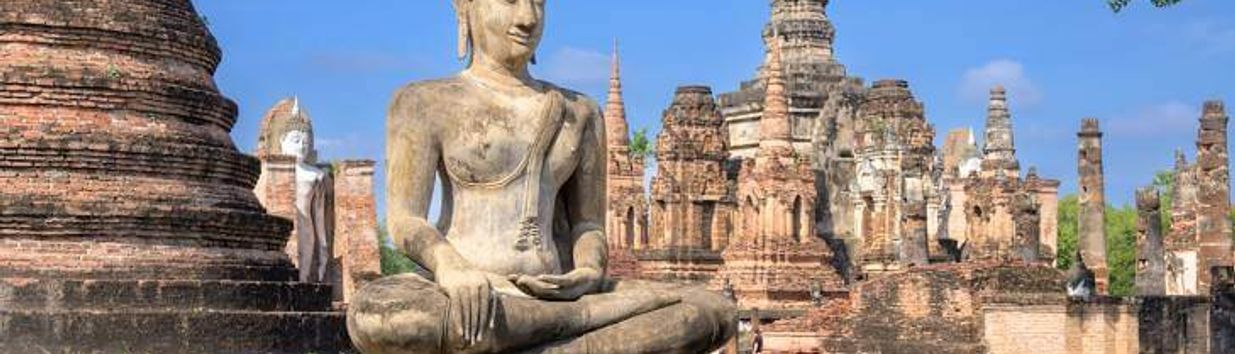
Sukhothai Historical Park is a treasure trove of historical significance, nestled in the heart of former Sukhothai Province, far north of where you're currently basking on the sandy shores of Phi Phi Islands. This park is a cultural heritage site that spans the ruins of Sukhothai, which was the first capital of the ancient Sukhothai Kingdom from the 13th to 14th centuries. It's a vast complex of temples, statues, and ancient relics that has been carefully preserved and protected under UNESCO's watchful eye since its designation as a World Heritage site in 1991.
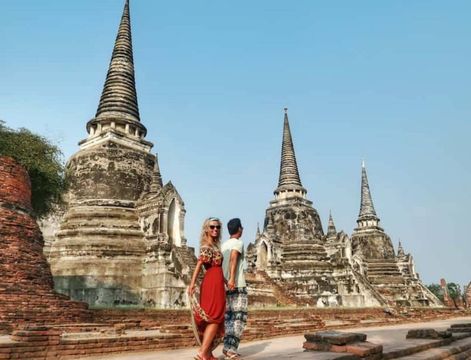
Have you always wanted to visit an ancient city in Thailand? Now is your chance with our Ayutthaya Ancient City Instagram Tour. Your private Bangkok guide will ...
This enchanting archaeological site presents a harmonious blend of nature and sublime Thai architecture from a bygone era, offering a peaceful, sprawling sanctuary that transports visitors back to the heyday of the Sukhothai civilization. Each structure, every chedi, and the statues you'll find here tell a story about the way of life, beliefs, and the artistic prowess of ancient Thais. These well-maintained ruins, interspersed with tranquil ponds and well-manicured lawns, create an atmosphere that is both serene and monumental.
The history of Sukhothai is deeply intertwined with the formation of Thai identity itself. Founded in the 13th century, Sukhothai—which means 'Dawn of Happiness'—represents the era where Thais established their own realms and cultural norms, free from Khmer and Mon influence. It's widely regarded as the first independent Thai Kingdom, flourishing from the mid-13th to the late 14th century under the rule of Thai monarchs like King Ramkhamhaeng, the great.
Sukhothai's era is often called the golden age of Thai civilization, and it's here that the roots of Thai Buddhism, art, architecture and language took firm hold. The invention of Thai script, attributed to King Ramkhamhaeng, and the introduction of Theravada Buddhism as the state religion shaped not just Sukhothai but the entire course of Thai history. The historical park we see today was once a thriving epicenter of culture and commerce, attracting scholars, artisans, and religious thinkers from across Southeast Asia.
The decline of Sukhothai's power came as the Ayutthaya Kingdom rose. Eventually, the heart of Thai civilization shifted southward. It wasn't until the 20th century that the true significance of Sukhothai started to be rediscovered and appreciated. Systematic restoration began in the 1960s, spearheaded by the Thai Fine Arts Department, often with cooperation and funding from international partners. These efforts culminated in the park's UNESCO World Heritage status, acknowledging its profound historic and cultural value.
Sukhothai Historical Park is critical to understanding Thai culture and history. It's the site where key elements of Thai civilization were crystallized: religion, governance, and the arts. This park stands as a living classroom where one can grasp the essence of early Siamese society and its progression. The distinct style of Sukhothai art and architecture, characterized by graceful lotus-bud chedis and elegant Buddha images, set a stylistic precedent that is echoed in Thai temples, or 'wats', throughout the country even today.
For Thais, the park is a symbol of national pride, encapsulating a time when the foundations for a unified Thai kingdom were laid. It's also a poignant reminder of the impermanence of empires, illustrating how even the greatest of civilizations can transition to quiet reverence among the shifting sands of time. For historians, artists, and archaeologists, its importance lies in the trove of knowledge still being unearthed, informing not just Thai history, but regional Southeast Asian history as a complex and interconnected narrative.
On the global stage, Sukhothai Historical Park is a testament to the universal value of cultural preservation. It signifies a shared human heritage that transcends national boundaries. Its designation as a World Heritage site serves as an international acknowledgment of its universal significance, ensuring ongoing protection and conservation so that future generations can witness and learn from the achievements of our ancestors.
The park is expansive, with zones divided among the central, northern, and western areas, each housing unique attractions. In the central area, you cannot miss the majestic Wat Mahathat, the spiritual and administrative heart of the old city. Gaze in awe at the massive seated Buddha at Wat Si Chum. Pay a visit to Wat Sa Si, which I find to be one of the most picturesque spots, especially at sunset with its image of the Buddha set against the tranquil pond.


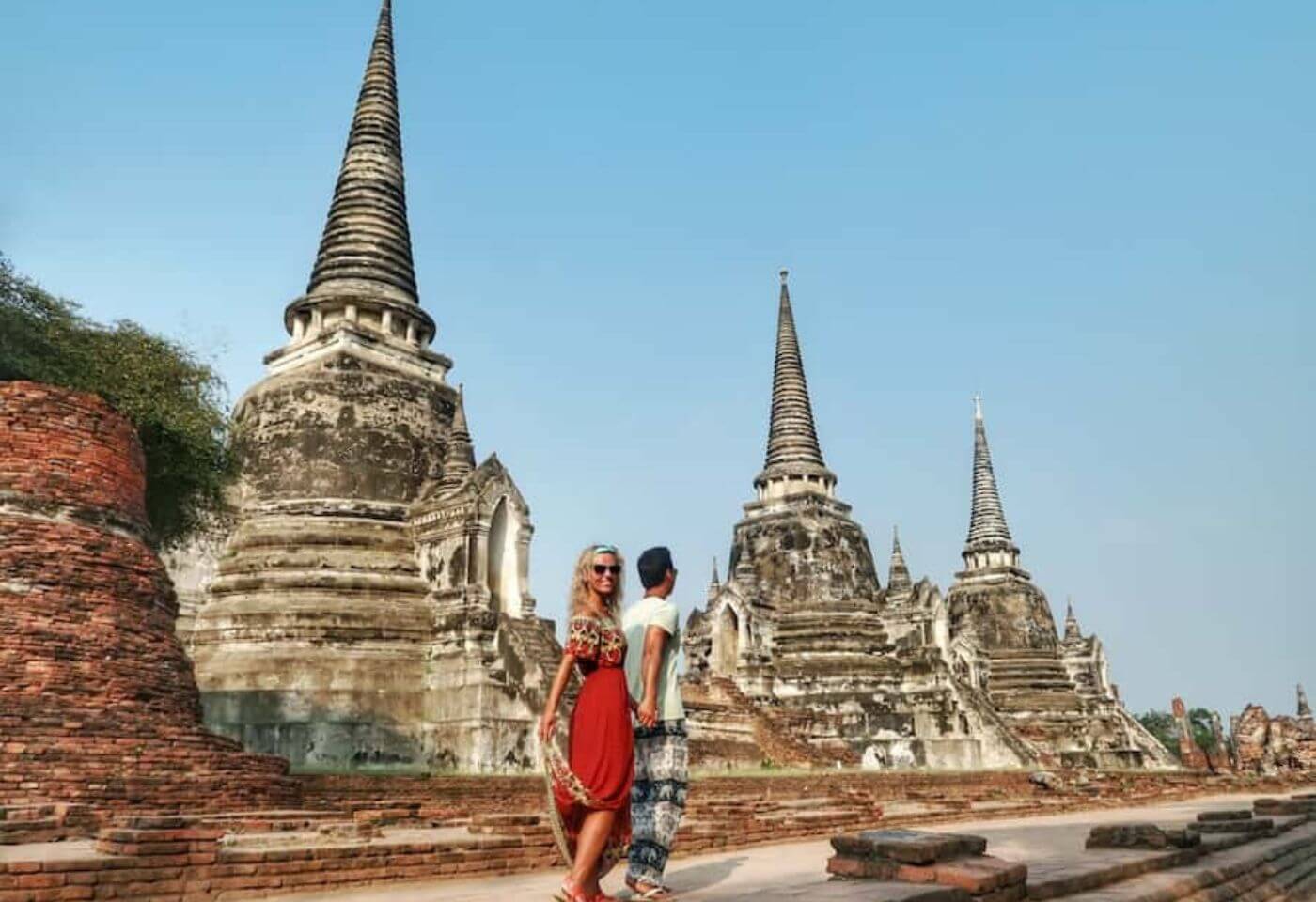
Beyond these monumental structures, you'll likely stumble upon hidden gems, like delicate carvings and serene tucked-away Buddha images where you can pause and reflect. I recommend taking a bicycle tour around the park; it's a gentle and eco-friendly way to cover more ground. You'd also want to check out the Ramkhamhaeng National Museum for a deeper dive into the artifacts and learn about the daily life and customs of the Sukhothai people.
If you're looking for a truly immersive experience, plan your visit during the Loy Krathong festival, usually held in November. During this time, Sukhothai Historical Park comes alive at night with a spectacular light and sound show, traditional performances, and the floating of krathongs (decorated baskets) on the water, a sight so timeless and emotive that it'll linger in your memory for years to come.
| 📌 Address | Phi Phi Islands, Mueang Krabi District, Krabi, Thailand |
| ⏰ Opening Hours | 8:00 AM - 5:00 PM |
| 💸 Entrance Fee | Free |
Sukhothai Historical Park is a UNESCO World Heritage site that contains the ruins of Sukhothai, which was the capital of the Sukhothai Kingdom in the 13th and 14th centuries. It is renowned for its historical significance and impressive ancient architecture.
To get to Sukhothai Historical Park from Phi Phi Islands, you would typically need to take a ferry to the mainland followed by a bus or flight to Sukhothai province, and then a local transport to the historical park.
The best times to visit Sukhothai Historical Park are during the cooler months from November to February when the weather is more comfortable for outdoor exploration.
The main attractions at Sukhothai Historical Park include the Royal Palace and Wat Mahathat, Wat Si Chum with its large seated Buddha image, Wat Saphan Hin, and many other impressive ruins and Buddha statues.
Yes, there is an entrance fee for Sukhothai Historical Park. The fee helps in the maintenance and conservation of the historical site.