+1 617 404 2125
Borobudur Temple




Search


| 📌 Address | RT1/RW4, Jl. Temulawak No.40, Nologaten, Caturtunggal, Depok, Sleman Regency, Special Region of Yogyakarta 55281, Indonesia |
| ⏰ Opening Hours | 8:00 AM - 5:00 PM |
| 💸 Entrance Fee | IDR 150,000 |
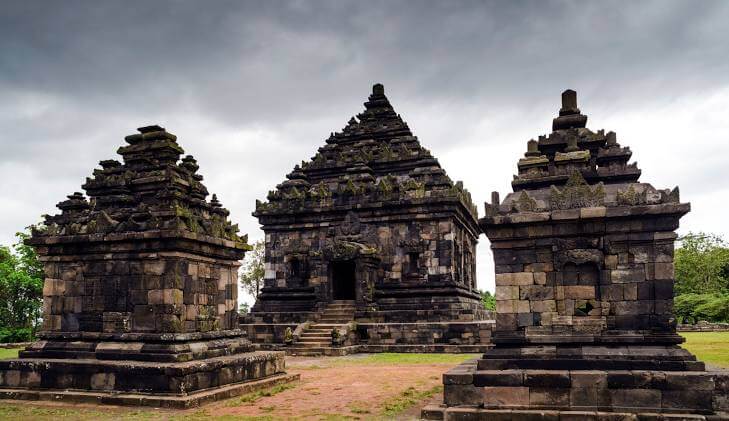
Borobudur Temple is not merely a monument; it's a majestic and intricate piece of art carved from stone, standing as a testament to the ingenuity of ancient engineering. This colossal Buddhist temple, shrouded in the spiritual aura of Yogyakarta, Indonesia, is the single largest Buddhist structure anywhere on the globe. It's composed of thousands of volcanic and river stone blocks, assembled entirely by human hands—a geometric marvel consisting of nine platforms topped by a central dome. Its intricate bas-reliefs tell the story of Siddhartha Gautama, the Buddha, and illustrate the teachings of Buddhism through a visual journey in stone.

The Mount Batur Sunrise 4x4 Jeep Expedition is undoubtedly the adventure of a lifetime - there's no better Bali activities to experience the sunrise like a VIP!...
Imagine a structure so filled with narrative, each relief and statue whispering tales from an era long gone. What might seem at first glance like repetitive patterns soon reveals an encyclopedia of life in 8th- and 9th-century Java, hidden in plain sight. It’s a place where every corner holds a discovery, waiting for those who look closely enough to unearth its secrets.
The tale of Borobudur Temple is steeped in the kind of mystery that often surrounds structures of such antiquity and grandeur. Constructed in the 9th century during the reign of the Sailendra Dynasty, Borobudur is believed to have been a spiritual anchor for Mahayana Buddhists. Interestingly, its origins were forgotten for centuries, with layers of volcanic ash from nearby Mount Merapi and thick jungle growth shrouding it from modern civilization until its rediscovery in the early 19th century.
It was Sir Thomas Stamford Raffles, the British ruler of Java, who brought Borobudur back into the public eye in 1814. Since then, the temple has undergone several restorations, the most comprehensive of which was undertaken by UNESCO and the Indonesian government between 1975 and 1982. This restoration not only saved the temple from inevitable deterioration but also revealed the exquisite craftsmanship that had been hidden for so long.
Wondering why Borobudur Temple holds such an esteemed place, not just in Indonesia but in the worldwide records of historic and cultural sites? The importance of Borobudur is multilayered—much like the temple itself. Symbolically, it represents the path to enlightenment, encapsulating the Buddhist concept of attaining Nirvana. The structure's ascent from the earthly realm of desire, represented by its intricate base reliefs, to the formless world of the void at the temple's peak, mirrors the spiritual journey in Buddhist philosophy.
On a global scale, Borobudur is a masterpiece of human creativity; it's a crucial piece of both cultural and religious history. Its recognition as a UNESCO World Heritage site in 1991 affirms its significance. Pay a visit during the early hours of the morning, and you might find yourself sharing the moment with local monks paying their respects—a scene that grounds the temple's palpable spiritual essence in the modern day.
At Borobudur, every visit promises a new discovery. As you meander through the temple corridors, you are walking the same path Buddhist pilgrims have tread for centuries. Each of the temple's nine stacked platforms offers a closer gaze at the 2,672 relief panels and hundreds of Buddha statues, each with a unique pose and expression. A notable sight is "The Sailendra's narrative," where carvings depict the life of Buddha and the principles of karma and samsara in beautiful detail.
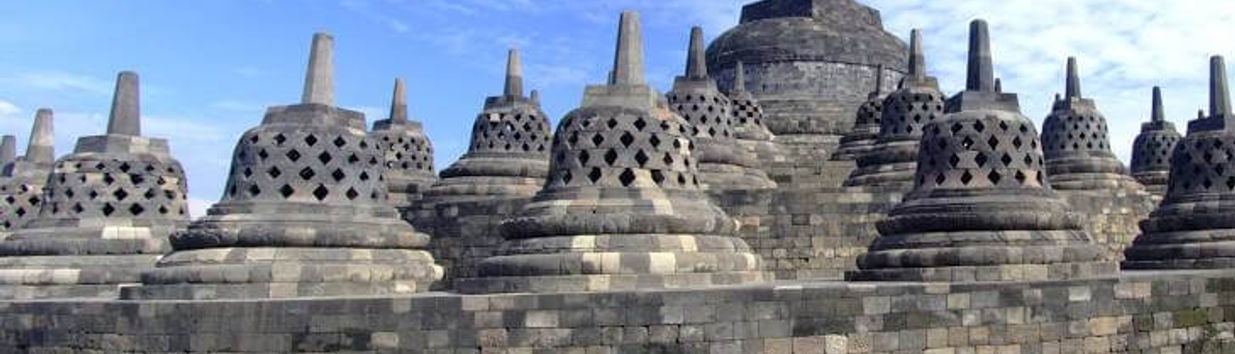
Then there's the ritual of climbing to the temple's apex, which for many visitors becomes a personal journey of reflection. But don't just look inward; look outward and take in the 72 bell-shaped stupas surrounding the central dome, each housing a statue of the Buddha inside, visible through diamond-shaped openings. And for those captivated by the grandeur of sunrise, an early morning visit affords a breathtaking view as the day's first light crests the surrounding hills and volcanoes, a mystical experience in itself. Wanderlust calls; the temple entices—not only to gaze upon its aged stones but to immerse oneself in the echoes of a distant time.
| 📌 Address | RT1/RW4, Jl. Temulawak No.40, Nologaten, Caturtunggal, Depok, Sleman Regency, Special Region of Yogyakarta 55281, Indonesia |
| ⏰ Opening Hours | 8:00 AM - 5:00 PM |
| 💸 Entrance Fee | IDR 150,000 |
Borobudur Temple is a 9th-century Mahayana Buddhist temple in Yogyakarta, Indonesia, and is the world's largest Buddhist temple. It is renowned for its massive structure and intricate carvings depicting various aspects of Buddhist teachings.
You can get to Borobudur Temple from Yogyakarta by bus, car rental, or joining a guided tour. Public buses are available but may take longer due to multiple stops. Private transportation offers a more convenient but costlier option.
The best time to visit Borobudur Temple is early in the morning, just after sunrise, when the weather is cooler and the site is less crowded. Sunset is also a beautiful time to visit, but visitor numbers can be higher.
Yes, Borobudur Temple requires an entry fee. The fee varies for domestic and international visitors, and there may be additional costs for sunrise or sunset tours. It's advisable to check the latest fee structure before visiting.
When visiting Borobudur Temple, it's recommended to wear modest clothing that covers your shoulders and knees, in respect of the sacred site. Comfortable walking shoes are also advisable as there is a lot of walking and steps to climb.