+1 617 404 2125
Museum Sonobudoyo Unit I




Search


| 📌 Address | Jl. Pangurakan No.6, Ngupasan, Kec. Gondomanan, Kota Yogyakarta, Daerah Istimewa Yogyakarta 55122, Indonesia |
| ⏰ Opening Hours | 8:00 AM - 8:00 PM |
| 💸 Entrance Fee | IDR 20,000 |

Sonobudoyo Museum is not just any museum; it's a treasure trove of Javanese culture and history, nestled in the heart of Yogyakarta. This museum is renowned for its extensive collection of artifacts and artworks that span across various areas of Indonesian heritage, but with a particular emphasis on Javanese culture. From wayang puppets to traditional weapons and textiles, Sonobudoyo Museum stands as a testimony to the rich artistic tradition and historical depth of the region.

Our Uluwatu Instagram Tour will leave you breathless! This popular Bali tour introduces you to some of the most beautiful beaches on earth - truly an unforgetta...
As an enthusiast of local lore, I often tell visitors that you haven't truly experienced Yogyakarta until you've walked through the halls of Sonobudoyo—and seen its collections that narrate the grand saga of Java. The museum is not only a cultural institution but also a center for research and education, making it a pilgrimage site for scholars and culture aficionados alike. With its alluring architecture that reflects the local design, the museum itself is a piece of art that deserves just as much attention as the relics it houses.
The story of Sonobudoyo Museum is deeply entwined with the cultural reawakening of Java in the early 20th century. It was founded in November 1935, under the Dutch colonial administration but driven by the earnest efforts of Java's own intellectuals and nobility. The main goal of its establishment was to preserve and showcase the rich Javanese culture and artifacts that were otherwise being taken to other countries or were at risk of deterioration.
Philanthropists and scholars played a significant role in the museum's development. The original collection stemmed from the Java Institute's vast assemblage, which was initially housed in the kraton, or royal palace, of Yogyakarta. It was Sultan Hamengkubuwono VIII who generously provided a space within the palace bounds to store these cultural treasures temporarily. It's a museum that blossomed from the pride and initiative of the Javanese people, very much a product of its community.
What many would find fascinating is the architecture of the museum's main building. It was designed by the Dutch architect Kersten, employing traditional Javanese aesthetics meshed with colonial architectural styles, embodying a physical dialogue between local culture and historical influences. This blend makes the museum itself a historical artifact, presenting the very synthesis of culture it aims to protect and promote.
Sonobudoyo Museum plays a pivotal role in the cultural fabric of Yogyakarta, and Indonesia at large. It's a custodian of the region's ancestral heritage, securing thousands of years of tradition and craftsmanship under one roof. Holding one of the most complete collections of Javanese artifacts, the museum serves as a repository of the island's history, from prehistoric times to the kingdoms that once ruled the land, to its current status within a modern republic.
Furthermore, for locals and visitors, the museum acts as an educational resource, enriching knowledge of Javanese traditions, arts, and history. Through its exhibits, it perpetuates a sense of identity and continuity with the past for a society rapidly advancing into the future. The museum is a lighthouse shining upon the ancient ways, ensuring they are not lost amid contemporary times' waves.
Also significant is its contribution to Indonesian tourism. By offering a peek into the soul of Java, Sonobudoyo Museum draws in those curious about the island's spiritual ethos and artistic legacy. It champions the local wisdom and artisanship, reinforcing the value and uniqueness of Javanese culture in the global context. For me, and many others, this profound local significance can't be stressed enough—it's the heart of Java on display.
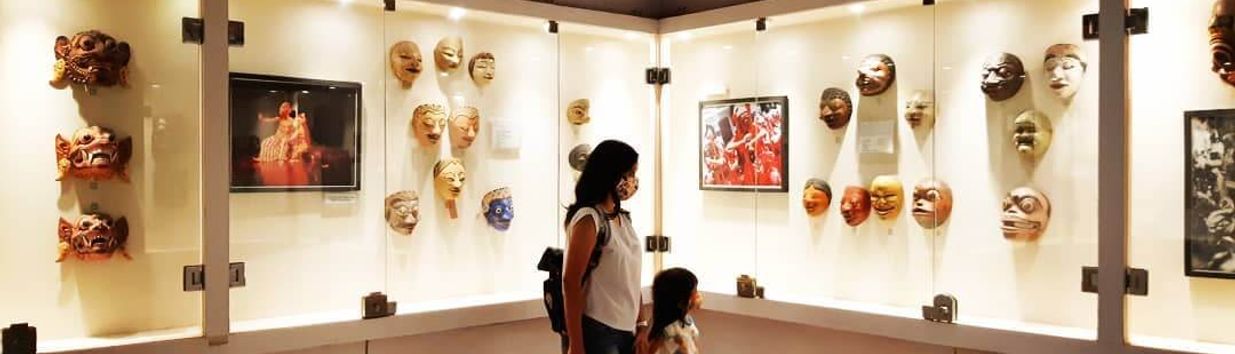
At Sonobudoyo Museum, every room and every corner whisper tales of Javanese grandeur. You can spend hours exploring the exhibits that feature a dazzling array of artifacts, including classical Javanese batik fabric, intricate leather and wooden wayang puppets, keris (traditional Javanese daggers), and gamelan instruments that tell about Java's enchanting musical tradition.
If you're especially keen on experiencing the culture live, the museum provides nighttime wayang kulit performances—an enchanting shadow puppet show that beautifully illustrates Javanese folklore and mythology. It's a compelling display of narrative art that has captivated audiences for centuries. These performances are usually scheduled and are a must-see to immerse oneself entirely in Javanese artistic expression.


Don't miss out on the library within the museum, a resource center that holds an impressive collection of literature on Javanese culture and history. For those interested in the architecture, I always suggest taking a moment just to appreciate the museum building itself. Its facade and structure are emblematic of the cultural synthesis that Yogyakarta represents. Lastly, ensure you take part in the guided tours—they offer invaluable insights that might not be so apparent at first glance. As we locals like to say, to truly understand Java, you must listen to the stories behind the silence of its artifacts.
| 📌 Address | Jl. Pangurakan No.6, Ngupasan, Kec. Gondomanan, Kota Yogyakarta, Daerah Istimewa Yogyakarta 55122, Indonesia |
| ⏰ Opening Hours | 8:00 AM - 8:00 PM |
| 💸 Entrance Fee | IDR 20,000 |
Sonobudoyo Museum is a Javanese culture museum in Yogyakarta, Indonesia, which showcases the history, art, and culture of Java and other regions in Indonesia. It houses a vast collection of cultural artifacts such as wayang puppets, traditional textiles, and ancient inscriptions.
Sonobudoyo Museum is located in the heart of Yogyakarta, near the Kraton, which is the Sultan's palace. It is situated in the central part of the city, making it easily accessible to visitors.
Visitors to Sonobudoyo Museum can explore a diverse collection of artifacts, including traditional Javanese masks, musical instruments, wayang kulit (shadow puppets), ceramics, weaponry, and historical texts. There are also exhibits showcasing the different cultural practices and traditions from various regions across Indonesia.
The entrance fee to Sonobudoyo Museum is relatively affordable, but it can vary depending on the time of your visit and any special exhibitions. It's recommended to check the most current pricing by contacting the museum directly or visiting their official website.
The operating hours of Sonobudoyo Museum are usually from morning to evening, but they may vary on national holidays or due to special events. To ensure the most accurate opening times, it is advised to consult the museum's official website or contact them prior to your visit.