+1 617 404 2125
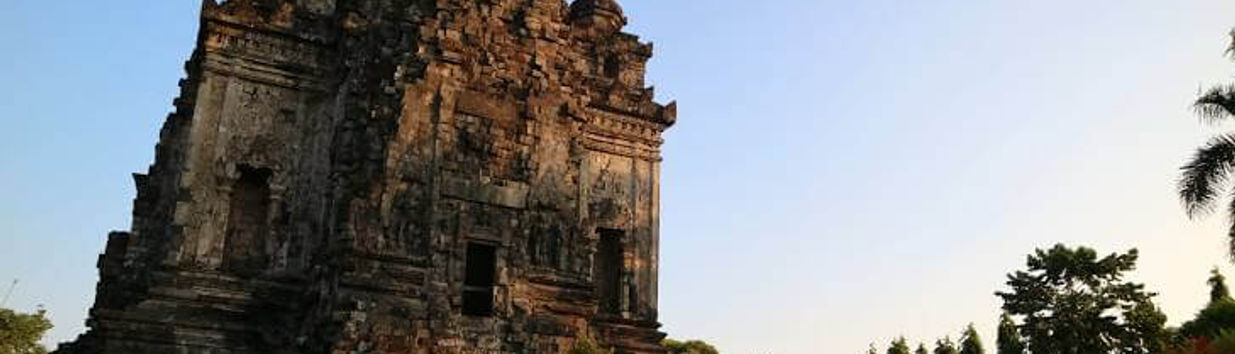
Candi Kalasan




Search


| 📌 Address | Jl. Raya Yogya - Solo, 6FMC+3WW, Suryatmajan, Danurejan, Glondong, Tirtomartani, Kec. Kalasan, Kabupaten Sleman, Daerah Istimewa Yogyakarta, Indonesia |
| ⏰ Opening Hours | 8:00 AM - 5:00 PM |
| 💸 Entrance Fee | IDR 15,000 |

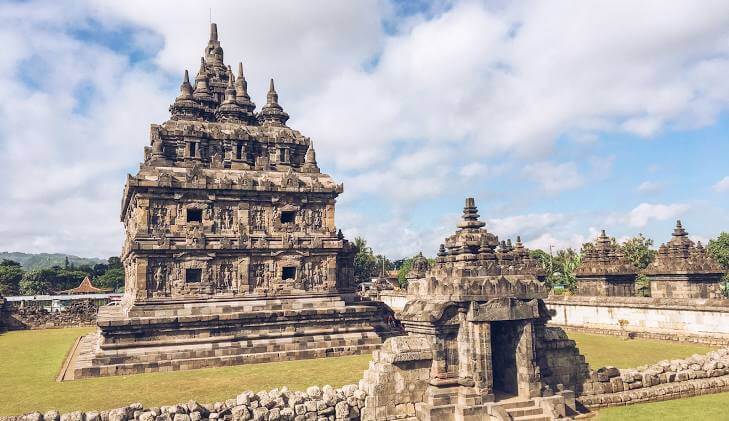
Tucked away in the lush landscape of Yogyakarta, Candi Kalasan, also commonly known as Kalasan Temple, is a remarkable 8th-century Buddhist temple. It is one of Java's oldest Buddhist monuments—a testament to the island's rich spiritual and cultural fusion. Standing proudly on the plain of Kewu, it is not just an architectural marvel; it's a symbol of the historical confluence of Buddhism and Hinduism in the region.
It's easy to see why the Bali Secret Waterfall Tour is one of our best sellers. There's nothing more breathtaking than the waterfalls in Bali and our local guid...
The temple's grandeur is immediately apparent from its intricate reliefs and the serene faces that grace its structures. While it may not be as large as the nearby Prambanan or Borobudur temples, the sheer artistry exhibited in Candi Kalasan's design makes it an essential and cherished part of the local heritage. As you approach, the atmosphere has a palpable sense of antiquity—it feels as if the temple is imbued with the whispers of many centuries past.
The history of Candi Kalasan is deeply woven into the fabric of Javanese culture. The temple was erected in honor of the marriage of a Javanese king to a princess from the Sailendra dynasty, which suggests that the temple holds a unique place in the tale of two of Java's most influential ruling families. Constructed in 778 CE under the auspices of the Sailendra dynasty, it has seen empires rise and fall while remaining steadfast as a witness to the ebb and flow of time.
Candi Kalasan is also closely associated with the nearby Candi Sari, believed to have been an ancient Buddhist monastery. These historical connections paint a vivid picture of a vibrant period in Javanese history, when spirituality and the power of the ruling dynasties were immensely interlinked. Deciphering the temple's ancient inscriptions has allowed historians to glimpse into the societal structures and religious practices of that era.
Candi Kalasan stands as an invaluable historical and spiritual monument, with importance that transcends its physical structure. It is not only a showcase of Javanese artistic and construction skill but also a tangible link to the past that continues to inform the region's identity. Its enduring presence is a testament to the syncretism of Java's religious traditions, where Buddhist and Hindu influences coalesced to birth a unique cultural and spiritual landscape.
Moreover, Candi Kalasan's significance extends to academia, as it serves as a critical resource for scholars studying Southeast Asian history and religion. Each of its stone carvings and architectural nuances are chapters in a long story that scholars continue to decode—each discovery adding to the rich tapestry of knowledge about the Javanese civilization in its prime.
When you visit Candi Kalasan, there's much more than just taking in the sight of an ancient temple. Delve into the detailed reliefs that cover the temple's walls, each telling a story or depicting a teaching from Buddhist scripture. The fine stucco carvings, though weathered by time, still show the evidence of masterful craftsmanship that has endured over the centuries.


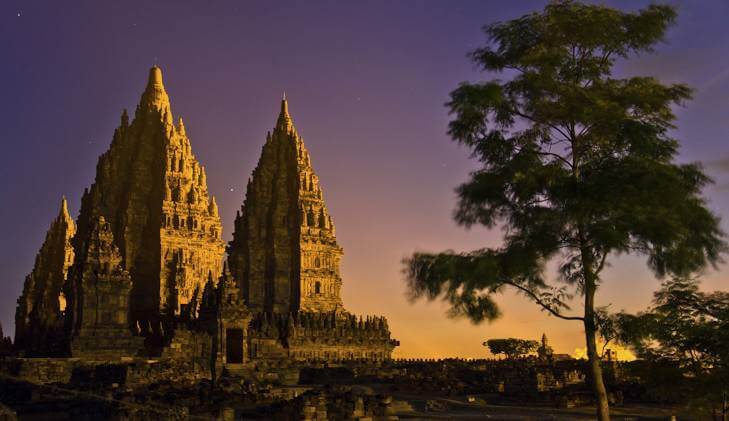
Imagine walking amidst the temple grounds where monks and laypersons once convened, bringing alive the daily rituals and processions that would have filled this sacred space. Photography enthusiasts will find a rich subject in Candi Kalasan, as its silhouette against the backdrop of the Javanese sky makes for a truly majestic frame. And don't miss the opportunity to wander around the nearby rice fields, which offer a pastoral charm and a peaceful retreat from the hustle of modern life.
For those keen on exploring further, Candi Sari is just a stone's throw away—a perfect extension to your journey through ancient Javanese history. While you're in the area, you might also consider visiting the Prambanan Temple complex or even venturing further afield to the magnificent Borobudur Temple, both of which offer distinct yet equally enriching experiences of Java's historical grandeur. Remember, Candi Kalasan isn't just a stop on a tourist trail—it's a passage through time, offering depth and context to the intricate story of this enchanting island.
| 📌 Address | Jl. Raya Yogya - Solo, 6FMC+3WW, Suryatmajan, Danurejan, Glondong, Tirtomartani, Kec. Kalasan, Kabupaten Sleman, Daerah Istimewa Yogyakarta, Indonesia |
| ⏰ Opening Hours | 8:00 AM - 5:00 PM |
| 💸 Entrance Fee | IDR 15,000 |
Candi Kalasan, also known as Candi Kalibening, is an 8th-century Buddhist temple located in Kalasan village, Yogyakarta, Indonesia. It is renowned for its detailed and ornate reliefs and is considered one of the oldest Buddhist temples in the region.
Candi Kalasan is easily accessible from Yogyakarta. Visitors can take a bus or taxi from the city center. The temple is situated along the main road between Yogyakarta and Solo, making it convenient to reach.
Candi Kalasan is typically open to visitors every day, usually from early morning until sunset. However, times can vary, so it is recommended to check with local tourism authorities for the most current information.
Yes, there is usually a small entrance fee for Candi Kalasan. The fee helps with the maintenance and preservation of the site. Fees may vary, so visitors should be prepared with local currency.
When visiting Candi Kalasan, it is advisable to dress modestly and comfortably as it is a religious site. Lightweight clothing is recommended due to the tropical climate, and visitors should consider wearing appropriate footwear for walking on uneven ground.