+1 617 404 2125
Plaosan Temple




Search


| 📌 Address | Jl. Candi Plaosan, Plaosan Lor, Bugisan, Kec. Prambanan, Kabupaten Klaten, Jawa Tengah 57454, Indonesia |
| ⏰ Opening Hours | 7:30 AM - 4:30 PM |
| 💸 Entrance Fee | Varies |

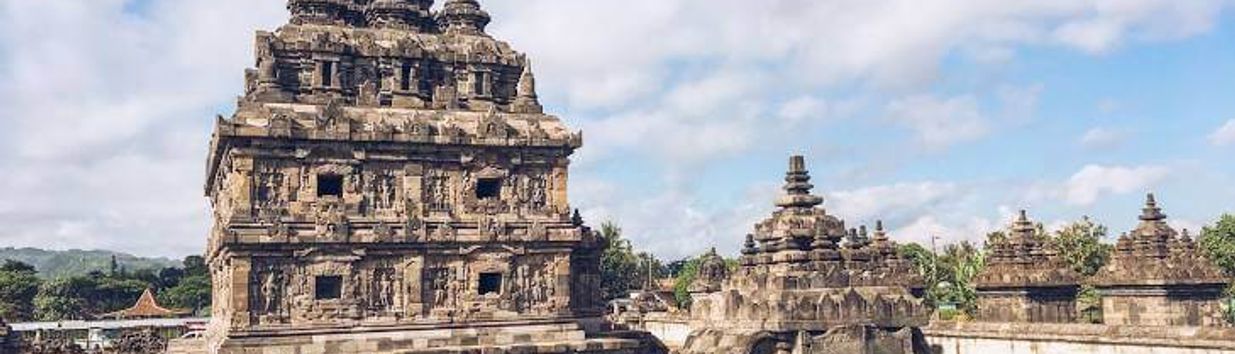
Nestled amidst lush paddy fields and a tranquil rural setting, Plaosan Temple stands as an ancient testament to a time when Java was a melting pot of Hindu and Buddhist beliefs. This temple, located just a bit north of the renowned Prambanan Temple in Yogyakarta, Indonesia, is a captivating complex of Buddhist temples. Not as frequented as some other temples in the area, Plaosan offers a serene atmosphere where one can absorb the grandeur of Javanese temple architecture combined with the intricate details often found in Buddhist art.
Looking for a unique and Instagram-worthy tour in Bali? Look no further than the VIP Flying Dress Photoshoot! You’ll be able to take stunning photos against t...
What many visitors don't realize is that Plaosan Temple isn't just a single structure. It is a compound comprising two main temples adorned with numerous stupas and shrines, accompanied by an array of ancillary ruins that were once part of the temple’s support structures. The intricate carvings and bas-reliefs of divine figures and scenes of daily life of the Javanese people during the 8th century add layers of depth to its already rich history. I often point out to people that if you look closely, you can see the depiction of figures wearing what seems to be Central Asian attire, suggesting the wide range of influence that reached Java even in those early times.
Plaosan Temple has whispers of history carried through the wind that rustles the surrounding rice fields. Constructed in the mid-9th century during the reign of the Sailendra dynasty, this complex is believed to have been built by Rakai Pikatan, a Hindu prince, and his Buddhist queen, Pramodhawardhani. Their interfaith union is seen as a symbol of the tolerance and syncretism that characterized the Javanese society at that time.
Unveiling its layers, you'd find that the temple has undergone various restoration efforts, some of which were conducted as early as the Dutch colonial period. Yet, it managed to remain relatively unscathed over the centuries, perhaps due to its distance from the limelight compared to the iconic Borobudur and Prambanan temples. The true crux of its allure, however, lies in the symbiotic mix of Hindu and Buddhist elements, a unique feature that sets Plaosan apart and whispers tales of a nuanced past.
There's a special kind of silence that envelopes you as you walk through its corridors, a silence that's almost able to hush one into reflection of the ages that have ticked by since the temple's conception. The blend of two faiths isn't just in the architecture and the reliefs, but also in the very stones and soil that make up this historical sanctuary.
Beyond its architectural beauty and historical significance, Plaosan Temple holds a mirror to the social and religious dynamics of 9th century Java. It's a masterful expression of harmony and interfaith unity, showcasing how two major religions could coexist peacefully. This is a narrative that's not only fascinating to historians and archaeologists but also resonates deeply in today's diverse world.
To the Javanese cultural heritage, Plaosan remains an important puzzle piece, helping to comprehend the evolution of religious and cultural practices on the island over time. Its simultaneous representation of Buddhism and Hinduism serves as a testament to the rich tapestry of Javanese culture. The lessons of tolerance and coexistence it symbolizes are as relevant today as they were over a millennium ago.
In the grand scheme of Indonesian tourism, Plaosan Temple offers an alternative experience to the often crowded and bustling mainstream attractions. Its importance also stems from the fact that it provides a tranquil space for visitors to contemplate and appreciate the peaceful cohabitation of differing beliefs, something I always emphasize as one of the greatest teachings from our ancestors.
At Plaosan Temple, the journey begins with soaking in the panoramic views of the Merapi volcano in the distance—a powerful backdrop to the temple's tranquil beauty. One should not miss the main temples, which are called Plaosan Lor (North Plaosan) and Plaosan Kidul (South Plaosan). Each is enriched with detailed stone carvings and beautiful perwara temples surrounding them.
Photography enthusiasts and culture vultures will find the bas-reliefs depicting Buddhist teachings and daily Javanese life under the Sailendra Dynasty particularly meaningful. Exploring the smaller shrines and scattered ruins can feel like an archaeological treasure hunt, where each piece holds a part of a story waiting to be pieced together.
As an additional treat, the temple is flanked by a small, tranquil village where one can interact with the locals and get a firsthand experience of rural Javanese life. Don't miss the opportunity to watch the sun dip below the horizon from the temple grounds—the hues of twilight cast upon the ancient stones create a melancholy magic that's both otherworldly and deeply grounding.
| 📌 Address | Jl. Candi Plaosan, Plaosan Lor, Bugisan, Kec. Prambanan, Kabupaten Klaten, Jawa Tengah 57454, Indonesia |
| ⏰ Opening Hours | 7:30 AM - 4:30 PM |
| 💸 Entrance Fee | Varies |
Plaosan Temple, located in Yogyakarta, Indonesia, is historically significant as it reflects the blend of Hindu and Buddhist cultural influences that existed in Java during the 9th century. It is believed to have been built by Rakai Pikatan of the Mataram Kingdom for his Buddhist wife, Pramodhawardhani.
To get to Plaosan Temple from Yogyakarta, you can hire a taxi, rent a scooter or bicycle, or join a guided tour. It is situated about 20 kilometers to the east of Yogyakarta city center and is accessible via main roads.
Visitors to Plaosan Temple can expect to see a complex of ancient temple buildings featuring intricate carvings, statues of Bodhisattvas, and reliefs depicting various scenes. The twin temples, with their unique combination of Hindu and Buddhist architecture, are the main highlight.
Yes, there is usually a small entrance fee to visit Plaosan Temple. The fee helps with the maintenance and preservation of the historical site. It is recommended to check the latest information or ask locally for the current rates as these can change.
When visiting Plaosan Temple, it is advised to dress respectfully, covering shoulders and knees. Visitors should also walk around the temple structures in a clockwise direction and refrain from touching or climbing on the ancient carvings and structures to preserve the site.