+1 617 404 2125
Candi Lumbung




Search


| 📌 Address | Candi, 7F2V+Q58, Nngangrukbaru, Tlogo, Kec. Prambanan, Kabupaten Sleman, Daerah Istimewa Yogyakarta 57454, Indonesia |
| ⏰ Opening Hours | 8:00 AM - 5:15 PM |
| 💸 Entrance Fee | IDR 30,000 |

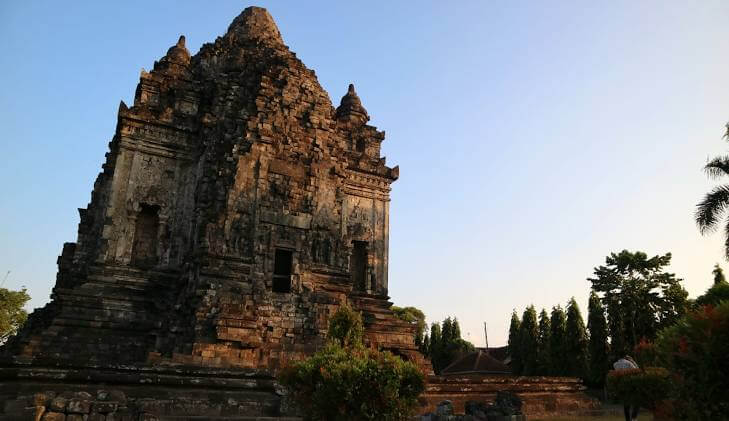
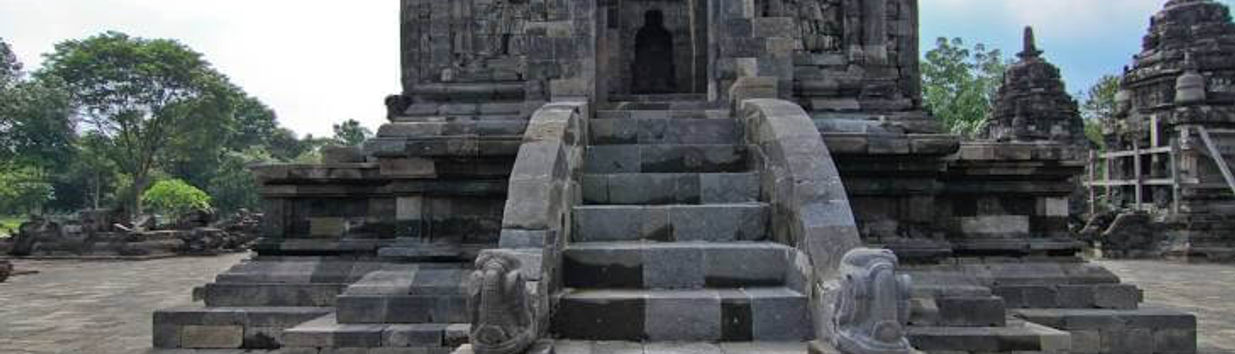
Candi Lumbung is a Buddhist temple situated in the Central Java region of Indonesia, near the culturally rich city of Yogyakarta. Aptly nestled amid lush greenery, this ancient structure is part of the Prambanan Temple Compounds, which is a UNESCO World Heritage site. Remarkable for its unique architectural design and detailed relief panels, Candi Lumbung holds a special place in the hearts of locals and the myriad of tourists who visit each year.

The Bali Jungle Rush Tour combines action-packed activities to create an adventure for thrill seekers to remember! You won't regret daring to take part in our o...
Candi Lumbung's name, which can be loosely translated to 'rice barn temple,' hails from its storied resemblance to traditional Javanese rice barns, a nod to the vital role of agriculture in the historical and current livelihoods of the region. It's often considered a hidden gem, overshadowed by the more famous Candi Prambanan and Candi Borobudur nearby, yet it carries its own tranquil charm and fascinating narrative waiting to be explored intimately.
The history of Candi Lumbung is intertwined with the ebb and flow of Central Java's religious and political landscapes. Constructed around the 9th century during the Mataram Kingdom's reign, it was an era of profound Buddhist and Hindu influence in the region. The temple has weathered centuries of natural elements, including the catastrophic eruption of Mount Merapi in 1006 AD, which buried it under volcanic ash. This disaster was pivotal in the migration of the kingdom's center from Central Java to East Java.
Rediscovered along with the greater Prambanan compound in the 1930s, restoration efforts in Candi Lumbung commenced soon after and further in the 1970s, following the principles of anastylosis where original stones and materials are used to reconstruct the edifice as authentically as possible. These restorations have allowed insight into the intricacies of Javanese Buddhist architecture, which is demonstrated in the temple's unique design and the narratives captured within its reliefs.
Candi Lumbung is important not only for its archaeological and historical significance but also for its cultural and educational value. This temple stands as a testament to the Mataram Kingdom’s artistry and the religious harmony that once flourished in Java, when Hinduism and Buddhism existed side by side. It provides an enlightening glimpse into the spirituality and daily lives of ancient Javanese society through the silent stories etched into its walls.
Being part of the larger Prambanan Temple Compounds, Candi Lumbung contributes to the overall understanding of Central Java’s past kingdoms. For contemporary Javanese and Indonesians, the temple is a symbol of their enduring heritage. For international visitors, it serves as a window into a world that once was, enriching their knowledge of Southeast Asian history and art.
Venturing into Candi Lumbung, visitors are greeted with a harmonious fusion of nature and ancient artistry. Walking among the temple's ruins, you can observe the fine bas-relief panels that chronicle various Buddhist teachings and Jataka tales – stories about the previous lives of the Buddha. These reliefs are not merely decorative; they are spiritual textbooks carved in stone, revealing a deep philosophy and moral lessons that are still relevant today.
Exploring the temple’s surroundings, one can indulge in a serene atmosphere quite different from the more crowded nearby temples. It's the perfect spot for contemplation or simply soaking up the mystical ambience. Additionally, the panoramic rural views that fringe the temple complex showcase the timeless beauty of the Central Java landscape – an irresistible allure for photographers and nature lovers alike.
Furthermore, there are opportunities to participate in local guided tours that delve into the lesser-known aspects of Candi Lumbung's history. These often highlight the temple's construction techniques, its astronomical alignments, and connections to the other temples within the Prambanan complex. For a truly immersive experience, it’s recommended to visit during the early morning or late afternoon when the sun casts a golden hue over the ancient stones, and crowds are thinner, offering a more personal connect with this historic sanctuary.



| 📌 Address | Candi, 7F2V+Q58, Nngangrukbaru, Tlogo, Kec. Prambanan, Kabupaten Sleman, Daerah Istimewa Yogyakarta 57454, Indonesia |
| ⏰ Opening Hours | 8:00 AM - 5:15 PM |
| 💸 Entrance Fee | IDR 30,000 |
Candi Lumbung is an ancient Buddhist temple located in the Prambanan Plain area, near Yogyakarta, Indonesia. It is part of the Prambanan Temple Compounds and is known for its unique architectural design and historical significance.
Candi Lumbung dates back to the 9th century during the Sailendra Dynasty's rule, making it over a thousand years old.
The main features of Candi Lumbung include the central temple surrounded by multiple smaller temples called 'perwara' in a mandala layout, intricate relief carvings depicting Buddhist teachings, and the presence of a distinctive top that makes it stand out among other temples in the area.
The best time to visit Candi Lumbung is during the dry season from April to October. The weather is generally sunny, which is ideal for exploring the temple complex and taking photographs.
Yes, there is an entrance fee to visit Candi Lumbung. The fee is usually included in the Prambanan Temple Compounds ticket as it's in the same area. Visitors should check the latest information for updated prices and possible discounts for students or groups.