+1 617 404 2125
Candi Plaosan




Search


| 📌 Address | Jl. Candi Plaosan, Plaosan Lor, Bugisan, Kec. Prambanan, Kabupaten Klaten, Jawa Tengah 57454, Indonesia |
| ⏰ Opening Hours | 7:30 AM - 4:30 PM |
| 💸 Entrance Fee | IDR 50,000 |

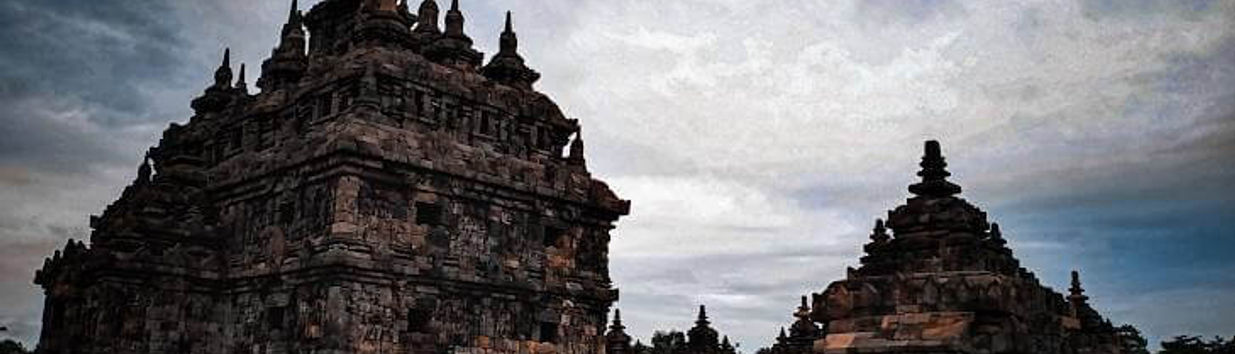
Candi Plaosan, sometimes referred to as Plaosan Temple, is a spellbinding complex of Buddhist temples situated in the Klaten Regency, just a bit to the east of historical Yogyakarta in Central Java, Indonesia. Nestled among lush green rice fields, it boasts a serene atmosphere and a breathtaking backdrop of Mount Merapi. The complex consists of two main groups of buildings referred to as the Plaosan Lor and the Plaosan Kidul, displaying an exquisite mix of Hindu and Buddhist architectural elements.
Our Mount Ijen Electric Blue Fire Tour is like nothing you've ever experienced, it absolutely has to be on your Bali bucket list! This is an all-inclusive 2-day...
These magnificent structures house an array of intricate carvings and statues, many of which remain well preserved despite the centuries that have passed. Plaosan Temple is known for its remarkable level of detail, especially in the small-scale replicas of temples and numerous Dvarapala (guardian) statues. It may not be as widely recognized as Borobudur or Prambanan, but for those who find it, Plaosan offers a deeply spiritual and visually stunning experience.
The construction of Candi Plaosan is believed to have occurred during the reign of the Mataram Kingdom, around the mid-9th century, under the auspices of King Rakai Pikatan and his wife, Pramudyawardhani. The intermingling of Hindu and Buddhist elements is attributed to the harmonious religious relationship between the king, who was Hindu, and the queen, who was a devout Buddhist. This intertwining of faiths is reflected throughout the temple’s designs and iconography.
Candi Plaosan has seen restoration in recent years, as it had been long affected by the volcanic eruptions of Mount Merapi and the tropical climate, which led to deterioration. Part of its allure now lies in the respectful restoration efforts that have revitalized the temple while maintaining its historical integrity. The stories held within its walls and the artifacts unearthed here shed light on Java's eclectic religious history and the cultural blend that characterizes this period.
When you step into Plaosan Temple, you are not merely visiting a historical site; you're entering a place where history, art, and spirituality converge. It’s a symbol of religious tolerance, given its construction that harmoniously blends Hindu and Buddhist ideologies, something that was rather progressive for its time and remains a poignant message even today.
For scholars and enthusiasts of Javanese culture and architecture, Plaosan Temple serves as a crucial link to understanding the social and religious dynamics of 9th-century Java. Its detailed carvings and bas-reliefs inform us about the attire, customs, and interactions between people of that era. This temple is not only important for the local community as a reminder of their cultural heritage but also for international visitors, who gain insight into Indonesia's rich past.
The temple grounds of Plaosan offer a treasure trove of activities for visitors. You can admire the intricate carvings on the temple's walls that depict various scenes and figures, or contemplate the numerous Buddha and Bodhisattva statues that adorn the complex. Each carving and statue tells its own story, and if you're fortunate, you might come across a local expert who can regale you with tales that bring these stone figures to life.
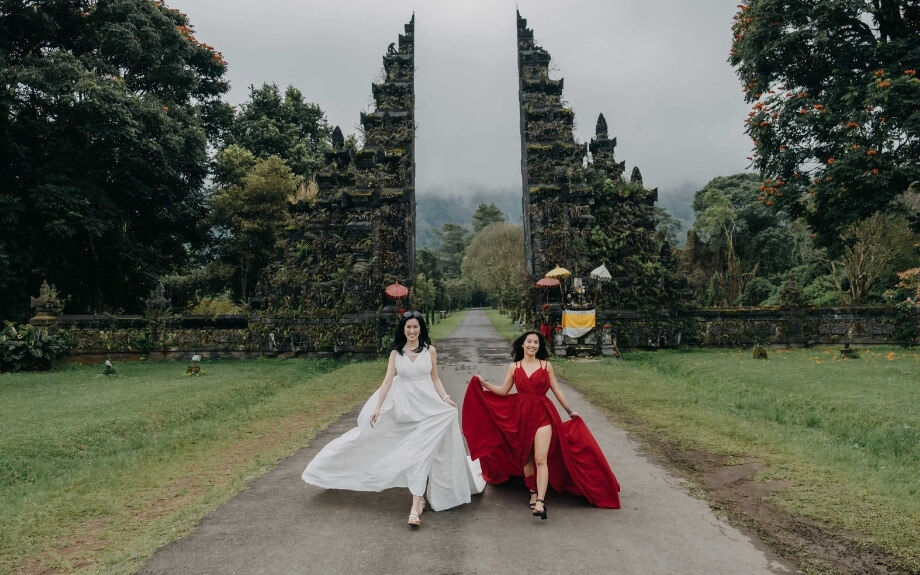
For the more photographically inclined, Plaosan Temple is a haven for capturing the beauty of Javanese architecture against the stunning natural scenery. The best time for photos is either sunrise or sunset when the soft lighting adds a mystical aura to the site. If you're up for a bit of adventure and exploration, the smaller, less frequented temples in the vicinity offer a quiet retreat and the chance to have parts of the temple complex all to yourself.
Moreover, there are cultural events and local markets that occasionally set up near the temple, offering traditional Javanese food and handicrafts. It’s an opportunity not just to see the temple, but to engage with the community and its craftspeople, to taste the local cuisine, and to maybe even bring back a unique memento from your visit. For those seeking a more reflective experience, simply sitting and soaking in the atmosphere of this ancient site can be quite meditative.
| 📌 Address | Jl. Candi Plaosan, Plaosan Lor, Bugisan, Kec. Prambanan, Kabupaten Klaten, Jawa Tengah 57454, Indonesia |
| ⏰ Opening Hours | 7:30 AM - 4:30 PM |
| 💸 Entrance Fee | IDR 50,000 |
Candi Plaosan is a complex of Buddhist temples located in Yogyakarta, Indonesia. It consists of two main temples and numerous smaller shrines, adorned with intricate stone carvings and statues, representing a fusion of Hindu and Buddhist architectural styles.
Candi Plaosan dates back to the 9th century, during the era of the Mataram Kingdom. It is believed to have been built by the King Rakai Pikatan as a symbol of his love for his Buddhist queen, Pramodhawardhani.
Visitors to Candi Plaosan can explore the temple complex's array of stupas, statues, and bas-reliefs. The temples feature detailed stone carvings depicting Buddhist teachings, while the surrounding grounds offer a serene atmosphere for understanding Java's historical Buddhist influences.
While Candi Plaosan does not host regular festivals, it may be a site of local Buddhist ceremonies and occasionally cultural events which pay homage to the site's religious and historical significance. Visitors should check local resources for any events during their time of visit.
The visiting hours for Candi Plaosan are generally from sunrise to sunset. There may be a small entrance fee for visitors, which contributes to the maintenance of the temple complex. It's best to check the latest information before visiting as times and fees can change.