+1 617 404 2125
Malioboro Street




Search



| 📌 Address | Jl. Malioboro, Sosromenduran, Gedong Tengen, Kota Yogyakarta, Daerah Istimewa Yogyakarta, Indonesia |
| ⏰ Opening Hours | 8:00 AM - 5:00 PM |
| 💸 Entrance Fee | Free |

Malioboro Street is the pulsing heart of Yogyakarta, a bustling hive of activity that never truly sleeps. Known to the locals as Jalan Malioboro, this iconic street stretches from the Yogyakarta Monument to the northern gates of the majestic palace of the Sultan, also known as the Kraton. A place where tradition meets modernity, Malioboro is enveloped by an irresistible charm that captivates those who amble along its vibrant sidewalks.

Our Nusa Penida Private Boat Snorkeling Tour is one of our newest and most anticipated tours in Bali! On this tour in Bali, you'll get to island hop on a privat...
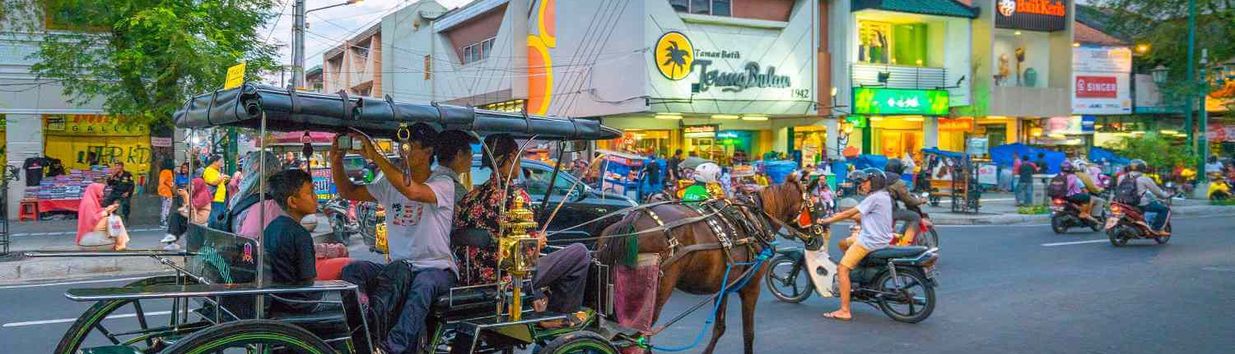
The street is lined with an eclectic mix of hotels, restaurants, and stores. From vendors peddling traditional batik clothing to contemporary art galleries, Malioboro embraces both the old and the new – a place where hawkers selling local snacks share space with souvenir shops and chic boutiques. It's the perfect spot to get a feel for the local way of life and to absorb the cultural richness of this historic city.
The origins of Malioboro Street are deeply entwined with the founding of Yogyakarta itself. In the 18th century, when the Sultan's palace was established, Malioboro was designed to be a grand axis, lending a physical and spiritual connection between the Mount Merapi, the Kraton, and the Indian Ocean, which is revered as the resting place of the Queen of the Southern Sea. This alignment holds tremendous cultural and cosmic significance in Javanese philosophy.
Over the years, Malioboro has witnessed the unfolding of history. From serving as a commercial hub during Dutch colonization to becoming the center of Indonesian independence movements, the street has seen it all. It's where traditions have been preserved through generations and where contemporary culture and politics have shaped the city's identity.
There's a saying among us that to visit Yogyakarta and not experience Malioboro Street is like having never been to the city at all. Its importance transcends tourism; Malioboro is a historical, cultural, and social barometer of Yogyakarta. This street is not just a marketplace; it is a canvas that portrays the city's soul, reflecting the dynamics of its people and their way of life.
Malioboro is important due to its role as a melting pot where all layers of society converge. You'll find artists, students, entrepreneurs, and even royalty mingling among the crowds. The street's social significance is also anchored in its function as a platform for grassroots and political expression, often playing host to demonstrations and performances that reflect the concerns and aspirations of the populace.
Walking down Malioboro Street, you'll find a treasure trove of experiences waiting to be discovered. Starting with shopping, the street offers an array of local crafts, particularly the intricate batik patterns that Yogyakarta is renowned for. Don't miss the chance to observe skilled artisans at work or take a batik workshop to create your own piece of wearable art.
For those who wish to taste the local cuisine, roadside food stalls, known locally as lesehan, offer traditional dishes such as gudeg, a savory jackfruit stew. After sunset, the street transforms as vendors spread mats on the sidewalk, inviting you to dine under the stars. Malioboro is also flanked by historic sites like the Vredeburg Fort, a silent witness to the city's colonial past that now serves as a museum with interesting exhibits.



To truly drink in the atmosphere, a ride in an andong, a traditional horse-drawn carriage, is a must. As you trot along, let the details of the colonial-style buildings seep in, or catch a street performance that spontaneously springs up. Malioboro Street also hosts a variety of events throughout the year, including art installations and cultural parades. Engaging with the local vendors, watching the evening unfold, and soaking in the sights and sounds of Malioboro is to engage with the living history and vibrant culture of Yogyakarta.
| 📌 Address | Jl. Malioboro, Sosromenduran, Gedong Tengen, Kota Yogyakarta, Daerah Istimewa Yogyakarta, Indonesia |
| ⏰ Opening Hours | 8:00 AM - 5:00 PM |
| 💸 Entrance Fee | Free |
Malioboro Street is a vibrant and bustling shopping street in the heart of Yogyakarta, Indonesia. It's famous for its street vendors, local crafts, batik clothing, and souvenirs. The street is also a cultural hub, often lined with street performers and traditional food carts.
The best times to visit Malioboro Street are in the early morning or late afternoon to avoid the midday heat. It's also lively in the evening when the street lights up with street food vendors and a more festive atmosphere.
Yes, Malioboro Street is close to several historical sites, including the Kraton Yogyakarta (the Sultan's Palace), Taman Sari Water Castle, and the Fort Vredeburg Museum. These sites offer a glimpse into the rich cultural history of Yogyakarta.
Bargaining is common practice on Malioboro Street. Vendors often start with higher prices, especially for tourists, so it is expected that you will haggle to get a fair price on goods.
Absolutely, there are many local delicacies to try on Malioboro Street, such as Gudeg (a traditional Javanese dish made from young jackfruit), Bakpia (sweet filled pastries), and different varieties of satay. Don't miss trying out the street food for an authentic taste of Javanese cuisine.