+1 617 404 2125
Geragama Tea Factory




Search



| 📌 Address | 7GFW+92H, Geragama Estate Rd, Pilimathalawa, Sri Lanka |
| ⏰ Opening Hours | 8:00 AM - 6:00 PM |
| 💸 Entrance Fee | Free |

Giragama Tea Plantation is one of Sri Lanka's most revered sites when it comes to tea production. Nestled in the rolling hills near Kandy, it's a picturesque embodiment of Sri Lanka's long-standing tea culture. Here, lush green tea bushes stretch out as far as the eye can see, punctuated by the occasional flash of color from the saris of the tea pluckers as they work. This isn't just a plantation; it's a functional piece of history where visitors can immerse themselves in the art and science of tea making.

Step back in time on our Private Polonnaruwa Ancient City & Elephant Safari Tour! Explore one of Sri Lanka’s best-preserved UNESCO ancient cities, then enjoy ...
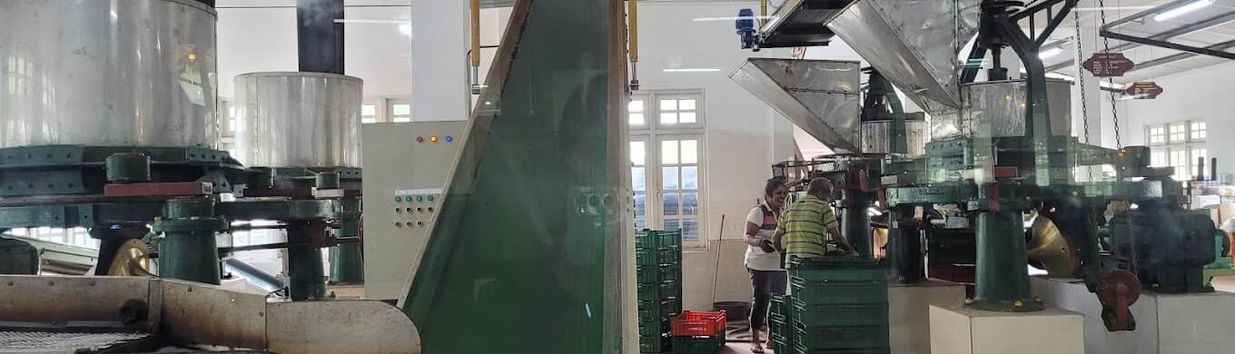
You might think of tea as just a beverage, but at Giragama, it's an entire experience. The estate has its own factories where the leaves are processed, which exemplify the marriage of traditional techniques and modern innovation. The aromas, the sights, and the sounds here—they all tell a story. And believe me, sipping on freshly brewed tea while overlooking the estate that produced it is something quite unforgettable.
The history of Giragama Tea Plantation is intertwined with the colonial past of Sri Lanka, then known as Ceylon. Tea first arrived on the island in the 19th century; it was brought here by the British as a potential crop to replace the coffee plantations devastated by disease. The plantation itself is part of this narrative, having been established during the British era, and is a living testament to the transformation of the Sri Lankan economy from coffee to tea, which would go on to become one of the country's most significant exports.
Throughout the years, Giragama Tea Plantation has played its part in the evolution of Sri Lankan tea, which is renowned worldwide for its quality. The estate has seen the industry's ebbs and flows, from colonial times through to Sri Lanka's independence, and into the modern day. It has maintained a reputation for excellence, adapting its methods over time while still preserving the traditional aspects that give Ceylon tea its unique character.
Giragama Tea Plantation is important for several reasons, not least its contribution to Sri Lanka's economy and identity. It’s a sterling example of Ceylon tea at its best—a symbol of quality that competes on the world stage. The plantation also plays a crucial role in preserving the cultural and historical heritage of tea production in Sri Lanka. It stands as a reminder of the colonial era's influence on the country and how Sri Lanka embraced tea as a symbol of national pride.
Moreover, Giragama remains actively involved in sustainable farming practices, ensuring that the art of tea cultivation can continue for generations without harming the environment. The importance of this commitment can't be overstated; it’s about preserving both a way of life and the land itself. Additionally, Giragama contributes to the local economy by providing employment and supporting social structures within the community.
Visiting Giragama Tea Plantation isn't just a stopover; it’s an opportunity to engage with a crucial piece of Sri Lankan culture. One of the most enriching experiences is a guided tour through the tea fields—getting up close with the plants and learning about the meticulous process of tea plucking, often from the workers themselves. These tours usually include a visit to the factory where one can witness the transformation of the picked leaves into the fine teas that grace cups worldwide.
There's also the chance to participate in a tea tasting, discovering the subtle differences between varieties produced right here on the estate. Some of the flavors and aromas are incredibly delicate and nuanced, and learning to detect them is quite an education. Have you ever truly experienced the various notes in a cup of tea? Here, you’ll develop an entirely new appreciation.

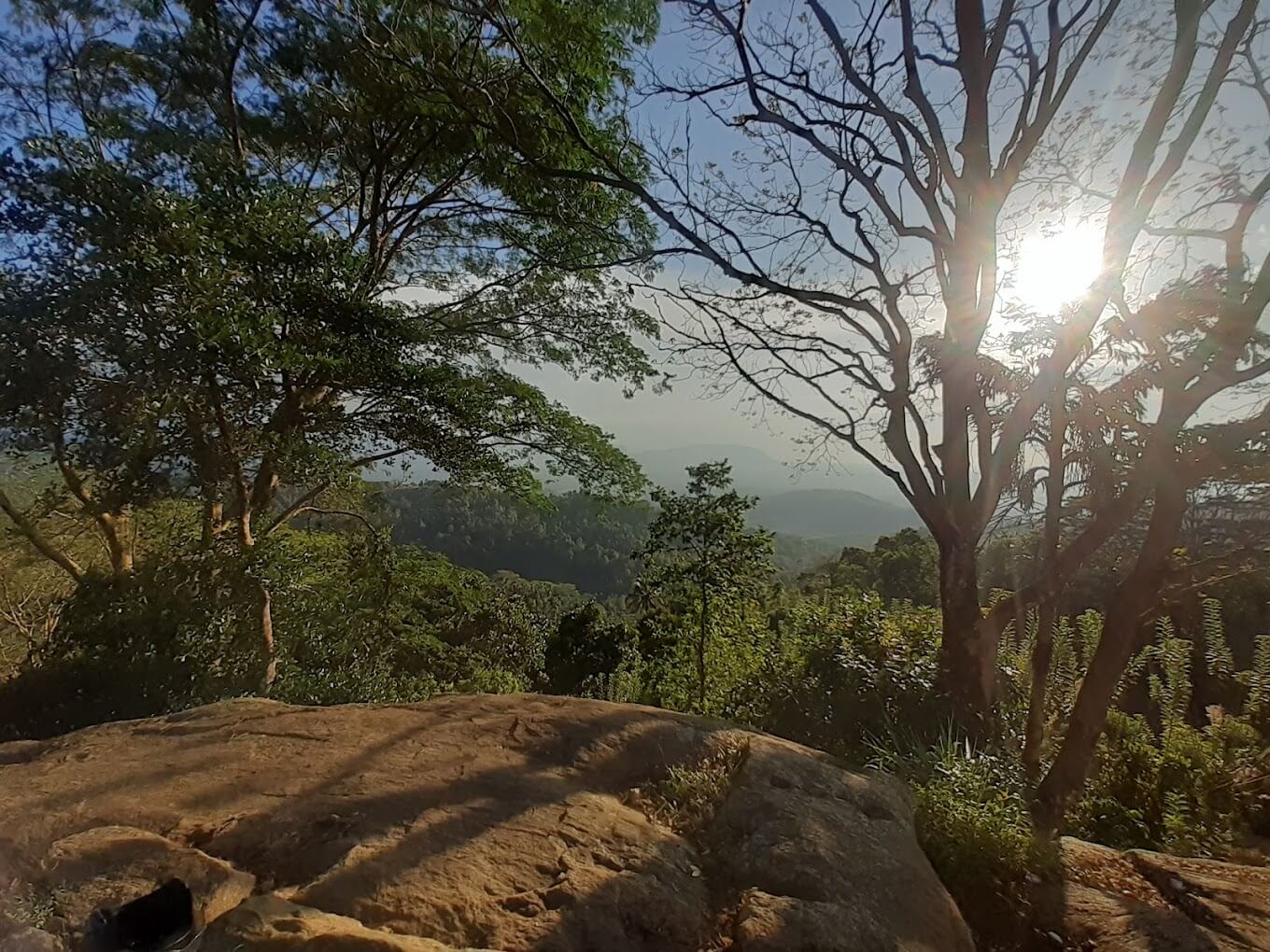
Beyond the tea-related activities, the plantation provides stunning views for photography enthusiasts and a tranquil atmosphere for those seeking to escape the hustle and bustle of Kandy's city life. The climate is typically cooler and refreshing, making it ideal for leisurely strolls and relaxation. Some visitors even enjoy a picnic amidst the verdant surroundings, taking in the vistas while enjoying local snacks.
Lastly, Giragama Tea Plantation has a little shop where visitors can purchase some of the tea produced on-site. This isn't your typical souvenir; it's the taste of Sri Lanka's highlands, ready to be taken home and shared. Imagine the stories you’ll tell, steeped in the flavors of this beautiful island, with every cup serving as a reminder of your journey to Giragama.
| 📌 Address | 7GFW+92H, Geragama Estate Rd, Pilimathalawa, Sri Lanka |
| ⏰ Opening Hours | 8:00 AM - 6:00 PM |
| 💸 Entrance Fee | Free |
The Giragama Tea Plantation is one of Sri Lanka's oldest tea plantations, offering visitors insight into the tea-making process and the chance to see lush tea fields near Kandy.
Visitors can book a guided tour which typically includes a walk through the tea fields, a factory visit to see the tea processing and the opportunity to sample or purchase tea.
The best time to visit is during the mornings when the plantation is most active, although the plantation is open for visitors throughout the day.
Usually, there is no entrance fee to visit the Giragama Tea Plantation, but some guided tours may charge a fee that includes tasting and sometimes a souvenir.
The plantation is located about a 30-minute drive from Kandy. Visitors can take a taxi or a local bus that goes in the direction of Colombo and get off at Giragama.