+1 617 404 2125
Gili Lawalaut




Search


| 📌 Address | Gili Lawalaut, Komodo, West Manggarai Regency, East Nusa Tenggara, Indonesia |
| ⏰ Opening Hours | 8:00 AM - 5:00 PM |
| 💸 Entrance Fee | Free |

Gili Lawa Laut is an idyllic island gem that's part of the Komodo National Park in Indonesia, known for its breathtaking scenic beauty and marine diversity. Its location, at the northern tip of Komodo Island, makes it a premier spot for both adventurers and those seeking tranquility. With stunning hilltop views and sunsets that are truly mesmerizing, Gili Lawa Laut offers a remote island experience that captivates sailors, snorkelers, and divers from around the world.
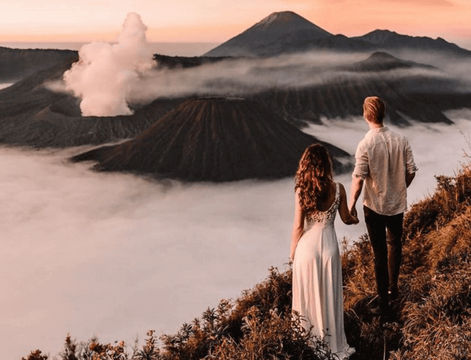
If you're feeling active and would like to experience Bali from higher heights, jump on board our Volcano Adventure: A Trek to Mount Ijen & Mount Bromo tour. Th...
The island presents an arid, savannah-like terrain that contrasts sharply with the rich blues of the surrounding sea. Despite its relatively small size, Gili Lawa Laut is a treasured destination for its unspoiled natural charm and the feeling of seclusion it provides.
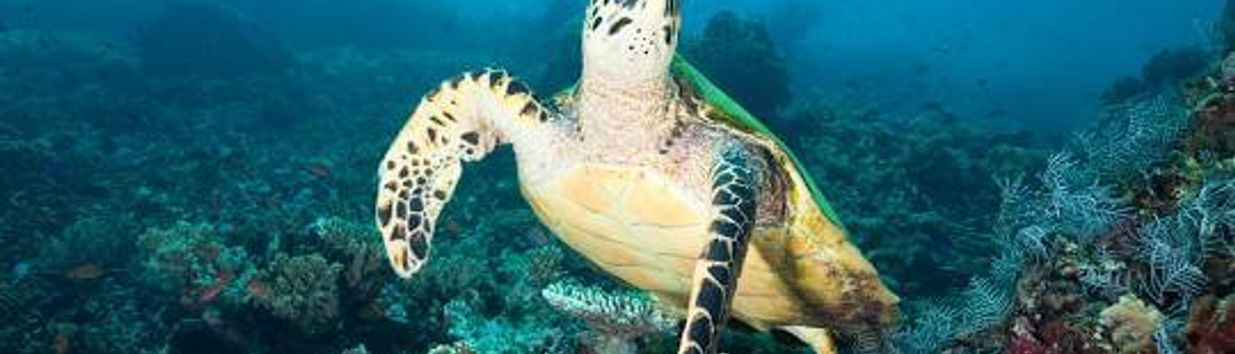
As an archipelago, the surrounding waters of Gili Lawa Laut boast some of the most vibrant underwater ecosystems on the planet. It's a part of the Coral Triangle, which supports an astounding array of marine life, including manta rays, sharks, and countless species of fish and coral.
The history of Gili Lawa Laut is deeply intertwined with the broader narrative of the Komodo National Park, which was established in 1980 to protect the Komodo dragon, the world's largest living species of lizard. This area has been largely untouched by human activities for centuries, preserving its pristine condition and allowing its ecosystems to flourish.
Originally, the park focused on terrestrial ecosystems but later expanded to include marine areas as well to secure the biodiversity of the coral reefs and marine life. With time, Gili Lawa Laut has become a favorite spot for photographers, naturalists, and conservationists who aspire to preserve its untouched beauty.
While the island doesn't have residents, local fishermen and park rangers have been the temporary custodians of this natural paradise. Their presence has been essential in maintaining the balance between welcoming visitors and protecting the delicate environment.
Gili Lawa Laut holds incredible ecological significance due to its location in the Coral Triangle, which is often referred to as the "Amazon of the seas." Its waters are home to more than 1,000 species of fish and hundreds of coral species, making it one of the richest marine biodiversity hotspots in the world.
This extraordinary biodiversity is not just important for marine biologists and nature lovers but also for the health of our planet's oceans. As a protected part of Komodo National Park, Gili Lawa Laut plays a critical role in the conservation efforts for both terrestrial and marine life, including the preservation of coral reefs that are vital to marine ecology.
In addition to its environmental importance, Gili Lawa Laut is a cultural beacon. Its seclusion and natural wonders have attracted international travelers, helping to spotlight Indonesian archipelago tourism and involve local communities in hospitality and conservation awareness. By visiting, you contribute to the local economy and foster sustainable tourism practices crucial for the region’s future.
There’s an array of compelling activities on Gili Lawa Laut tailored to cater to nature enthusiasts and those seeking an adventure off the beaten path. Taking a hike to the hilltops is one of the must-do activities. The trek may be demanding under the tropical sun, but the panoramic view of the Flores Sea at the summit is an unmatched reward.
Diving and snorkeling are undoubtedly the highlights here, with sites like Crystal Rock and Castle Rock drawing divers seeking encounters with schools of jackfish, sharks, and the majestic gliding manta rays.
Night diving is another enchanting experience, unveiling a different side of the island’s underwater life. Bioluminescent plankton often lights up the water, creating a magical atmosphere beneath the stars.

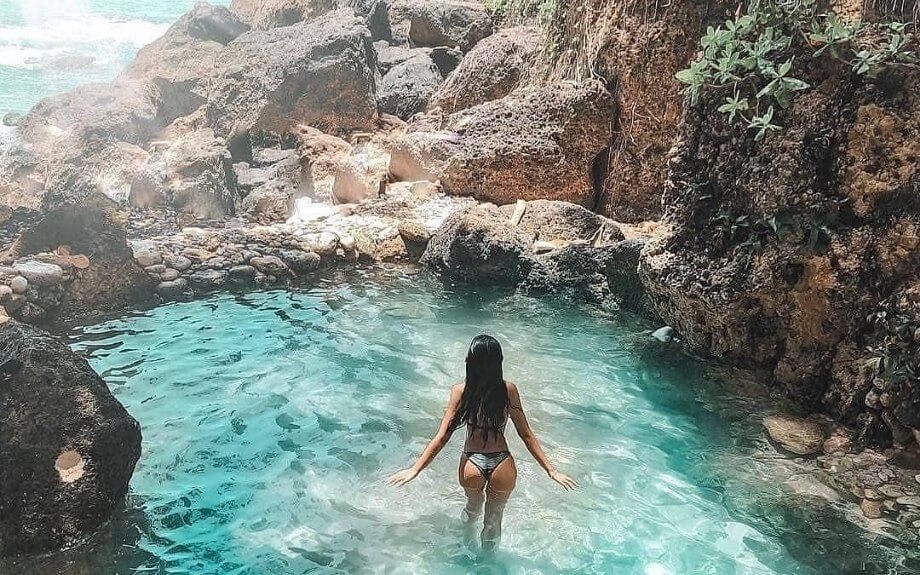
The island also offers superb spots for kayaking and paddleboarding, allowing visitors to glide over crystal clear waters. For photographers, both amateur and professional, the island provides endless opportunities to capture the stunning landscapes, captivating sunsets, and the vibrant marine life.
While there aren't any permanent facilities on Gili Lawa Laut, visiting yachts and liveaboard boats often provide the necessary amenities for day-trippers or those looking to stay overnight in this natural paradise.
Remember, while the allure of Gili Lawa Laut is undeniable, it should be approached with respect for its natural environment. Always practice responsible tourism to help ensure that this island sanctuary remains as pristine as you found it for future generations to discover.
| 📌 Address | Gili Lawalaut, Komodo, West Manggarai Regency, East Nusa Tenggara, Indonesia |
| ⏰ Opening Hours | 8:00 AM - 5:00 PM |
| 💸 Entrance Fee | Free |
Gili Lawa Laut is an enchanting island located in the Komodo National Park in Indonesia, known for its stunning vistas, excellent scuba diving sites, and the opportunity to witness the famous Komodo dragons in their natural habitat.
To get to Gili Lawa Laut, you typically need to arrange a boat trip from Labuan Bajo on the island of Flores. This is often done as part of a tour or a liveaboard dive trip.
Main attractions in Gili Lawa Laut include scuba diving and snorkeling where you can see a variety of marine life, hiking to the island's summit for panoramic views, and potentially spotting Komodo dragons.
Swimming in the waters around Gili Lawa Laut is generally considered safe, but it is important to be cautious of strong currents and to respect marine wildlife. Always swim under the guidance of a qualified professional, particularly when diving.
The best time to visit Gili Lawa Laut is during the dry season from April to December when the weather is more conducive to outdoor activities and the waters are calmer, making it ideal for diving and snorkeling.