+1 617 404 2125
Pantai Palahidu




Search


| 📌 Address | 4265+C3G, Palahidu, Binongko, Wakatobi Regency, South East Sulawesi, Indonesia |
| ⏰ Opening Hours | 8:00 AM - 5:00 PM |
| 💸 Entrance Fee | Free |

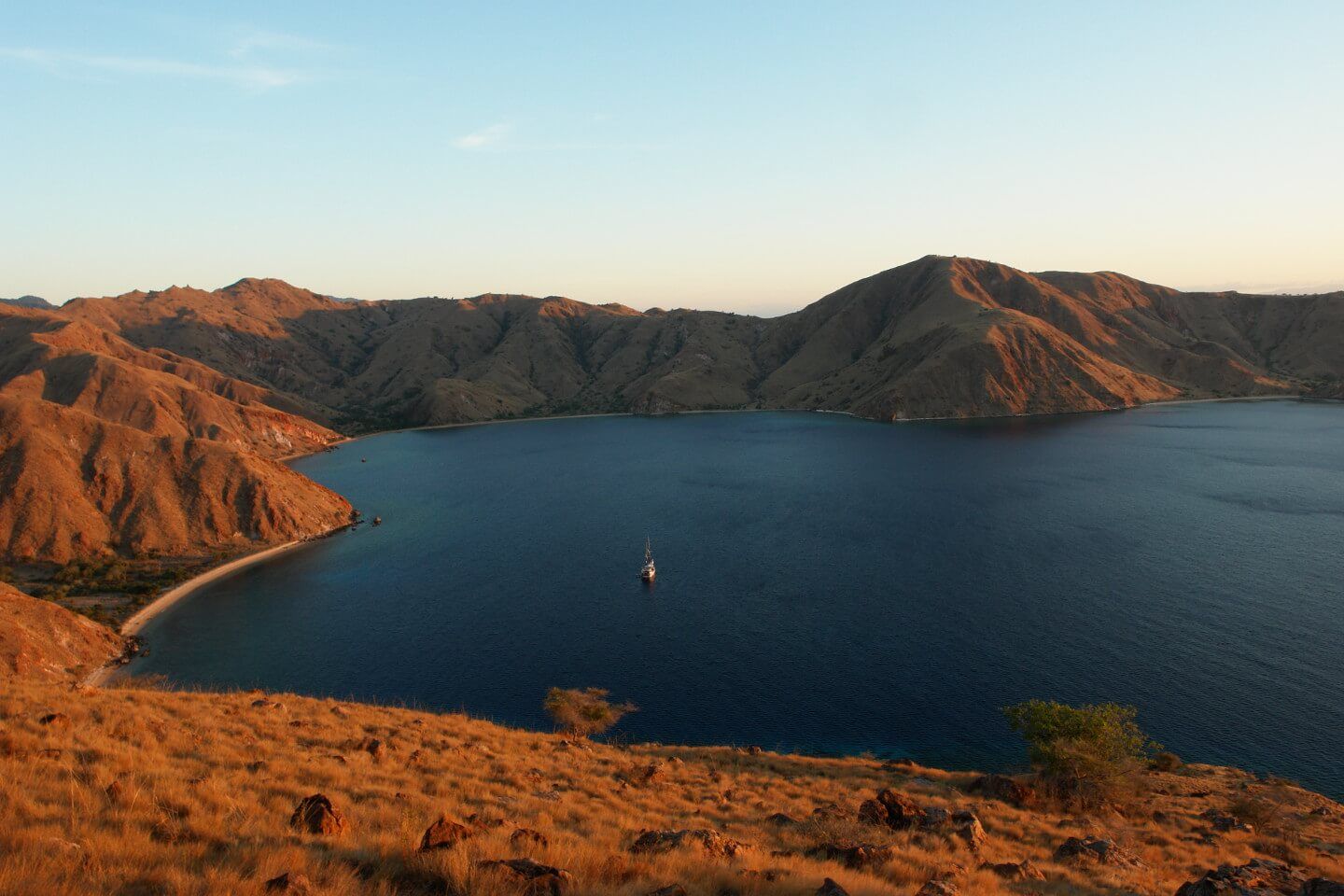
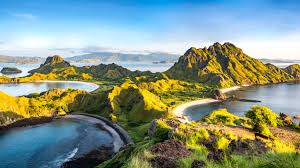
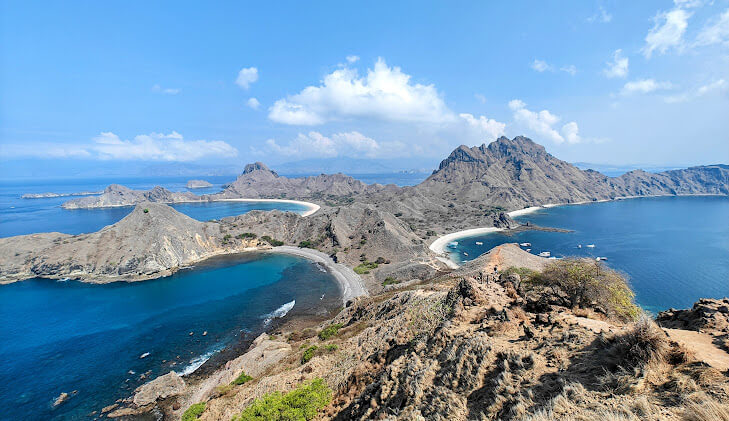
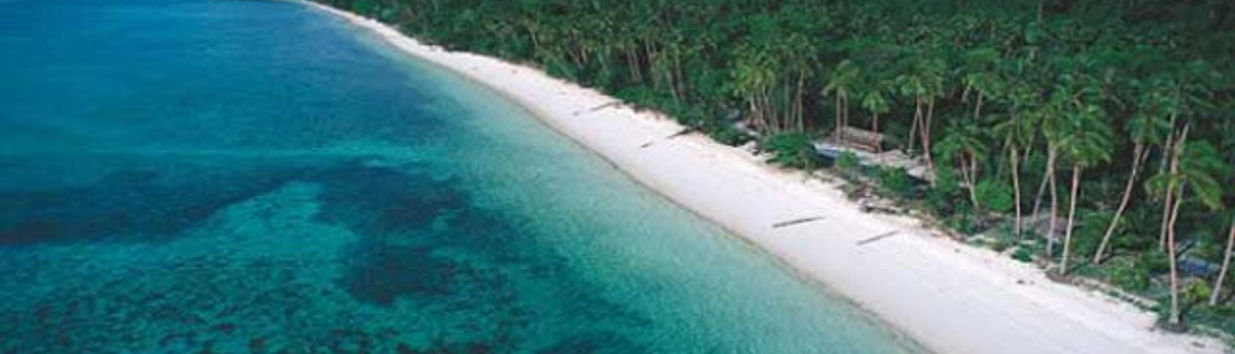
Pantai Binongko is one of those gems tucked away on the island of Binongko part of the majestic Tukangbesi Islands in Southeast Sulawesi, Indonesia. Its pristine, white sandy shores are lapped by the clear, turquoise waters of the Flores Sea, offering a picturesque scene of tranquility and natural beauty. Amidst the backdrop of rolling hills and lush greenery, visitors find themselves in a true tropical paradise.

Spend the day on this popular Bali tour and it will create memories you'll cherish forever. On the Bali Elephant Wash & Lunch Day Tour, you will wash and splash...
Unlike more commercialized beaches, Pantai Binongko remains relatively untouched, giving you a taste of the island's authentic charm. Here, the traditional ways of life of the Bajo people, famed as "sea gypsies," can still be observed. This beach isn't just a stretch of sand; it's a cultural tapestry waiting to be explored for those with a penchant for adventure and discovery.
The history of Pantai Binongko is intertwined with the seafaring culture of the Bajo people, who have inhabited the Tukangbesi Islands for centuries. These adept sailors and fishermen have historically relied on the bountiful seas for their livelihood. Pantai Binongko, with its protective coves and abundant marine life, has long served as a haven for these communities.
Over the years, stories have passed down through generations about the ancestral spirits of the Bajo that are believed to dwell in the waters of Pantai Binongko, protecting the people and their way of life. Despite the slow rise of tourism, the beach has managed to maintain its serene atmosphere and cultural significance. Its history, though not chronicled in written texts, is alive in the everyday practices and oral traditions of the locals.
Pantai Binongko is important for several reasons beyond its stunning aesthetics. For the Bajo people, it's a cornerstone of their cultural identity and a testament to their harmonious relationship with the sea. The beach is also ecologically significant, fostering rich marine biodiversity which includes coral reefs, a variety of fish, and other sea creatures that thrive in these waters.
Additionally, Pantai Binongko offers a different narrative to the story of tourism in Indonesia. Far from the bustling crowds of Bali or Jakarta, it presents an untouched landscape where sustainable tourism is possible. It is important as a symbol of balance between maintaining cultural integrity and inviting the world to respectfully witness it.
At Pantai Binongko, your activities mirror the unhurried pace of island life. You can start by simply taking a walk along the beach, feeling the soft sand underfoot and perhaps catching sight of a Bajo child expertly maneuvering a dugout canoe.
For a bit more adventure, snorkeling in these clear waters will reveal the stunning underwater tableau of coral and marine life endemic to the region. Don't miss taking a boat out to some of the nearby spots, where I've heard seasoned divers speak in hushed tones about the vivid colors they've witnessed beneath the waves.

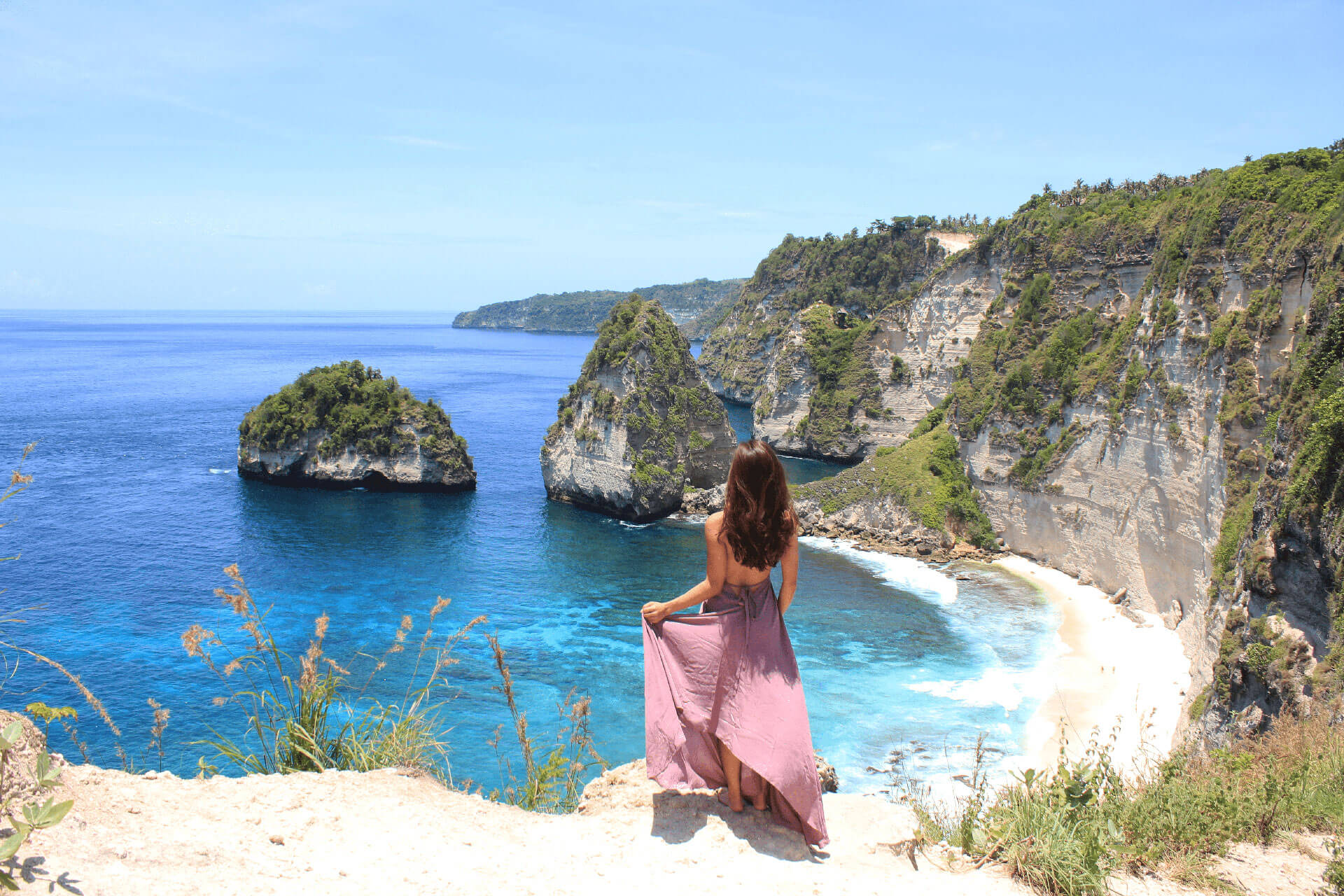
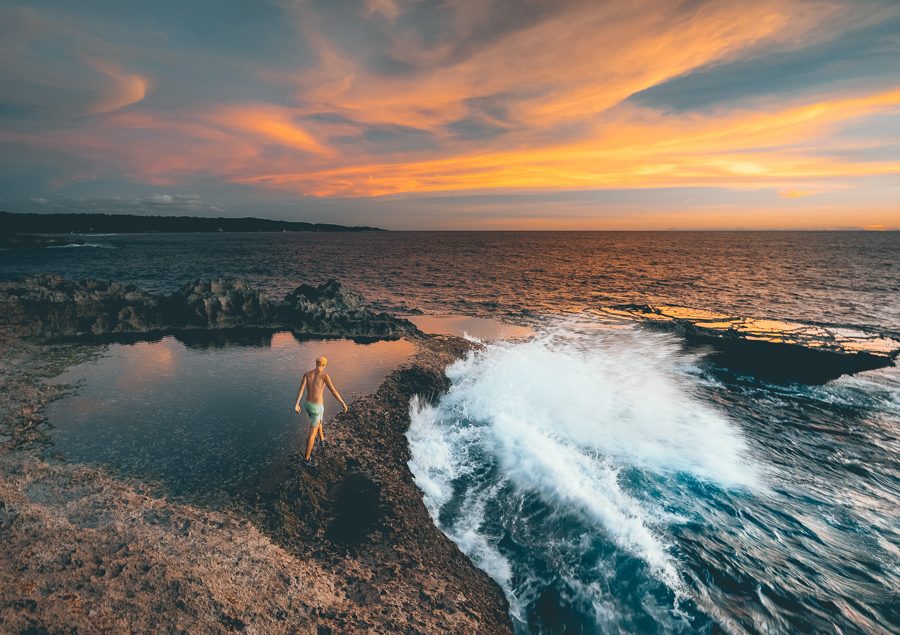
Intrigued by local culture? Engage with the Bajo community. These sea gypsies have an intimate knowledge of the ocean, and spending time with them can give you insights into their sustainable practices and age-old traditions, such as building stilt houses and crafting seaworthy vessels. At the end of the day, climbing to a higher vantage point to watch the sunset over Pantai Binongko is not just recommended, it's a rite of passage into the serene pace of this extraordinary place.
| 📌 Address | 4265+C3G, Palahidu, Binongko, Wakatobi Regency, South East Sulawesi, Indonesia |
| ⏰ Opening Hours | 8:00 AM - 5:00 PM |
| 💸 Entrance Fee | Free |
Pantai Binongko is a picturesque beach located on Binongko Island, which is part of the Tukangbesi Islands within the Wakatobi district in Indonesia, known for its stunning natural beauty and crystal-clear waters.
To reach Pantai Binongko, you typically need to take a flight to the main airport in Wakatobi and then a boat transfer to Binongko Island. It's advisable to check with local tour operators for the most current travel routes and options.
Visitors to Pantai Binongko can enjoy a variety of activities such as swimming, snorkeling, sunbathing, and relaxing on the beach. The area is also known for its rich marine life, making it a great spot for diving enthusiasts.
Accommodation near Pantai Binongko might be limited to guesthouses or local homestays, as the area is quite remote. It's a good idea to plan your stay in advance and confirm your bookings before traveling.
No, Pantai Binongko is not part of Komodo National Park. It is located in a different region within the province of Southeast Sulawesi, whereas Komodo National Park is situated in the West Manggarai Regency of East Nusa Tenggara.