+1 617 404 2125
Banta Island




Search


| 📌 Address | Banta Island, Bajopulau, Sape, Bima Regency, West Nusa Tenggara, Indonesia |
| ⏰ Opening Hours | 8:00 AM - 5:00 PM |
| 💸 Entrance Fee | Varies |

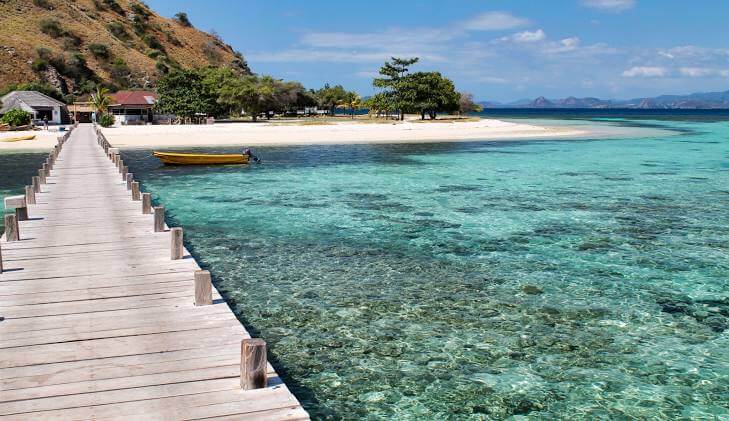
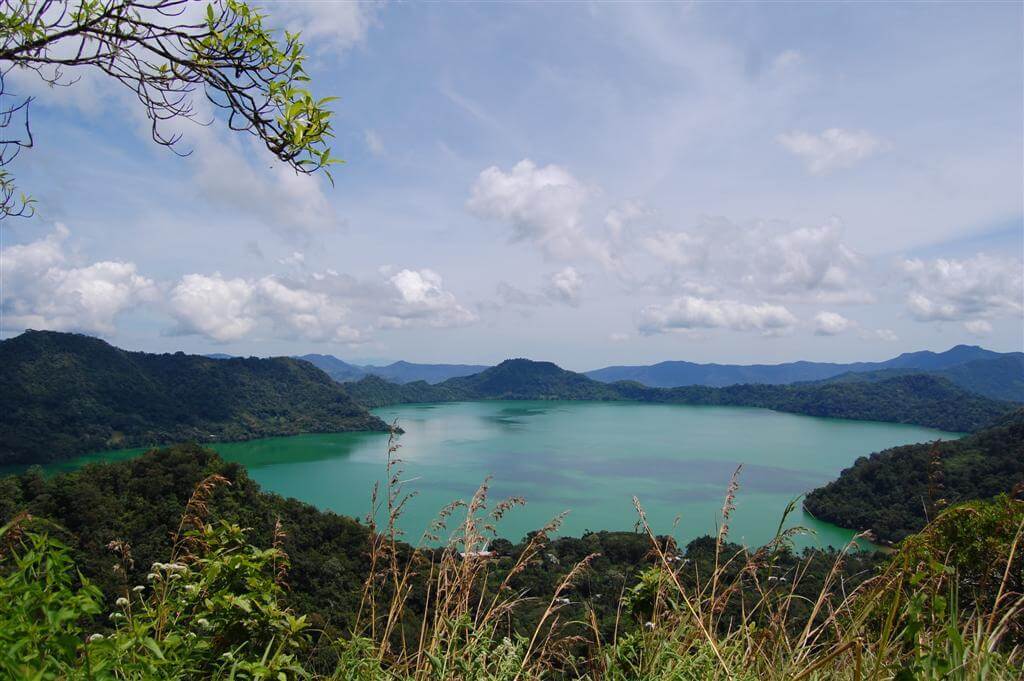
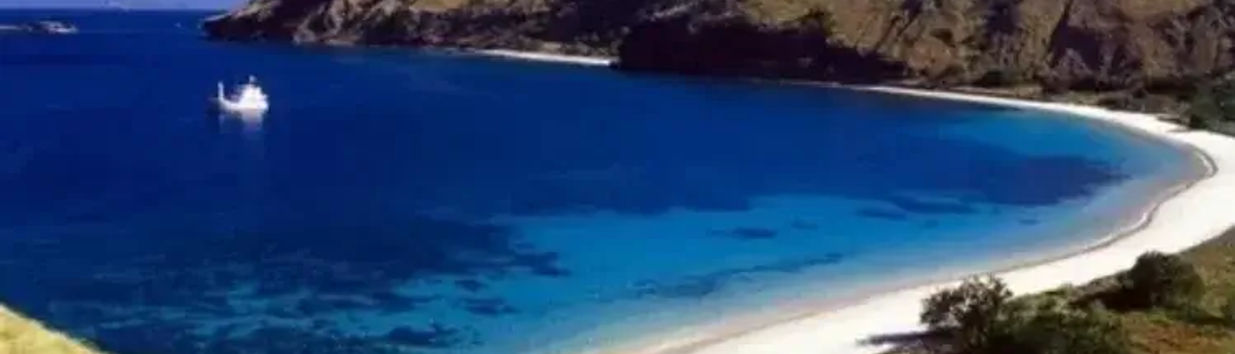
Pulau Banta is a serene and relatively untouched island within the Komodo archipelago, famed for its rugged landscapes, crystal-clear waters, and rich marine life. While it is not as heavily traversed as its famous neighbor, Komodo Island, it offers a uniquely tranquil escape. Pulau Banta presents itself as a secret paradise for those who are in the know, inviting adventurers and nature enthusiasts to explore its hidden treasures above and below the surface.
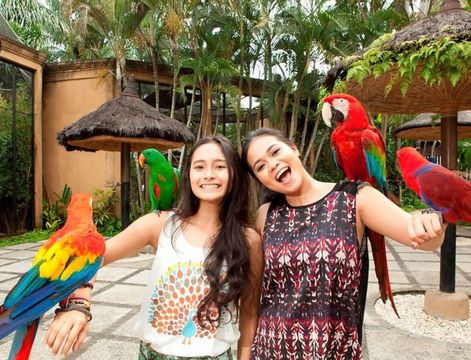
The Bali Bird Park and Monkey Forest Tour is the perfect way for nature lovers to make the most of their vacation to this beautiful island! Starting off with a ...
The history of Pulau Banta is one interwoven with the larger narrative of the Komodo region and the Nusa Tenggara islands. For centuries, these islands have been part of maritime trading routes with influences from various cultures, including the Bajau 'Sea Nomads' who are known for their seafaring skills. Although Pulau Banta has not been inhabited or developed like some of its neighbors, its quiet presence has been a silent witness to the passage of time and the historical ebb and flow of the nearby Flores Sea.
It was not until relatively recently that Pulau Banta became a point of interest for scientists, conservationists, and eco-tourists. With the rise of conservation efforts within the Komodo National Park, Pulau Banta began gaining attention as part of the broader natural wonder of the region. Its undisturbed conditions make it an ideal spot for scientific study and observation of pristine coral reef ecosystems and their inhabitants.
Pulau Banta is an important component of the marine biodiversity in the Komodo National Park area. Its undisturbed nature provides a safe haven for a variety of marine species, some of which are endangered. The surrounding waters are a vital breeding ground for fish and invertebrates, crucial for the health of the coral triangle, one of the most diverse underwater ecosystems on the planet.
For those who seek solace away from bustling tourist spots, Pulau Banta is a breath of fresh air. Its importance also lies in its potential for sustainable tourism that can support conservation while providing visitors with an authentic connection to the natural world. Additionally, the island serves as an indicator of the environmental health of the region, offering valuable insights into the impact of human activity on remote natural environments.
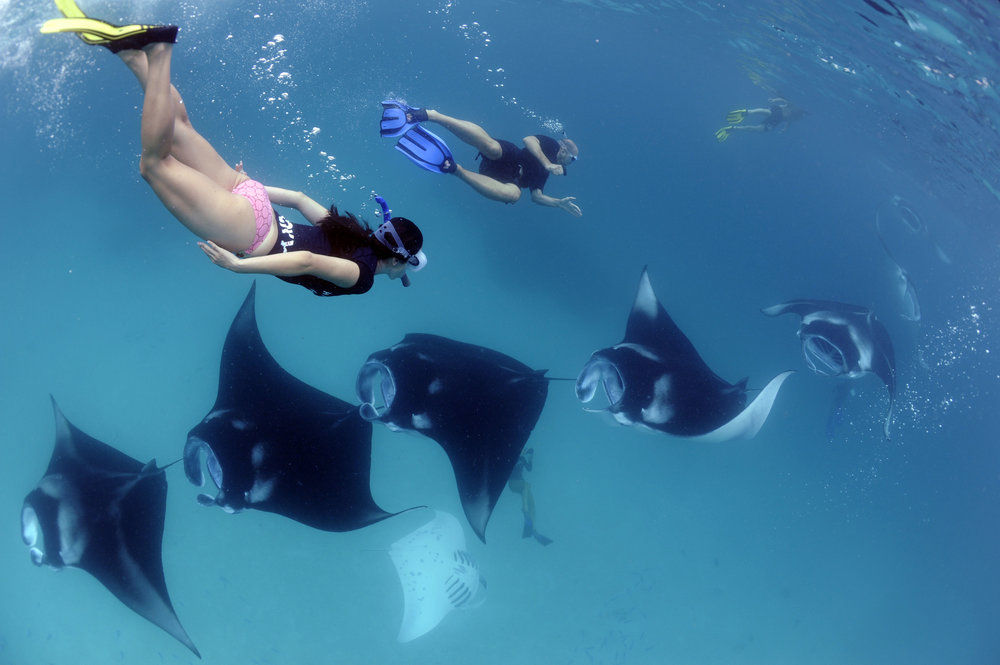
When you're visiting Pulau Banta, the list of activities is inherently shaped by the island's natural environment. Diving and snorkeling are foremost on this list, allowing visitors to immerse themselves in the vibrant underwater realm. The coral gardens teeming with marine life provide a technicolor experience unlike any other, and for those with a keen eye, encounters with manta rays and sea turtles are a real possibility.
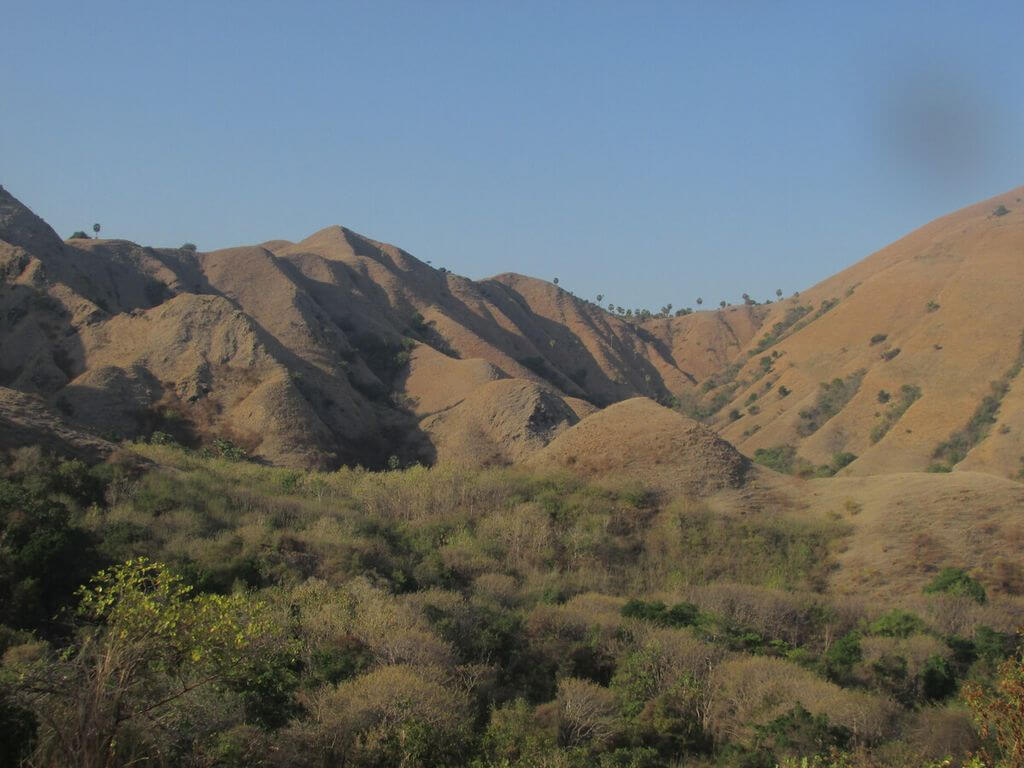
Hiking on Pulau Banta is an opportunity to explore its terrestrial wonders. The island's rugged hills and rock formations present a challenging yet rewarding hike with panoramic views of the surrounding seascape. For the photographer or the sunset chaser, the vistas from Pulau Banta's peaks during the golden hour are simply unmatched.
For a more relaxed experience, the white sandy beaches are perfect for sunbathing or simply lounging with a good book. The isolation of the island means that you're likely to have a beach to yourself, making it ideal for those seeking privacy and quietude. Nighttime brings about a different aspect of Pulau Banta, with stargazing being a magical experience due to the lack of light pollution.
Whether you're an adrenaline junkie or a relaxation seeker, Pulau Banta offers an adventure married with tranquility—something that's becoming increasingly rare in today's fast-paced world.
| 📌 Address | Banta Island, Bajopulau, Sape, Bima Regency, West Nusa Tenggara, Indonesia |
| ⏰ Opening Hours | 8:00 AM - 5:00 PM |
| 💸 Entrance Fee | Varies |
Pulau Banta is one of the lesser-known islands within the Komodo National Park area in Indonesia, offering pristine natural beauty, secluded beaches, and excellent diving spots.
Pulau Banta can be reached by boat from the main islands of Komodo National Park. It is often included as a stop on liveaboard diving trips or private charter tours in the region.
The main attractions on Pulau Banta include diving and snorkeling in its clear waters, exploring its beautiful beaches, and enjoying the tranquil atmosphere away from the more crowded areas of Komodo National Park.
There are no permanent accommodation facilities on Pulau Banta. Overnight stays are typically on liveaboard boats for divers or via camping with special permission for adventure travelers.
Visitors should bring all necessary supplies including food, water, and sun protection when visiting Pulau Banta. Additionally, diving gear should be brought along if planning to dive, unless arranged through a tour operator.