+1 617 404 2125
Sebayur Island




Search


| 📌 Address | Pulau Sebayur Kecil, Pasir Putih, Komodo, West Manggarai Regency, East Nusa Tenggara, Indonesia |
| ⏰ Opening Hours | 8:00 AM - 5:00 PM |
| 💸 Entrance Fee | Free |

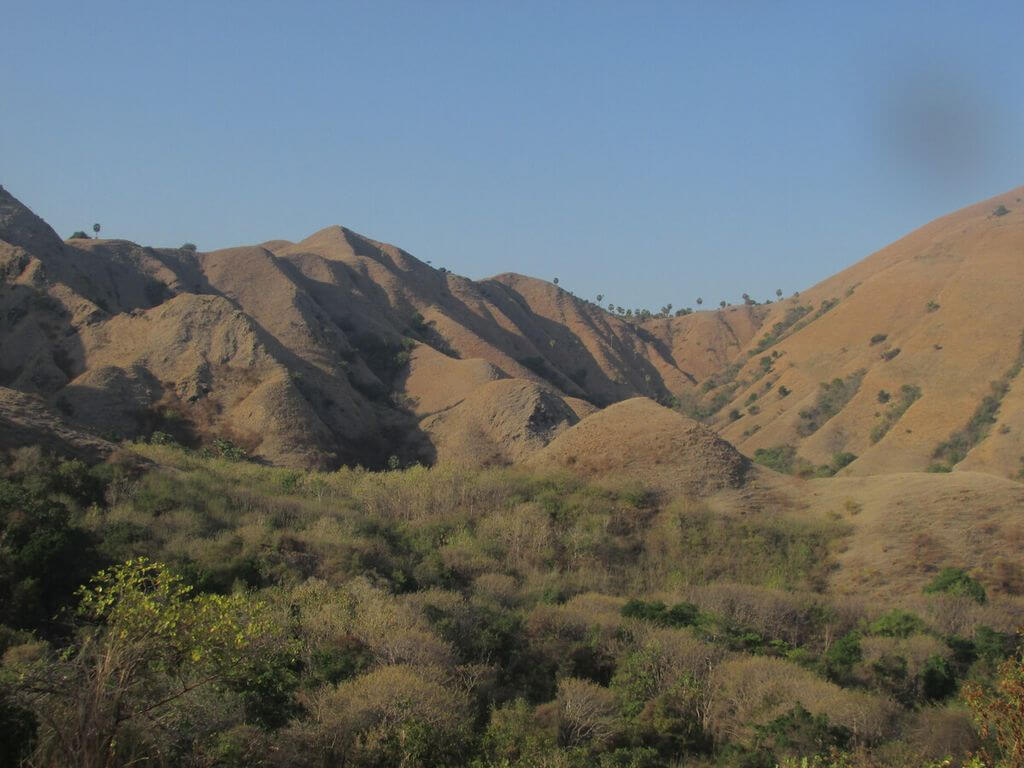
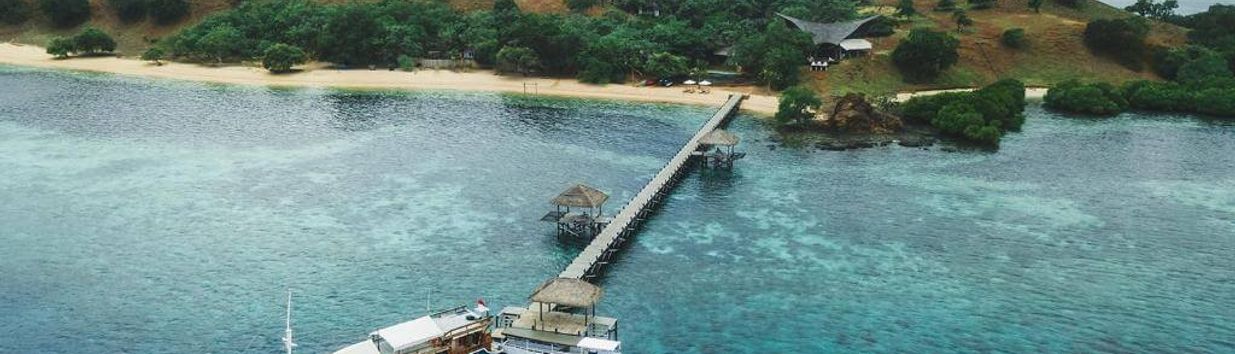
Sebayur Island is one of the lesser-known jewels nestled within the Flores Sea, part of the magnificent Komodo National Park in Indonesia. It's a slice of paradise not overrun by tourists, where tranquility and natural beauty reign supreme. Picture yourself surrounded by crystal-clear waters, glimmering with shades of turquoise and blue, bordered by powdery sandy beaches and a hinterland filled with lush vegetation. It's an idyllic escape for those seeking solace away from the hustle and bustle, and for adventurers, it forms a gateway to some of the world's most celebrated marine biodiversity.
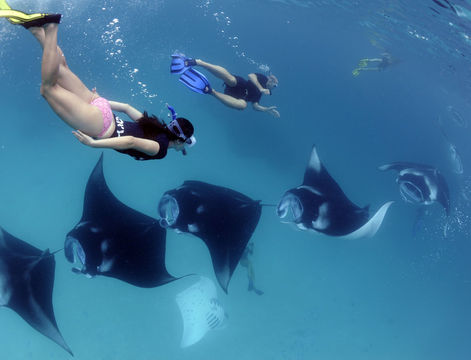
Tours in Bali are just as breathtaking underwater as they are above. Our Nusa Penida Snorkeling Adventure is quite spectacular - your private guide will whisk y...
As someone who has combed every inch of this island's natural splendor, I can tell you that Sebayur offers a riveting combination of relaxation and adventure. Whether you're sunbathing on its untouched beaches, snorkeling amidst its vibrant coral reefs, or taking in a sunset that paints the sky in a palette of fiery hues, Sebayur Island encapsulates the essence of a tropical utopia. Not to mention, its proximity to the more frequented Komodo Island means that it's the perfect tranquil base for exploring the wonders of the Komodo dragons, without the crowds.
The history of Sebayur Island is intertwined with the broader narrative of the Komodo National Park, which was established in 1980 to protect the Komodo dragon. Before gaining protections under national park status, Sebayur and neighboring islands were primarily home to fishing communities living in harmony with the sea's natural rhythms. These communities relied heavily on the abundant marine life and the fertile lands for agriculture and sustenance.
As with many islands in the region, Sebayur's past is not documented in detail in the annals of history. It has quietly observed the ebb and flow of life in the archipelago, mostly untouched by the outside world. Historical interactions have been primarily with the Bugis and Makassarese seafarers from Sulawesi, known for their prowess in navigating the Indonesian archipelago. Following the national park's establishment, Sebayur received more attention, albeit still limited, as an eco-tourism destination where protective measures ensured the preservation of its natural environments.
One could argue that the true history of Sebayur Island is etched not in written records but within the coral gardens beneath its waters and the rugged lines of its topography, narrating ancient tales of natural evolution and ecological balance. It’s this untouched and preserved state that offers a unique historical insight into the natural beauty of Indonesia before the widespread impact of human activity.
Sebayur Island is important for several reasons. Foremost is its role as part of the Komodo National Park, a UNESCO World Heritage site, serving as a pivotal habitat within a network of islands that supports the survival of numerous marine and terrestrial species. This includes the majestic Komodo dragon, the world’s largest lizard, and a range of other wildlife, some of which are endemic to the region.
Beyond its environmental significance, Sebayur Island contributes to the local and regional economy through eco-tourism. Visitors come here attracted by the pristine natural surroundings and the opportunity for exceptional diving and snorkeling experiences. They participate in maintaining the delicate balance of conservation and tourism, which funds environmental protection efforts and provides livelihoods for local communities.
Importantly, Sebayur Island's conservation status safeguards the vibrant coral reefs and diverse marine life that are under threat globally. The coral triangle, of which this area is a part, is a marine area with the highest biodiversity of coral reef fish in the world. It's a natural research laboratory, offering invaluable insights into marine ecosystems and the effects of climate change, thereby contributing to global efforts on environmental conservation.
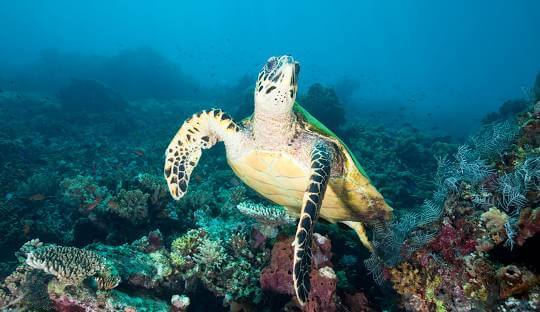
Sebayur Island may be small, but it's packed with activities for any ocean lover or nature enthusiast. The island's primary allure is its underwater paradise. Scuba diving here is world-class, with visibility often exceeding 30 meters, providing a clear view of the myriad of fish, sea turtles, and vibrant corals. Whether you're a beginner or a seasoned diver, there's something for everyone, including night dives for the more adventurous souls.
Snorkeling is a more accessible way to enjoy the underwater world of Sebayur. The coral reefs are shallow enough that a vast spectrum of sea life can be observed just beneath the surface. You might even encounter manta rays or reef sharks! For those who prefer to stay dry, a boat trip around Komodo National Park including Padar Island and Pink Beach is a must, offering enchanting landscapes and the chance to see the Komodo dragons from a safe distance.
Back on Sebayur, hiking up the hills will reward you with breathtaking panoramic views of the surrounding islands. The sunset from this vantage point is a magical experience, with the sky melting into a rainbow of colors as the sun dips below the horizon. Or how about taking a leisurely kayaking trip along the coast, feeling the gentle waves and maybe even paddling alongside dolphins? It’s these kinds of experiences that make Sebayur a not-so-hidden gem in Indonesia's crown.

| 📌 Address | Pulau Sebayur Kecil, Pasir Putih, Komodo, West Manggarai Regency, East Nusa Tenggara, Indonesia |
| ⏰ Opening Hours | 8:00 AM - 5:00 PM |
| 💸 Entrance Fee | Free |
Sebayur Island is a small, picturesque island that is part of the Komodo National Park in Indonesia. It is known for its crystal-clear waters, excellent diving spots, and tranquil beaches, making it a perfect destination for nature enthusiasts and adventure seekers.
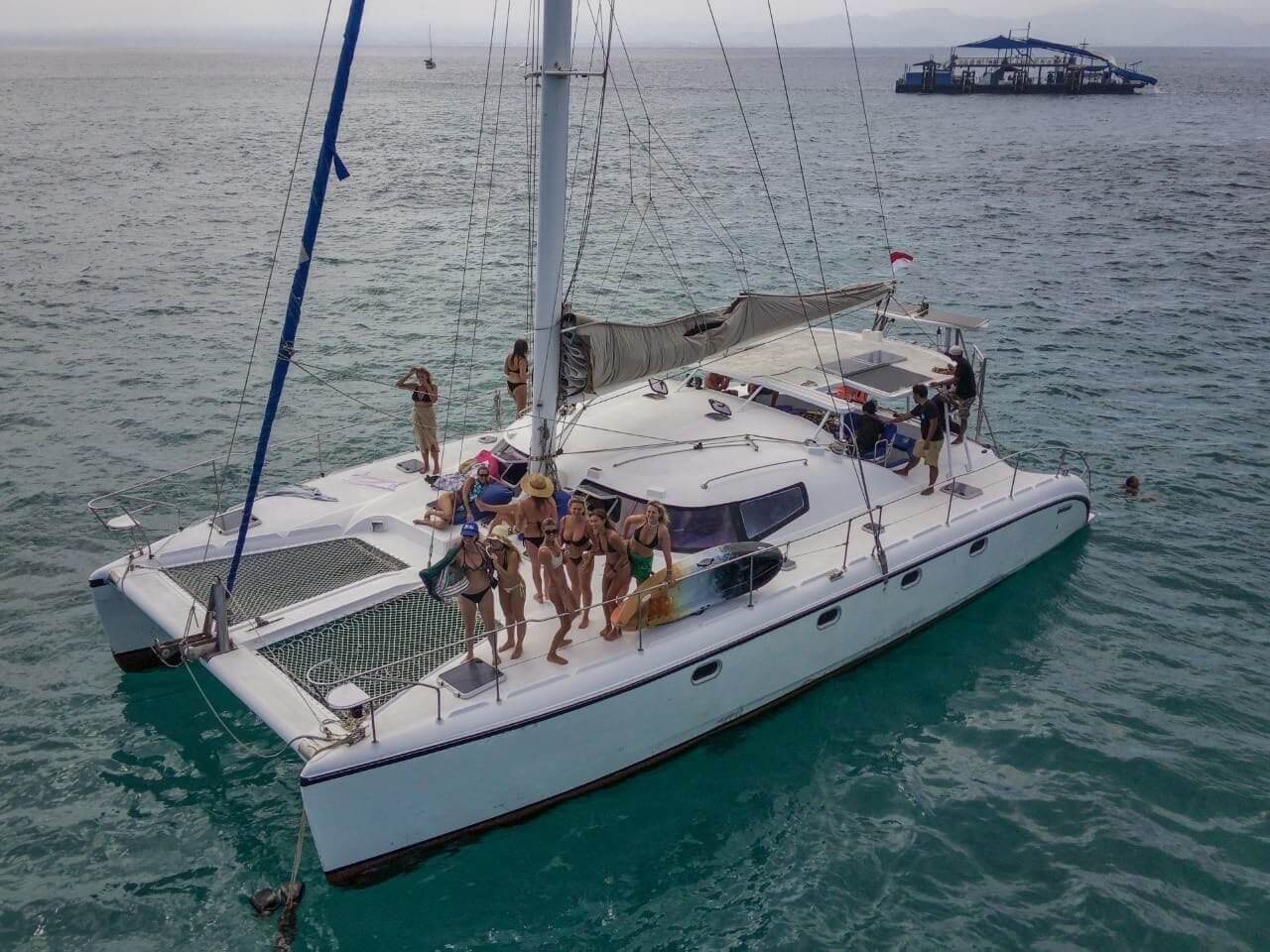
To get to Sebayur Island, visitors usually take a boat from Labuan Bajo, the nearest port town on the island of Flores. The boat ride takes approximately an hour and offers scenic views of the surrounding islands and the Flores Sea.
Visitors to Sebayur Island can enjoy a variety of activities, including scuba diving and snorkeling in the rich marine habitats, relaxing on the island's serene beaches, trekking to get panoramic views of the island, and kayaking in the calm waters around the island.
Yes, there are accommodations on Sebayur Island ranging from eco-friendly resorts to diving lodges that cater to the needs of travelers. These facilities usually offer packages that include meals, lodging, and activities such as diving and snorkeling.
Sebayur Island is a great destination for families who enjoy outdoor activities and exploring nature. While the island provides a peaceful retreat, it should be noted that the activities are more suited for older children and adults who are comfortable with water-based and physical activities.