+1 617 404 2125
Cheong Fatt Tze - The Blue Mansio




Search


| 📌 Address | 14, Lebuh Leith, George Town, 10200 George Town, Pulau Pinang, Malaysia |
| ⏰ Opening Hours | 24 hours |
| 💸 Entrance Fee | Varies |
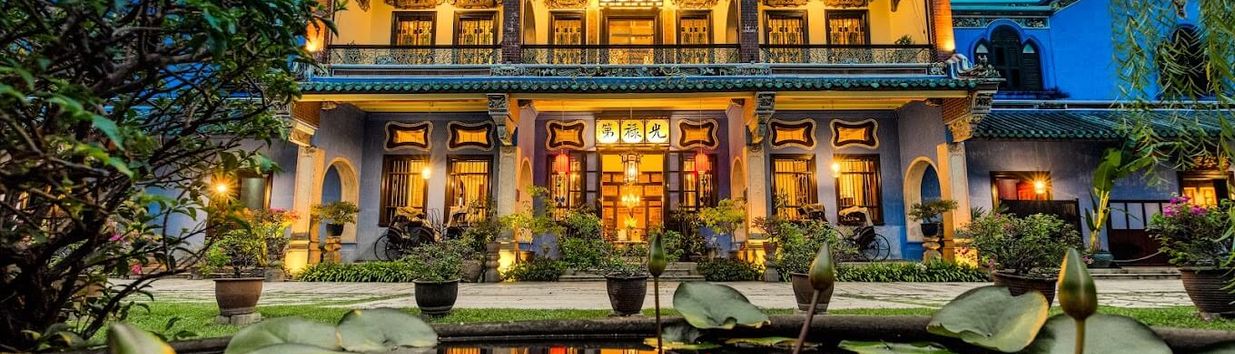
The Blue Mansion, officially known as Cheong Fatt Tze Mansion, stands as a remarkable testament to the amalgamation of Eastern and Western architectural design and heritage. This indigo-blue Chinese courtyard house in Penang, Malaysia, was built at the end of the 19th century by Cheong Fatt Tze, an influential merchant who was later dubbed as the 'Rockefeller of the East'. It is not just an ordinary heritage building; it's a symbol of Penang’s rich cultural diversity and a brilliant representation of the Peranakan lifestyle, which is a blend of Chinese and Malay traditions.
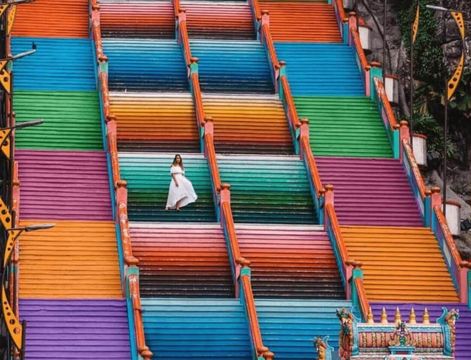
No trip to Malaysia's capital is complete without our Kuala Lumpur Instagram Tour. Jam-packed with all the famous spots, our full-day, all-inclusive Kuala Lumpu...
This mansion’s distinctive blue hue comes from the natural dye of indigo which has persevered through time, lending the building its colloquial name, The Blue Mansion. Unlike most historical sites that serve to educate or function solely for tourism, The Blue Mansion continues to be bustling with activity as a boutique hotel, museum, and cultural center. Furthermore, its restoration has reclaimed the opulence and splendor of the past in a manner that few heritage buildings in the region have managed to achieve.
Cheong Fatt Tze was an extraordinary self-made businessman and politician, hailing from Guangdong Province in China. To commemorate his success, he commissioned the construction of the mansion in the 1880s. Each aspect of the mansion was meticulously planned, and materials were sourced globally from inlaid mother-of-pearl from China to Stoke-on-Trent ceramics and Glasgow cast iron. It took over seven years and the skills of master craftsmen from China to complete this monumental task.
The mansion was not only Cheong’s residence but also a display of his affluence and beliefs in the principles of Feng Shui. After his death in 1916, the mansion entered a state of disrepair as the building was split among various descendants. It wasn't until the 1990s that a group of conservationists took to the immense task of restoring the mansion, reviving its former glory — a project that would earn them numerous heritage awards.
This extensive restoration has turned The Blue Mansion into an emblem of successful conservation and a source of inspiration for similar heritage projects across Southeast Asia. After the renovation was completed, The Blue Mansion was featured on stamps and currency notes, marking its significance not only in Penang’s culture but also within Malaysia's national identity.
The Blue Mansion is more than an architectural marvel; it stands as a cultural nexus that encapsulates over a century of Penang's evolution. Its significance lies in the narrative it carries — the story of diaspora, trade, and cultural fusion that defines much of Penang's and Malaysia's history. Being an immensely successful Chinese immigrant, Cheong Fatt Tze himself symbolized the possibility of prosperity through trade and cultural assimilation for many who arrived on the shores of Penang.
From a heritage standpoint, the mansion is a physical embodiment of the cross-cultural environs that Penang has fostered over centuries. Its architecture is so unique that it is often cited as a prime example of the 'Eclectic Style', fused with Eastern and Western designs. The Blue Mansion demonstrates how Chinese principles of Feng Shui can intersect with colonial aesthetics to create a harmonious yet opulent dwelling.
On another level, The Blue Mansion's restoration and continued operation as a living museum and boutique hotel have set benchmarks for historical preservation in the region. It's not simply about keeping the building intact; it's about maintaining the spirit, operating living traditions, and making history accessible to contemporary visitors. That mix of palpable history and luxurious hospitality offers a rare glimpse into the lifestyle of the Peranakan bourgeoisie of the 19th century.
Stepping into The Blue Mansion is akin to walking into a past era, where each turn reveals another aspect of the mansion's storied history. Daily guided tours are offered in English, which delve into the mansion's architecture, history, and Cheong's life story. These tours are essential for understanding the narrative reflected in every intricately carved panel and every piece of imported stained glass.

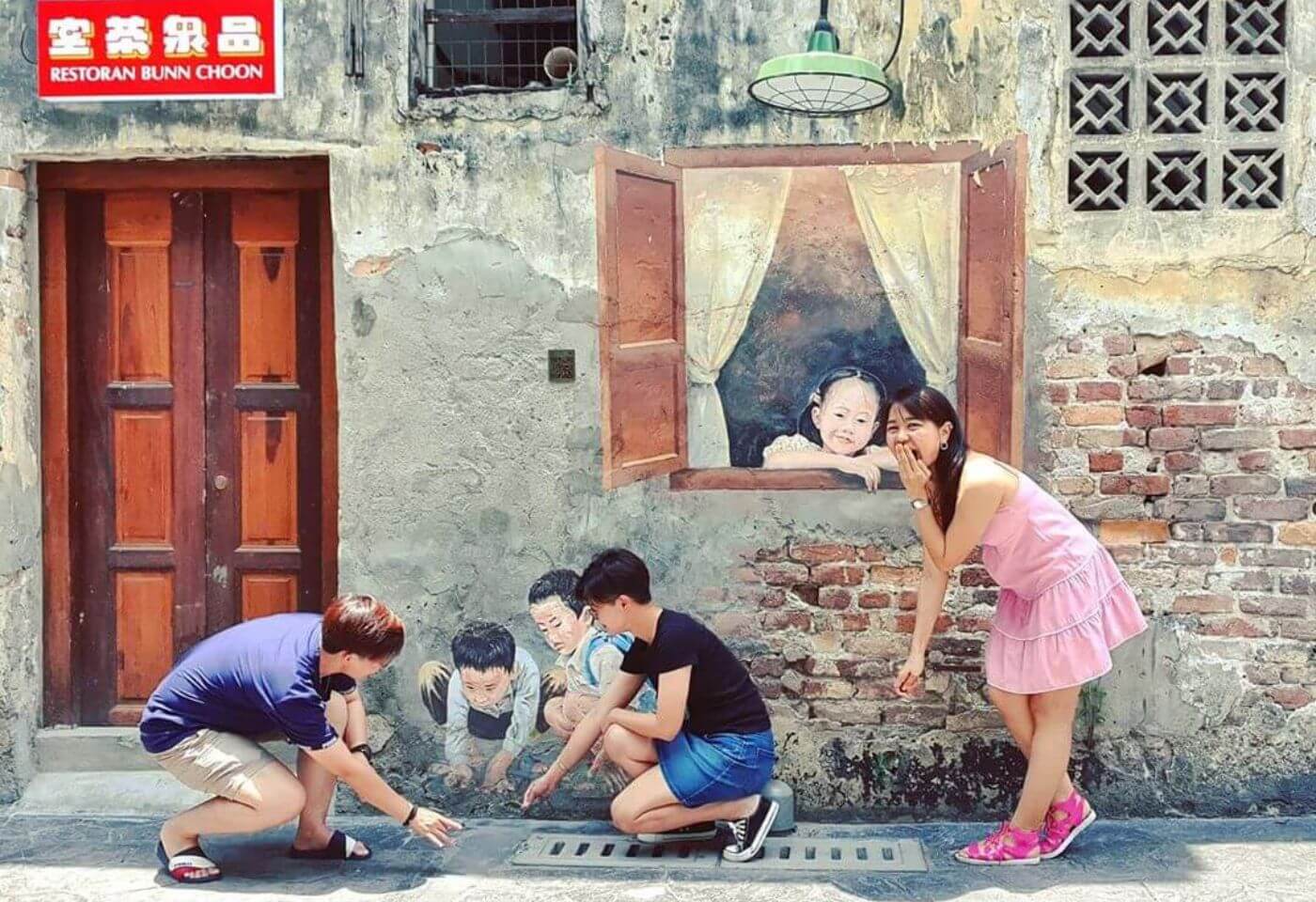
For art and architecture aficionados, the decorative details are not to be missed — from the Feng Shui-inspired layout, auspicious Chinese symbols, and motifs to the European stained glass windows and art nouveau styling. The mansion is also home to antique furnishings and majestic sculptures, contributing further to the mansion's aesthetic pedigree.
Don't forget to enjoy the cultural events and exhibitions that often take place in the mansion's courtyards, where local artists and international performers keep the mansion vibrant and relevant. For those seeking to indulge in the full experience, staying in the boutique hotel offers a deeper connection, enabling guests to bask in the mansion's luxury while enjoying modern comforts.
Each corner of The Blue Mansion whispers tales of the bygone era, entwining the past with the present in an experience that’s incredibly unique to this part of the world. As you wander, let the history soak in, and perhaps, just maybe, you'll feel the echoes of Cheong Fatt Tze's visionary spirit and the vibrant history of Penang itself.
| 📌 Address | 14, Lebuh Leith, George Town, 10200 George Town, Pulau Pinang, Malaysia |
| ⏰ Opening Hours | 24 hours |
| 💸 Entrance Fee | Varies |
The Cheong Fatt Tze - The Blue Mansion is a historic building located in Penang, Malaysia, known for its distinctive blue façade and architecture that blends Eastern and Western design elements. It was built in the late 19th century by the influential merchant Cheong Fatt Tze.
Visitors can tour the Cheong Fatt Tze - The Blue Mansion through guided tours that are offered at specific times throughout the day. It's advisable to check their official website or contact the mansion directly for the latest tour schedules and availability.
Yes, the Cheong Fatt Tze - The Blue Mansion hosts various cultural events, exhibitions, and workshops that celebrate both the history of the mansion and the heritage of Penang. Event details are usually posted on their official website or social media channels.
The Cheong Fatt Tze - The Blue Mansion operates as a boutique hotel, so guests have the opportunity to stay overnight in one of the mansion's uniquely decorated rooms. Availability and reservations can be made through their website or hotel booking platforms.
The best time to visit the mansion is during the weekdays when it's less crowded, allowing for a more leisurely exploration. The early morning or late afternoon guided tours are also recommended for cooler temperatures and better photography lighting.