+1 617 404 2125
Floating Mosque




Search


| 📌 Address | Jalan Batu Ferringhi, Tanjung Bungah, 11200 Tanjung Bungah, Pulau Pinang, Malaysia |
| ⏰ Opening Hours | 5:00 AM - 9:30 PM |
| 💸 Entrance Fee | Free |
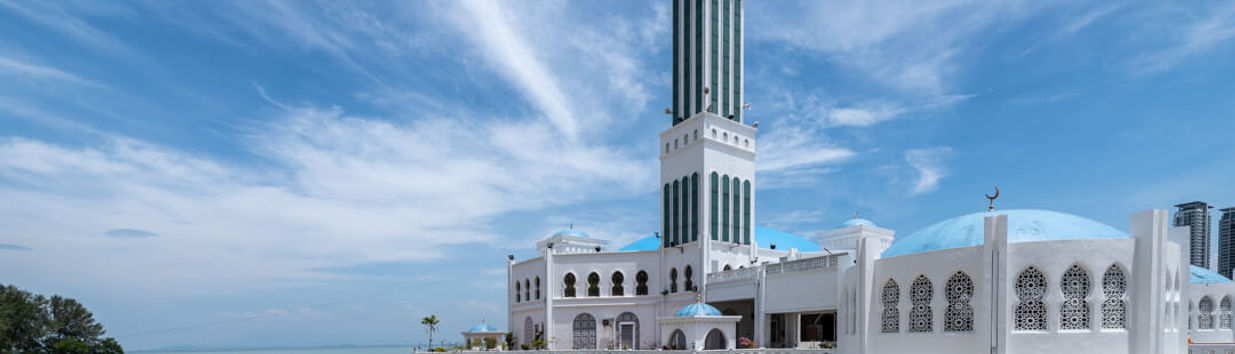
Imagine a place of worship that appears to gracefully float upon water, merging architectural beauty with the calming presence of the sea. The Penang Floating Mosque, also known as Tanjung Bungah Floating Mosque, is just that—a stunning structure that seems to defy gravity. Nestled along the shores of Tanjung Bungah, it's not just a religious site but a marvel that intertwines culture, faith, and nature. On my many strolls along the coast, I can't help but feel a sense of awe as the mosque's reflection dances on the water during a serene sunset.
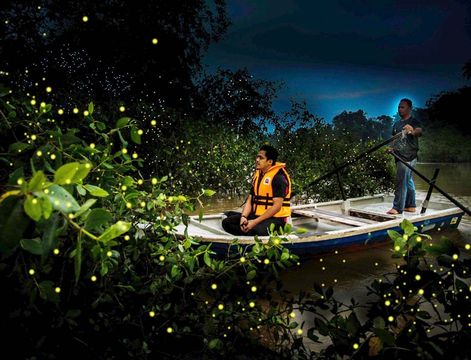
Our Kuala Lumpur Fairy Firefly And Monkey Hill Tour is for those of you that are looking for a tour in Kuala Lumpur with a difference. Step off the beaten track...
The mosque's unique design serves as a symbol of innovation within our traditional Islamic architecture. Its location over the water not only provides a spectacular view for prayer-goers but also for curious travelers like yourself looking to explore the intersection of man-made wonders and natural beauty. Don't be fooled by the name, though; the mosque isn't truly afloat, but built on stilts over the sea, creating the illusion of floating which is especially magical at high tide.
The history of the Penang Floating Mosque is relatively recent, but it holds a narrative that is deeply rooted in the local community. Following the devastating aftermath of the 2004 tsunami, a need arose for a new mosque to serve the faithful as the previous mosque by the same shore was damaged. In 2005, construction began, and by 2007, the mosque was officially opened to the public. This quick turnaround reflected the resilience and solidarity of Penang's people in the face of adversity.
Having spoken with the builders and locals who witnessed the construction, I learned that the decision to create a floating sensation was intentional—a reminder of the power of the sea and an embodiment of hope that rises above the waters. Furthermore, it stands as a replacement and an upgrade to the original mosque, intertwining the past with the present. To this day, the mosque is not only a place of worship but also a reminder of recovery and perseverance that speaks to the heart of our community.
The importance of the Penang Floating Mosque can be seen in multiple dimensions. Spiritually, it is a sanctuary for prayer and reflection for Penang’s Muslim community. Culturally, it represents the harmonious blend of local Islamic architecture with contemporary design. From its arabesque windows and intricate minarets, to its overall design which incorporates Malay and Middle Eastern influences, the mosque is a testament to cultural synthesis and religious significance. It's also a beacon for interfaith understanding and tourism, welcoming visitors from around the world to witness its splendor first-hand.
For me and other residents, it's a potent symbol of our identity and resilience, particularly after overcoming the tsunami's challenges. At a more pragmatic level, the mosque serves as an architectural response to the terrain, demonstrating how buildings can be adapted to coastal environments while minimizing environmental impact. As a native who has observed the mosque become an integral part of our coastline, I can attest to its growing role in community-building and environmental education.
When you visit the Penang Floating Mosque, prepare to engage your senses and embrace tranquility. You can observe the sumptuous interior and take in the detailed calligraphy and geometric patterns that adorn the walls. While inside, respect the peaceful ambiance and perhaps participate in a guided tour, where you can learn about the mosque's design principles, its role in the community, and the Islamic practices observed here.
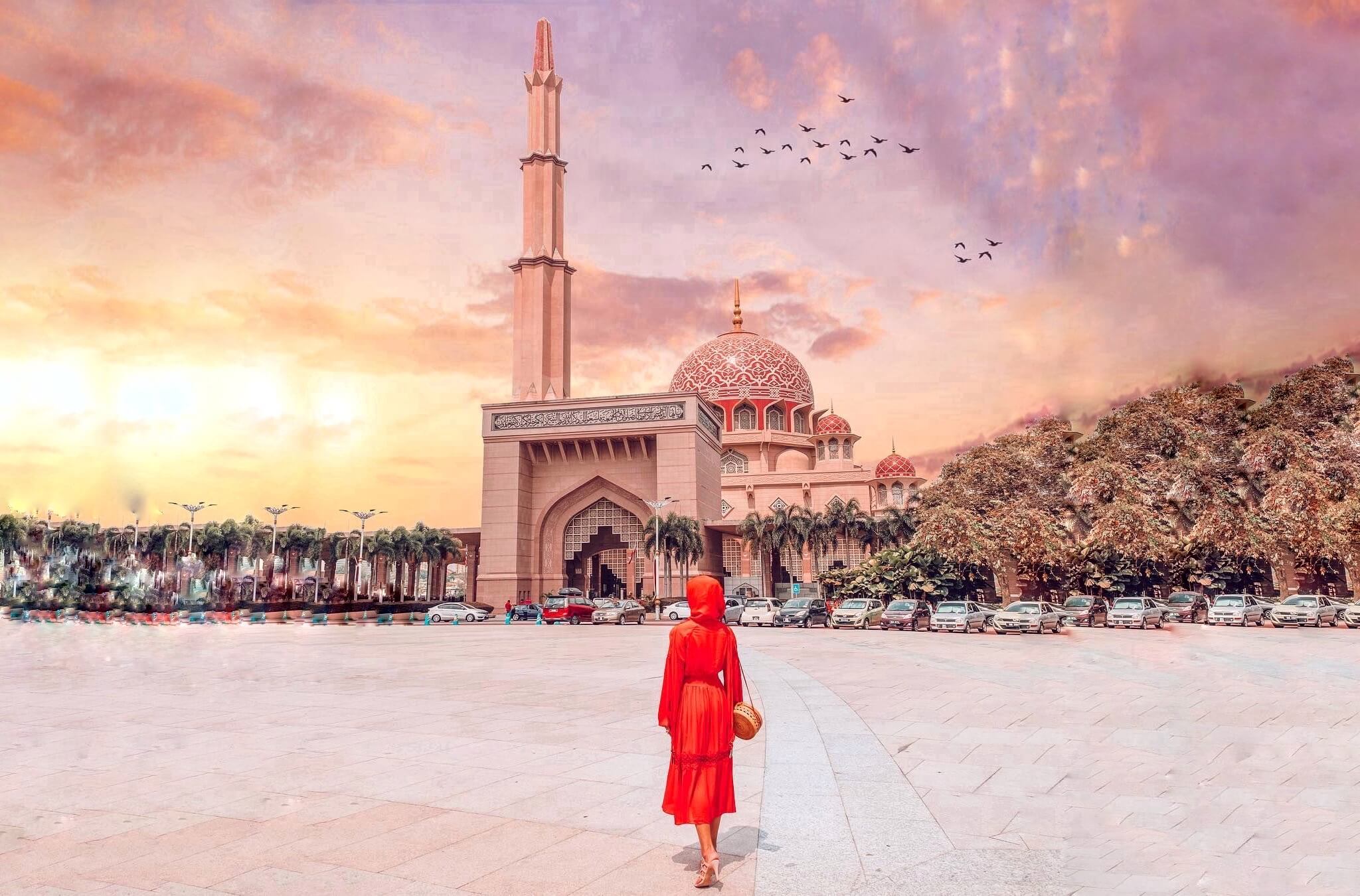

Beyond the mosque's boundaries, the surrounding area of Tanjung Bungah offers scenic beach views and a taste of local life. I always recommend visitors to explore the nearby night markets for delicious street food, or peruse local artisan shops for unique souvenirs. The mosque is also a starting point for boat tours, where you can see the splendid edifice from the water, gaining a unique perspective of its 'floating' architecture.
Regardless of your faith, a visit to the Penang Floating Mosque is both enlightening and mesmerizing. Ensure to dress modestly out of respect for the sacred site, and if you’re unsure about any cultural practices, don’t hesitate to ask; the locals are proud of this landmark and usually more than happy to share its stories with you. From witnessing the structure's ethereal reflection during high tide to exploring its grand hall during a quiet moment, your time at the Penang Floating Mosque will be an experience you'll carry with you long after you've left its peaceful embrace.
| 📌 Address | Jalan Batu Ferringhi, Tanjung Bungah, 11200 Tanjung Bungah, Pulau Pinang, Malaysia |
| ⏰ Opening Hours | 5:00 AM - 9:30 PM |
| 💸 Entrance Fee | Free |
The Penang Floating Mosque, also known as Tanjung Bungah Floating Mosque, is a stunning mosque located in Penang, Malaysia. It is renowned for its unique design, which gives the illusion that it is floating on water, especially during high tide.
Visitors can access the Penang Floating Mosque by taking public transportation, taxi, or driving to Tanjung Bungah area in Penang. There is available parking for visitors who choose to drive.
Yes, the Penang Floating Mosque has specific visiting hours for tourists, which are usually outside of prayer times. It is advisable to check the current visiting hours before planning a trip.
No, there is no admission fee to enter the Penang Floating Mosque. However, visitors are expected to dress respectfully and to follow the rules of conduct while inside the mosque.
Visitors to the Penang Floating Mosque should wear clothing that covers their arms and legs. Women are also required to cover their heads, and scarves are usually provided at the mosque for this purpose.