+1 617 404 2125
Curú Wildlife Refuge




Search



| 📌 Address | Q3QG+W4J, Provincia de Puntarenas, Paquera, Costa Rica |
| ⏰ Opening Hours | 7:00 AM - 4:00 PM |
| 💸 Entrance Fee | CRC 2,500 |

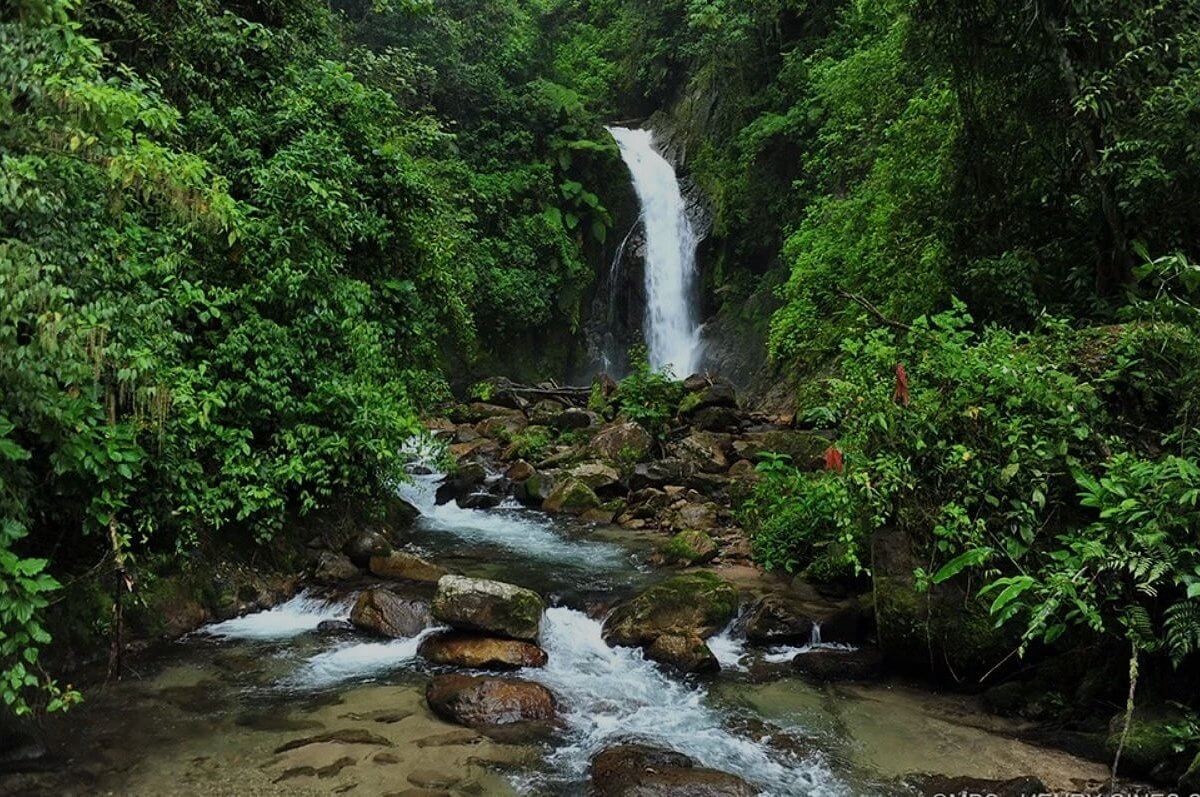
Curú National Wildlife Refuge is a shimmering example of Costa Rica's dedication to conservation and eco-tourism. Nestled in the Nicoya Peninsula and covering an area of approximately 1,496 hectares, this refuge provides a sanctuary for a diverse array of flora and fauna. It's a place where the dry tropical forest meets the salty kiss of the Pacific, creating a unique ecosystem that supports a stunning variety of wildlife, including mammals, birds, reptiles, and amphibians. Each step through Curú is a dance with nature, where the soundtrack is the call of the howler monkeys and the rustling of leaves underfoot.

The half-day Chiang Mai Trishaw Ride & Mae Ping River Cruise is the perfect way to see old Chiang Mai in a traditional way. This thrilling and fun Chiang Mai to...
The story of Curú is one of transformation. The refuge was originally part of a hacienda owned by the family of Federico Schutt de León. In the early 20th century, it was primarily used for agricultural purposes. However, Federico, with his foresight, saw the potential for conservation and began efforts to protect the area's natural beauty and biodiversity. It's a legacy that dates back to the 1930s, marking Curú as a pioneer in private wildlife management in Costa Rica. The refuge was officially established in the 1980s, turning the former farmlands into a sanctuary where wildlife could thrive without fear of deforestation or over-exploitation.
Curú is a beacon of hope in the realm of conservation. It's important not only for its biological diversity but also as a successful model of sustainable development and eco-tourism. The refuge safeguards important habitats for numerous species, some of which are endemic or facing the threat of extinction. It serves as a critical corridor that allows species to move between protected areas, maintaining genetic diversity and ensuring the health of ecosystems. Additionally, Curú demonstrates how natural resources can be used responsibly, with eco-tourism providing economic benefits to the local community while promoting environmental education and awareness.
Embark on a journey into Curú, and you'll discover a world unrivalled in its natural wonders. For starters, wildlife spotting is sensational here—keep your eyes peeled for white-tailed deer, coatis, capuchin and howler monkeys, and if you're lucky, the elusive puma.
Explore the trails that weave through the refuge; each path offers a unique perspective on this vibrant ecosystem. The trails range from easy to moderate in difficulty, making them accessible for most visitors. Along these paths, birdwatching enthusiasts delight in the opportunity to spot some of the 232 recorded bird species, including the fiery-billed aracari and the turquoise-browed motmot.


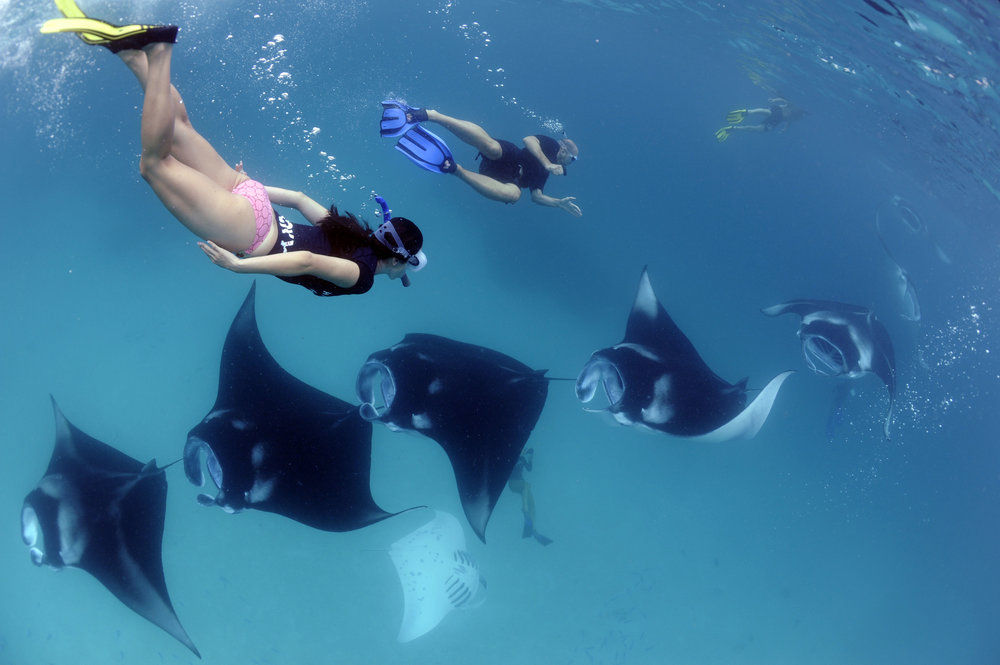
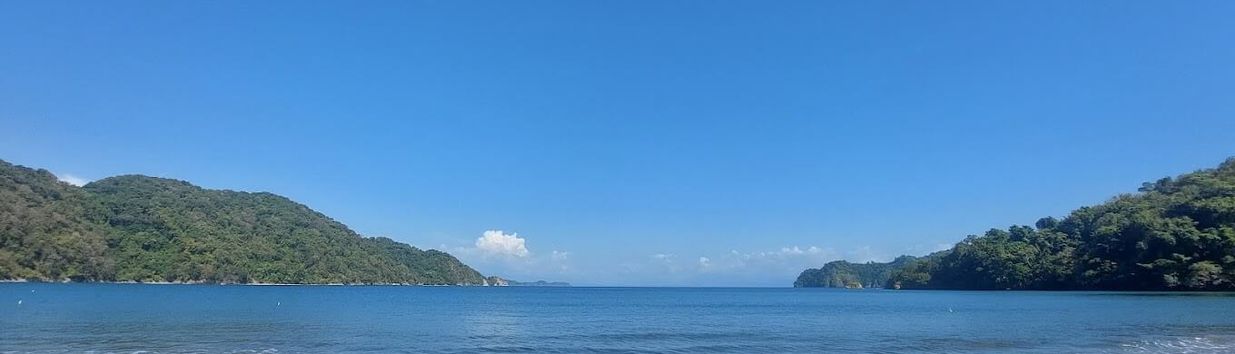
For those captivated by marine life, the refuge's coastline offers opportunities for snorkeling in its pristine waters where vibrant tropical fish dart among the coral. And let's not forget the stunning beaches that beckon for a moment of relaxation to the sound of the waves.
Seasonally, you can witness the awe-inspiring sight of sea turtles nesting on Curú's beaches. If you're passionate about contributing to conservation efforts, inquire about the volunteer programs where you can aid in protecting these ancient mariners.
Additionally, for adventurists seeking a deep dive into rural Costa Rican culture, homestay experiences with local families are available, creating authentic connections and memories that last a lifetime.
| 📌 Address | Q3QG+W4J, Provincia de Puntarenas, Paquera, Costa Rica |
| ⏰ Opening Hours | 7:00 AM - 4:00 PM |
| 💸 Entrance Fee | CRC 2,500 |
Curú National Wildlife Refuge is a protected area in Costa Rica, known for its rich biodiversity, including numerous species of flora and fauna, and its important role in conservation and ecological research.
Curú National Wildlife Refuge is situated on the southern Nicoya Peninsula in the Puntarenas Province of Costa Rica, not far from the town of Paquera.
Visitors to Curú National Wildlife Refuge can enjoy activities such as wildlife viewing, hiking on various trails, bird watching, snorkeling, and guided tours to learn about the ecosystem and conservation efforts.
At Curú National Wildlife Refuge, one might encounter a variety of wildlife, including white-faced capuchin monkeys, howler monkeys, spider monkeys, coatis, raccoons, deer, and a diverse array of bird species.
Yes, there is an entrance fee for Curú National Wildlife Refuge, which is used to support conservation efforts. Visiting hours vary depending on the season, so it's advisable to check ahead before planning your visit.