+1 617 404 2125
Dutch Reformed Church




Search


| 📌 Address | 26H8+7RQ, Galle 80000, Sri Lanka |
| ⏰ Opening Hours | 6:00 AM - 9:00 PM |
| 💸 Entrance Fee | Free |
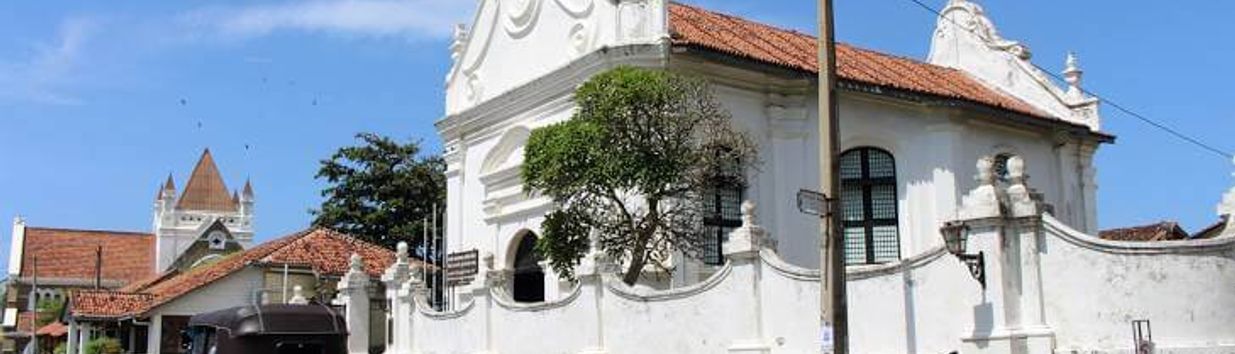
The Dutch Reformed Church, also known as the Groote Kerk, is a remarkable piece of Galle's rich colonial tapestry, nestled in the heart of the Galle Fort in Sri Lanka. This historic church, with its unassuming exterior, stands as a testament to the Dutch colonial era of the 17th and 18th centuries. Upon stepping inside, you're instantly transported back in time, surrounded by intricately carved wooden pews, a striking baroque pulpit, and memorial tablets that whisper tales of a bygone era.

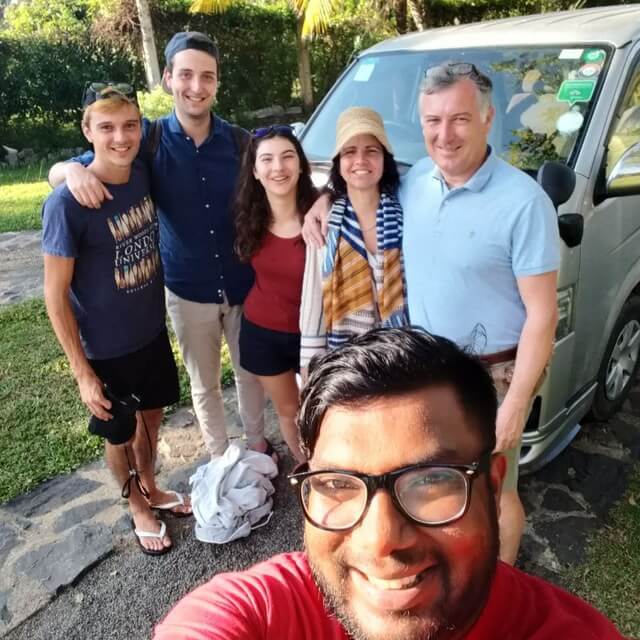
Explore the best of Sri Lanka’s southern coast on our Private Galle Instagram Tour! Visit iconic spots like Galle Fort, the famous lighthouse, Dalawella Beach...
I often tell visitors that this church is not just a place of worship but a chronicle of a significant period in the island's history. The Church's floor, paved with gravestones from the old Dutch cemetery, and the organ loft speak volumes about the European influence that once dominated this coastal town. As you walk along the aisles, you feel a palpable sense of history under your feet and an atmosphere of solemn reverence.
The foundation stone of the Dutch Reformed Church was laid in 1755, replacing an earlier structure that stood on the same ground. The church was completed in 1775 and was one of the main religious structures built under the Dutch colonial rule in Sri Lanka. The Dutch, who seized control of Galle from the Portuguese in 1640, left an indelible mark on the architectural landscape of the town, with the church being one of the standouts.
Throughout the centuries, the church has borne witness to the ebb and flow of Galle’s fortunes. It has seen the arrival of the British and stood steady through Sri Lanka's journey to independence. The edifice, while enduring the ravages of time and climate, has undergone several restorations to preserve its structural integrity and historical significance. Interestingly, the original belfry was atop the main structure, but due to a lightning strike, it was moved to a separate bell tower.
This church has served as a central point of the Protestant Christian community in Galle. Over the years, the Dutch Reformed Church has remained an active place of worship while also becoming a beloved landmark that continues to attract those interested in the country's colonial history and architectural heritage.
The Dutch Reformed Church's importance lies in its encapsulation of a pivotal era in Sri Lankan history—an era where European powers were as much agents of change as they were overseers of empire-building. The church is not only important for its religious significance to the local Protestant community but also as a historical site that offers a glimpse into the past European influence on the island.
It is an enduring symbol of colonial architecture with its fusion of European design and the use of local materials and techniques. This blend is what makes the church uniquely Sri Lankan, despite its foreign origins. Furthermore, it is a UNESCO World Heritage Site as part of the historic Galle Fort, which underlines its cultural and historical significance on a global scale.
Local historians and guides, including myself, often highlight the church as an integral part of the story of Galle—a tale that includes trade, conquest, and coalescence of various cultures. It's not just about who built it and when; it's about how it has woven into the fabric of local life and culture, standing resiliently as the world around it transformed.
Upon visiting the Dutch Reformed Church, you can admire the detailed hand-carved woodwork, including the church's pulpit, lectern, and choir stalls, which showcase the artistry of the time. The pulpit, in particular, is renowned for its intricacy and is considered one of the most magnificent of its kind in the country. It's one of the first things I point out to visitors as it reflects the wealth and importance of the church in the past.

Take the time to observe the ornate organ, a relatively rare sight in the country, and delve into the inscriptions and epitaphs on the gravestones laid into the floor of the church. These stones tell their own tales of those who came before, providing a personal thread to the historical tapestry of Galle. Photographers and history enthusiasts often find themselves captivated by the antiquity and atmosphere.
Outside, explore the grounds and the tranquil churchyard where ancient tombs and belfry provide further insight into the era's aesthetic and traditions. The surrounding area is perfect for a leisurely stroll around the Galle Fort, offering expansive views of the Indian Ocean and a chance to immerse yourself in the unique ambience of the fort's streets and ramparts.
| 📌 Address | 26H8+7RQ, Galle 80000, Sri Lanka |
| ⏰ Opening Hours | 6:00 AM - 9:00 PM |
| 💸 Entrance Fee | Free |
The Dutch Reformed Church in Galle, also known as Groote Kerk, is known for its rich history dating back to the 17th century. It serves as a remnant of the Dutch colonial period in Sri Lanka and is recognized for its unique architecture, including the original organ and an impressive pulpit made from calamander wood.
The Dutch Reformed Church in Galle was completed in 1755. It stands as one of the oldest Protestant churches still in use in Sri Lanka and showcases over 260 years of history.
Yes, tourists can visit the Dutch Reformed Church. It is a popular historical site and is open to the public, offering visitors a glimpse into the colonial past of Galle. However, visitors are advised to check the opening hours in advance and be mindful of any religious services occurring during their visit.
Inside the Dutch Reformed Church, one can find an array of notable features such as the elaborately carved pulpit, church pews with Dutch inscriptions, the organ, and gravestones embedded in the floor that commemorate the Dutch settlers and high-ranking officials from the colonial era.
The Dutch Reformed Church does not typically charge an entrance fee, but donations are welcomed for the maintenance and preservation of this historical building. Visitors should check the latest information before their visit as policies may change.