+1 617 404 2125
Pulau Kalong




Search


| 📌 Address | Pulau Kalong, Komodo, West Manggarai Regency, East Nusa Tenggara, Indonesia |
| ⏰ Opening Hours | 8:00 AM - 5:00 PM |
| 💸 Entrance Fee | Free |

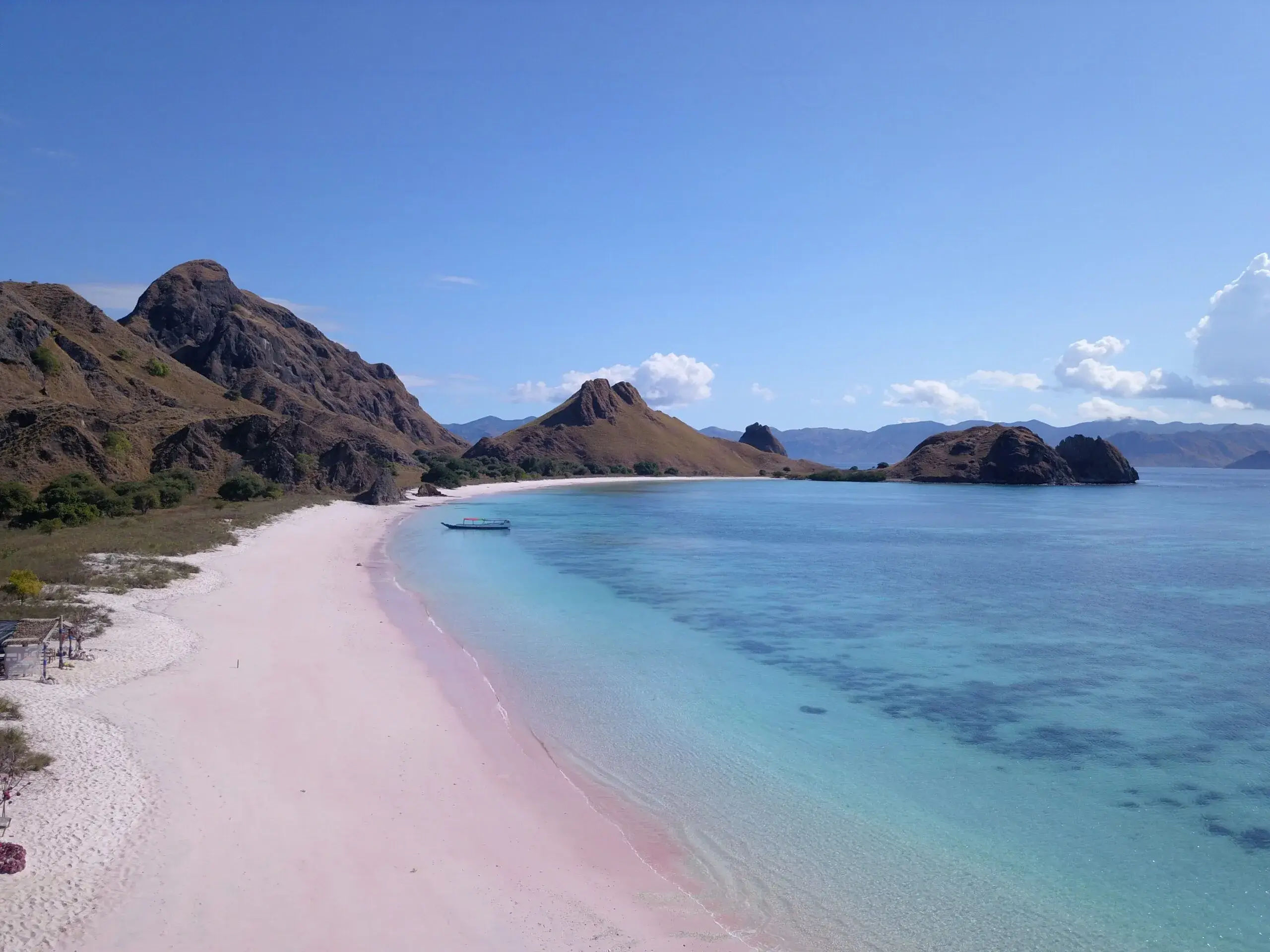
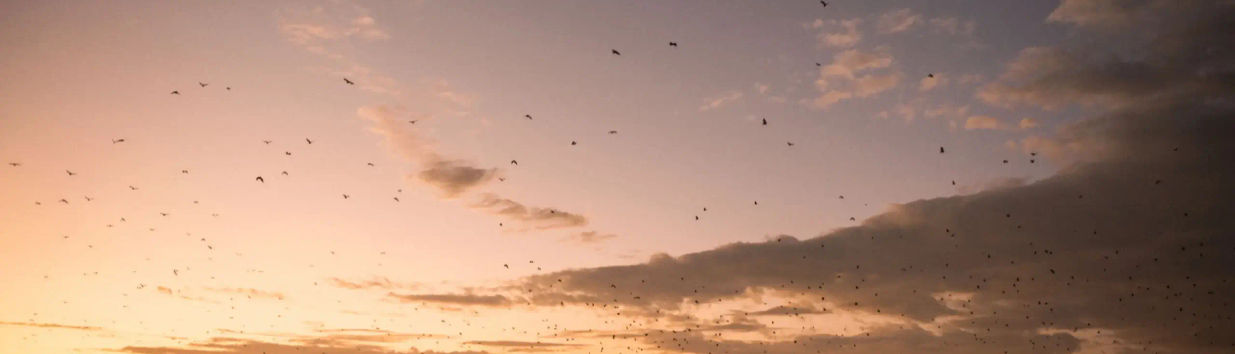
Pulau Kalong, often overshadowed by its famous neighbor Komodo Island, is an enchanting islet within the Komodo National Park of Indonesia. Known for its unique natural phenomenon, Pulau Kalong—which translates to 'Bat Island' in English—is a serene sanctuary where thousands of flying foxes, or fruit bats, reside amongst the dense mangroves. As the sun dips below the horizon, these nocturnal creatures awaken and take to the skies in a breathtaking exodus that paints the sky.

Looking for a tour in Bali to show you the best of the island’s natural beauty? The Sekumpul & Aling Aling Waterfall Tour tour takes you to some of the most b...
The island itself may not be the largest or the most visited within the park, but what it lacks in size, it more than compensates for with its spellbinding sunset spectacle. Although it’s inaccessible for tourists to land on, the surrounding waters offer a tranquil spot to anchor and observe this natural wonder, as well as providing an excellent vantage point for photography and quiet reflection.
The history of Pulau Kalong is as mysterious as the nightly flight of its bats. While there's not a lot of written history about the island itself, it's an integral part of the Komodo National Park, which was established in 1980 to protect the Komodo dragon and its habitat. The park and nearby islands, including Pulau Kalong, were later declared a UNESCO World Heritage Site and a Man and Biosphere Reserve due to the area's rich biodiversity.
This region is not only significant ecologically but also culturally, with ancient fishing communities such as the Bugis and Bajau peoples who have navigated and relied on these waters for centuries. Their traditional knowledge and seafaring ways have shaped the conservation efforts and sustainable tourism practices in Komodo National Park today.
Pulau Kalong's significance lies largely in its environmental contributions. The nightly flight of the bats offers a clear indication of the health of the ecosystem, acting as pollinators and seed dispersers, which are critical roles in maintaining the rich biodiversity of the park. Additionally, their presence is a key attraction that draws eco-tourists to the region, playing a subtle, yet vital, role in the local economy.
With the growing emphasis on eco-tourism, Pulau Kalong serves as a perfect example of how minimal human interaction can protect nature while allowing it to be a source of wonder for visitors. Such sites underscore the importance of balanced curations in tourism, where humans can witness spectacular natural events without causing harm or disruption to the habitat.
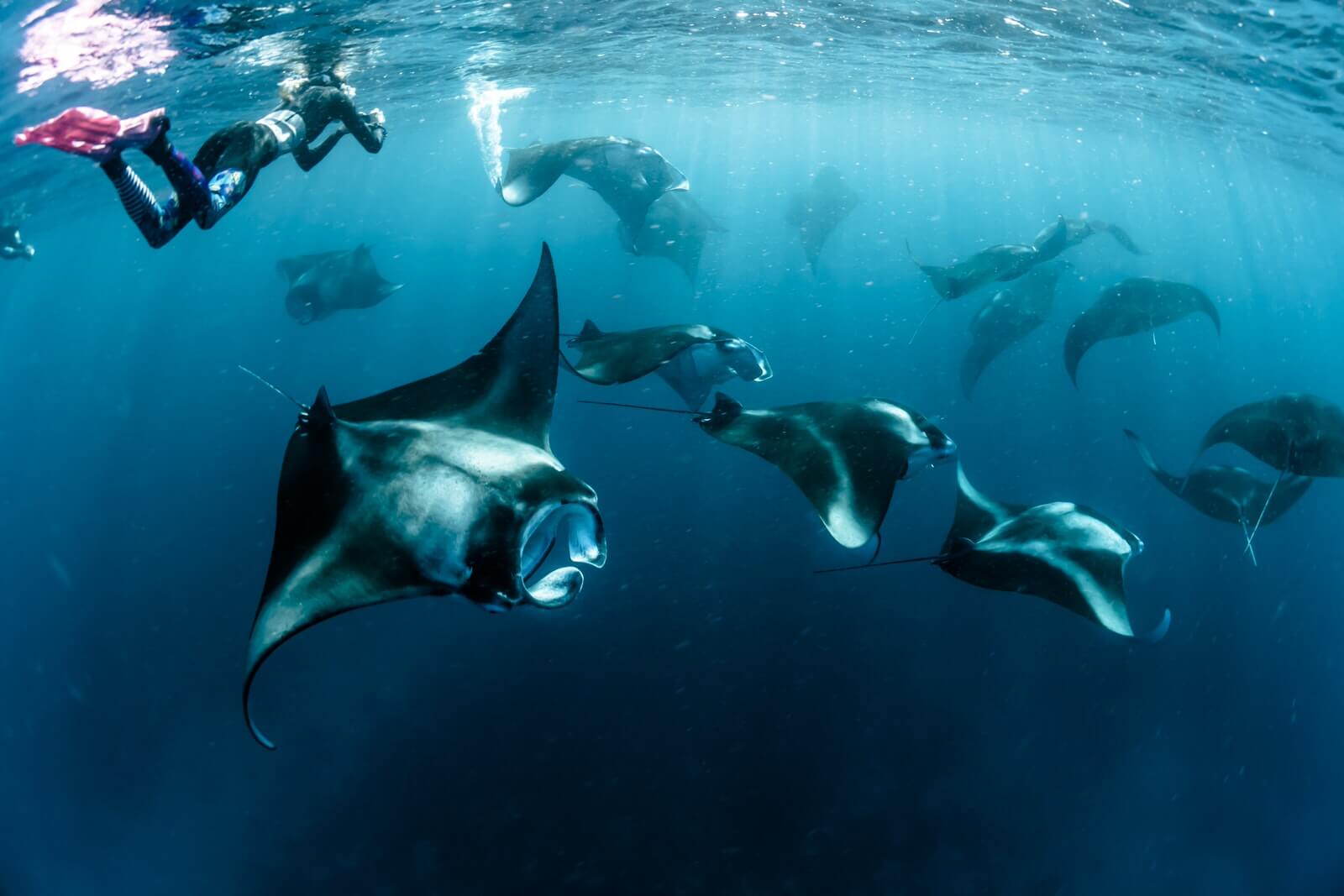
Viewing the sorcery of bats taking flight at dusk is the main draw of Pulau Kalong. Yet, while that may be the signature experience, there's more to savor in the ambient waters. Snorkeling and diving around the island reveal thriving marine life, from beautiful coral gardens to a variety of fish species—each dive a new discovery.

The best experience is often a quiet contemplation as dusk settles. The chorus of bats piercing the silence of the evening, paired with the subtle splash of the ocean against your boat, creates an unforgettable moment of connection with nature. And while Pulau Kalong may not have the same fame as its neighbor, Komodo Island, it offers a more intimate and introspective encounter with the wild—a gem for those who seek the path less travelled.
| 📌 Address | Pulau Kalong, Komodo, West Manggarai Regency, East Nusa Tenggara, Indonesia |
| ⏰ Opening Hours | 8:00 AM - 5:00 PM |
| 💸 Entrance Fee | Free |
Pulau Kalong is an island within the Komodo National Park in Indonesia known primarily for the thousands of fruit bats that inhabit it, which create a unique spectacle when they take flight at dusk.
Visitors can reach Pulau Kalong by booking a boat tour from the nearby islands of Komodo or Rinca, as it is usually included in the itinerary for trips in the Komodo National Park.
The best time to visit Pulau Kalong is in the late afternoon or evening to observe the fruit bats leaving their roosts to look for food, which is an extraordinary natural event.
There are no accommodations on Pulau Kalong itself as it is uninhabited and preserved for wildlife, but visitors can find lodging on the nearby islands of Komodo and Flores.
Visiting Pulau Kalong is generally safe, but as with any wildlife area, it is important to respect the animals and their environment and to follow the safety guidelines provided by your tour operator.