


 +1 617 404 2125


How to Travel with Kids Without the Stress

BY Diandra
1 year ago


How to Travel with Kids Without the Stress
Traveling with kids isn't about surviving a vacation; it's about learning a whole new way to explore the world together. If I could boil down years of family trips into one sentence, it would be this: plan smart, pack light, and stay flexible. It’s a complete mindset shift. You have to let go of the idea of a perfectly scheduled itinerary and embrace a go-with-the-flow adventure where making memories is the only thing on the agenda.
Your Foundation for Stress-Free Family Travel
The real secret to an amazing family trip isn't a flawless schedule—it's building a solid foundation of realistic expectations and getting everyone excited from day one. So many parents I know get tangled up in massive checklists and the pressure to create a "perfect" Instagram-worthy experience. My advice? Ditch that pressure. Focus on creating a simple framework that leaves room for spontaneity and joy. That's how you turn potential meltdowns into the moments you'll laugh about for years.
This isn't just generic advice; these are the practical strategies that seasoned family travelers swear by. And it all starts long before you even think about packing a suitcase. The very first step is picking a destination that genuinely works for everyone in the family, from the toddler who still needs a solid nap schedule to the teenager who’s craving a little freedom.
Involve Everyone From the Beginning
Want to know one of the most effective ways to guarantee a smoother trip? Build up the excitement early by getting the kids involved in the planning. Instead of a big surprise reveal, turn the planning into part of the fun. Show them pictures of the hotel pool, watch a few travel vlogs about your destination, and—this is the important part—let them have a real say in some of the activities.
When a kid feels like a co-planner, their investment in the trip skyrockets. It's no longer a vacation that's happening to them; it's an adventure they're helping to create.
For the little ones, this could be as simple as choosing between the aquarium and the zoo. For older kids and teens, give them a challenge. Ask them to research and pitch a full day's worth of activities, complete with a budget. It builds their excitement and sneakily teaches them some valuable planning skills.
The goal isn't to give up all control. It's about fostering a sense of shared ownership. When your kids feel like their opinions matter, they are so much more likely to be cooperative and engaged once you're actually on the road.
This handy visual breaks down the whole process, from the first spark of an idea to the final booking.
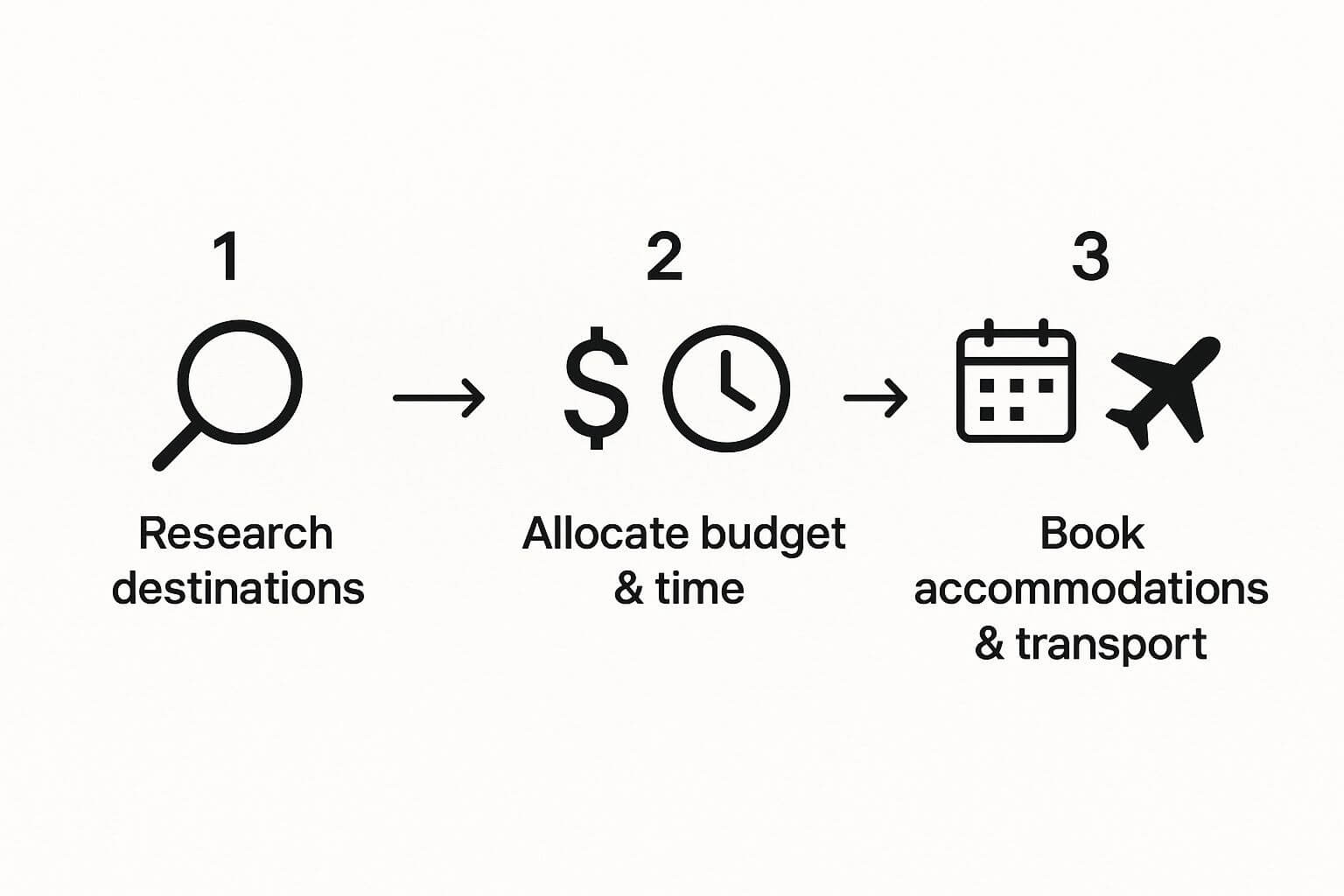
Seeing the journey laid out like this can make what feels like a huge task seem much more manageable.
To help you get started, here's a quick rundown of the essential planning stages.
Quick Guide to Key Planning Stages
This table summarizes the core phases of planning a family trip that everyone will actually enjoy. It’s all about breaking it down into manageable steps.
| Planning Phase | Key Action | Pro Tip |
|---|---|---|
| Dream & Discover | Involve kids in choosing a destination. Watch videos, look at maps, and get excited together. | For younger kids, give them two or three pre-approved options to choose from so they feel empowered. |
| Logistics & Booking | Book kid-friendly accommodations and flights with reasonable travel times. | Look for hotels with pools, free breakfast, or suite-style rooms. These small perks make a huge difference. |
| Itinerary Sketching | Plan one main activity per day and leave the rest of the time flexible for spontaneous fun. | Always have a backup plan for a rainy day, like a local museum or an indoor play area. |
| Final Prep | Pack smart (less is more!), confirm all reservations, and talk to your kids about the travel day. | Pack a "first-day" bag with swimsuits and essentials so you can jump right into the fun without unpacking everything. |
By tackling these stages one by one, the whole process becomes far less overwhelming and a lot more exciting.
Set Realistic Expectations for Your Trip
Here it is, the most powerful tool in your family travel toolkit: a flexible attitude. A trip with kids will never look like your solo backpacking days or that quiet romantic getaway you once took. And that is more than okay. Meltdowns are going to happen. Plans will change. Unexpected detours will pop up.
The trick is to lean into the imperfection. Instead of cramming your schedule full of landmarks, prioritize a balanced pace with tons of downtime. I'm serious—build "do nothing" time into your itinerary every single day. This could be a lazy afternoon by the hotel pool or a quiet morning just hanging out at a local playground. It lets everyone recharge.
Keep these core principles in mind:
- Prioritize Downtime: Overtired and overstimulated kids (and parents!) are the number one cause of vacation stress. Don't skip the naps and quiet time.
- Embrace Flexibility: Be ready and willing to ditch a plan if it's just not working. Sometimes the best memories are made when you go off-script.
- Focus on Connection: The real measure of a successful family trip isn't how many sights you crossed off a list, but the quality time you spent together.
When you establish this mindset from the very beginning, you’re not just planning a vacation; you’re setting the stage for an adventure you’ll all genuinely enjoy. This foundation makes every other step, from packing the bags to navigating the airport, so much easier.
Choosing the Right Destinations and Stays
Finding the right place to go is truly half the battle when you travel with kids. A destination that fits your family's unique rhythm can transform a good trip into an unforgettable one. It’s less about ticking off famous landmarks and more about finding a setting where your kids can explore safely and you can genuinely unwind.
Before you even start looking at hotels, think about the kind of pace you want on vacation. Are you craving the energy of a city with easy access to museums and parks? Or does a quiet beachfront where the kids can spend hours digging in the sand sound more like paradise? Matching the destination's vibe to your family's energy level is the secret to a successful trip.
All-Inclusive Resorts vs. Vacation Rentals
Once you have a general location in mind, the next big decision is where to stay. The two most popular options for families—all-inclusive resorts and vacation rentals (think Airbnb or VRBO)—offer completely different experiences. There's no single "best" choice; it all comes down to what your family values most on a getaway.
An all-inclusive resort is built for pure convenience. Meals, activities, and often even childcare are bundled into one price, which takes a ton of daily decision-making off your plate. This can be a huge relief, especially if you're looking for a trip where you can truly switch off and just relax.
On the flip side, a vacation rental offers the priceless combination of space and flexibility. Having a separate bedroom for the kids, a living room to hang out in after they go to sleep, and a kitchen for whipping up familiar snacks or easy meals can be a total game-changer. This setup often feels much more like a home away from home.
To help you figure out what’s right for you, here’s a quick breakdown:
| Feature | All-Inclusive Resort | Vacation Rental |
|---|---|---|
| Meals | Everything's included, often with tons of restaurant choices. No cooking required. | A full kitchen means you can cook your own meals and stock up on familiar foods. |
| Activities | Built-in entertainment is standard, with on-site kids' clubs and pools. | You're in charge of your own schedule and finding local attractions. |
| Space | Usually a single hotel room, though you can sometimes find family suites. | Multiple rooms give you privacy and separate sleeping areas for everyone. |
| Convenience | Maximum convenience—everything you need is in one place, hands-down. | You'll need to plan more for meals, groceries, and daily activities. |
| Cost | The upfront cost is higher, but almost every expense is covered. | Can be more budget-friendly, especially for bigger families or longer stays. |
Ultimately, it comes down to your travel style. If you want a vacation with minimal planning and maximum relaxation, an all-inclusive is probably your jam. But if you value space, freedom, and a more local feel, a vacation rental is likely the better fit.
Must-Have Amenities for Kid-Friendly Stays
No matter which type of accommodation you pick, certain amenities are non-negotiable when you're traveling with little ones. Hunting for these features when you book will pay off big time once you arrive. A seemingly small detail can honestly make or break a trip.
Here are the key things I always look for:
- Separate Sleeping Spaces: Even a simple room divider can save your sanity. It means you don't have to sit in the dark from 7 p.m. just because the baby is asleep.
- A Kitchenette or Mini-Fridge: This is absolutely essential for storing milk, yogurt, fruit, and leftovers. Having familiar snacks on demand prevents so many hunger-related meltdowns.
- On-Site Laundry: Kids are messy. There's just no way around it. The ability to do a quick load of laundry means you can pack significantly less.
- A Bathtub: While not a deal-breaker for older kids, a tub is a must-have for washing sandy toddlers and babies after a long day of fun.
- Blackout Curtains: These are your best friend for preserving nap schedules and helping everyone adjust to a new time zone without waking up at the crack of dawn.
Don't just look at the pictures; dive into the reviews from other families. They often mention the small but crucial details that aren't in the official description, like a noisy elevator right next to the room or a hidden playground just around the corner.
Planning for Multigenerational Travel
A huge trend we're seeing is families traveling with grandparents, aunts, and uncles in tow. This can be an absolutely incredible way to make memories across generations, but it requires some thoughtful planning to keep everyone happy. The key is to balance group activities with individual interests and plenty of downtime.
This rise in multigenerational travel is a big deal. In fact, one study found that 74% of parents are now open to vacations that include extended family, and over half are choosing destinations specifically because they cater to a wide range of ages. You can explore more about this trend and its impact in the full 2025 travel trends report.
When planning a trip for a large family group, look for accommodations like connecting hotel rooms or a large vacation home. The goal is to find a place that offers both communal spaces for hanging out and private retreats for when people need a break. It’s all about creating a flexible environment that respects everyone’s pace.
The Smart Way to Pack for Your Family
Let’s be honest, packing for a family trip can feel like a high-stakes game of Tetris mixed with a frantic memory test. That nagging fear of forgetting one critical item—a favorite stuffed animal, the right phone charger, or essential medicine—is enough to spike anyone's stress levels. But it doesn't have to be this way. I’ve learned to ditch the endless checklists and lean on a practical system that helps our family pack lighter, smarter, and with way less anxiety.
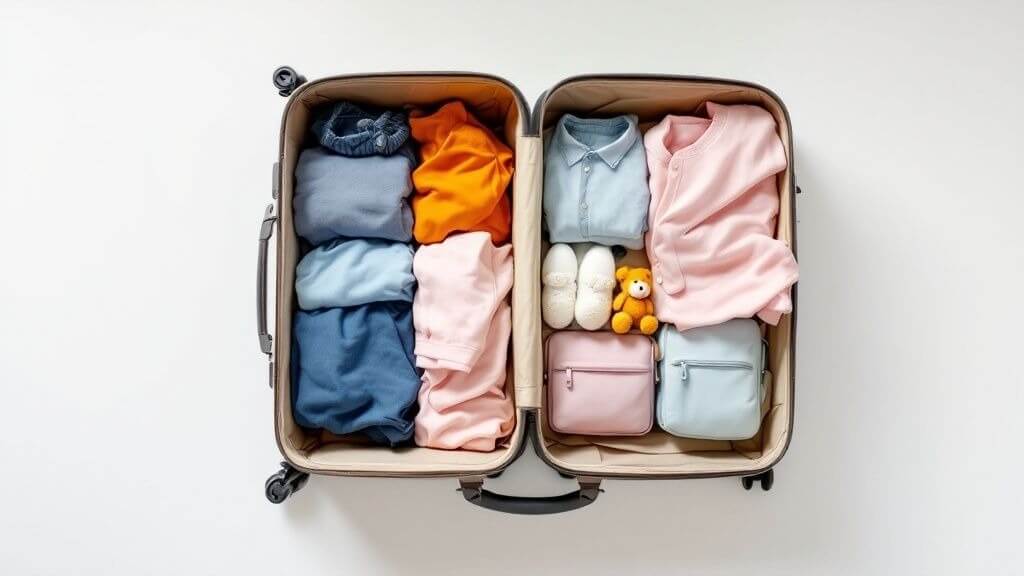
The real goal isn't just stuffing everything into a suitcase. It's about organizing your gear so it actually works for you when you arrive. A well-packed bag is the difference between a smooth start to your vacation and a chaotic scramble through a messy suitcase every single morning. It’s all about creating order before you even walk out the door.
Embrace the Magic of Packing Cubes
If there's one single tool that will completely change your family packing game, it’s packing cubes. These simple fabric organizers are the secret weapon against the dreaded suitcase rummage. No more digging through a mountain of clothes just to find a matching shirt and shorts.
Here’s a method that has worked wonders for us: give each child their own set of cubes, one for each day of the trip. I label each cube with the day of the week and pack a complete outfit inside—shirt, pants, socks, the works. When it's time to get dressed, you just hand your kid their cube for the day. No decisions, no mess, no frantic searching.
This little trick not only keeps the main suitcase tidy but also empowers older kids to get themselves ready. It’s a small change that brings a massive amount of order to your travel routine.
Master the In-Transit Go-Bag
Think of your carry-on or "go-bag" as your command center for travel days. This bag needs to hold everything you'll need to survive the journey from your front door to your hotel room, especially with tired kids and unexpected delays.
A well-stocked go-bag is your first line of defense against meltdowns. Here’s what I always make sure is inside mine:
- A Full Change of Clothes: I pack one for each kid in a large zip-top bag. This contains any spills and keeps the clean outfit fresh. And trust me, don’t forget a spare shirt for yourself!
- Snacks, Snacks, and More Snacks: Always pack more than you think you'll need. Familiar snacks from home are comforting and a perfect cure for hunger-related crankiness.
- Entertainment Arsenal: I bring a mix of screen-based and screen-free options. I'll download new shows onto a tablet, but also throw in a fresh coloring book, a small toy, or a chapter book to keep them engaged.
- Mini First-Aid Kit: This is for the basics—bandages, antiseptic wipes, pain reliever, and any personal medications you can't risk losing.
A thoughtfully prepared go-bag means you won't have to tear apart your checked luggage in an airport lobby just to find a fresh pair of pants or a granola bar. It keeps all your in-transit essentials right at your fingertips.
Pack Smart by Age Group
What you pack will obviously change as your kids grow up. A bag for an infant looks completely different from one for a teenager. The key is to focus on the absolute must-haves for each stage and resist the urge to pack every "just-in-case" item.
For infants and toddlers, portability is everything. A lightweight travel stroller is a given, but a baby carrier is often the real MVP. It’s invaluable for navigating crowded airports, train stations, or those charming cobblestone streets where a stroller just won't cut it. Pack enough diapers and formula for the first couple of days, but plan to buy more at your destination to save that precious luggage space.
With school-aged kids, the focus shifts to entertainment and comfort. Let them pack their own small backpack with their chosen books, toys, and headphones. Giving them their own bag fosters a sense of responsibility and ensures their favorite things are always within reach.
For teenagers, it’s all about the tech. A portable power bank is non-negotiable for keeping their devices charged. I also highly recommend packing a multi-port USB charger to prevent squabbles over the limited outlets in a hotel room. By catering to their specific needs, you’re setting everyone up for a much more peaceful journey.
Navigating Airports and Flights Like a Seasoned Pro
For so many parents, this is the big one. The airport and the flight itself can feel like the most daunting part of the whole trip. It's where you have the least control—long lines, cramped spaces, and the ever-present possibility of a toddler meltdown in front of hundreds of strangers.
But trust me, with a little bit of smart planning, the travel day doesn't have to be something you just survive. You can actually turn it into a smooth, even fun, part of the adventure. It’s not about luck; it’s about having a game plan for the most common pain points. A few pro moves can make a world of difference, from breezing through security to keeping everyone happy at 30,000 feet.
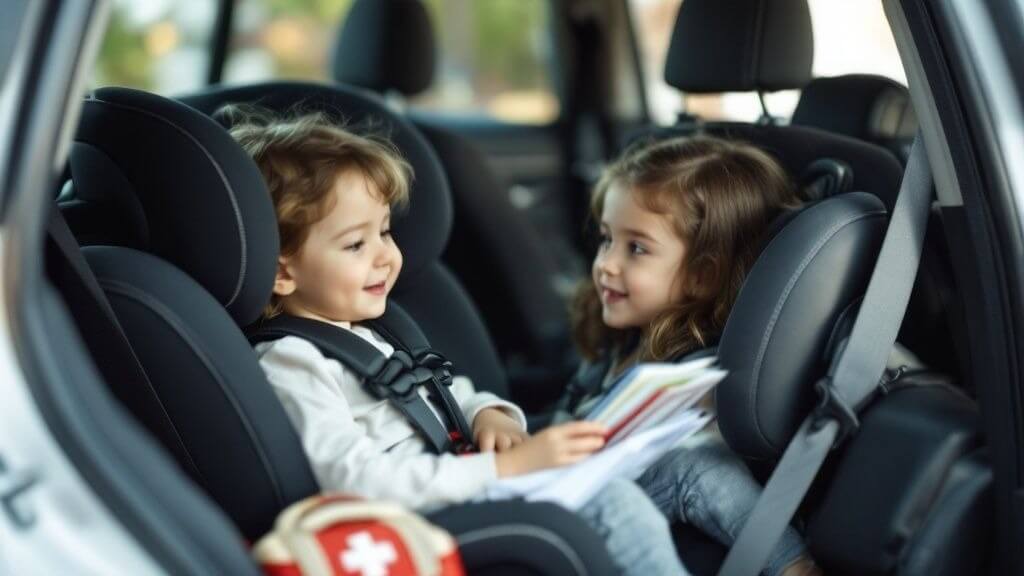
Getting Through Airport Security Without Tears
The security line is usually the first real test of everyone's patience. The trick? Be ready before you even get there. Have all your liquids bagged up and sitting right at the top of a carry-on. Laptops and tablets should be in an easily accessible pocket, not buried under three packing cubes.
A huge tip is to talk your kids through the process beforehand. A simple, "Okay, your backpack and teddy are going to go for a ride on this little belt, and we'll pick them up right on the other side" can prevent a full-blown panic.
- Dress for success: Think slip-on shoes for everyone. Avoid belts, clunky jewelry, or anything else that might trigger the metal detector and slow you down.
- Stroller strategy: You'll need to fold your stroller and put it on the scanner belt. Make sure it's completely empty before it's your turn.
- Divide and conquer: If two adults are traveling, give each other jobs. One parent is on kid duty, keeping them calm and occupied. The other is the luggage captain, responsible for getting everything on and off the belt.
How to Handle Layovers and Delays
A long layover or an unexpected delay used to be my worst nightmare. Now, I just see it as bonus playtime. Many airports have caught on and built amazing kid-friendly amenities. Before you leave home, pull up a map of the airport and find the play areas, family restrooms, or even an observation deck.
If your airport is lacking in the fun department, make your own. Find an empty gate far from the crowds and let the kids run around and burn off some energy. Games as simple as "I Spy" or a terminal scavenger hunt work wonders.
The biggest mistake I see parents make is trying to force their kids to sit still and be quiet for hours. It’s a losing battle. Let them move. A tired kid is a calm kid when it’s finally time to board.
Your In-Flight Entertainment Plan
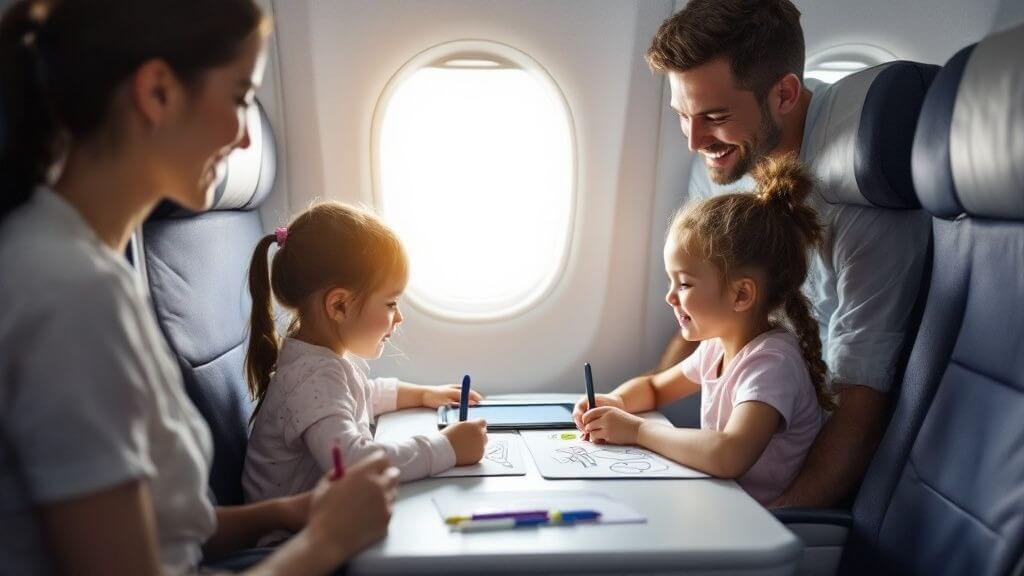
Once you're buckled in, your carry-on is your best friend. The key here is variety and the element of surprise. Don't pull out all the good stuff at once. I like to bring out a new small activity every hour to keep things from getting stale.
And while a tablet loaded with shows is a lifesaver, don't make it your only plan. Batteries die, Wi-Fi fails, and sometimes kids just get screen fatigue.
Here are a few of my go-to screen-free winners:
- Sticker Books and Window Clings: They're lightweight, make zero mess, and can easily fill a solid 30-45 minutes of quiet time.
- A New, Small Toy: Never underestimate the power of novelty. A new Matchbox car or a little figurine, wrapped up like a present, feels like a major event.
- The Almighty Snack Bag: Pack a bunch of small, easy-to-eat snacks. I use a pill organizer or a bento box to create a "snackle box"—the act of opening all the little compartments is half the fun.
Beating Ear Pressure on Takeoff and Landing
That painful ear pressure during ascent and descent is a huge source of in-flight tears for little ones. The simple act of swallowing is the best way to help their ears pop and relieve the pressure. For babies, that means timing a feeding for takeoff and landing or offering a pacifier.
For older kids, a lollipop, some chewy fruit snacks, or a water bottle with a straw does the trick. You have to get the timing right—start as soon as the plane starts rolling down the runway or when you feel that first hint of descent.
As families start traveling again in huge numbers, being prepared is everything. Recent data shows a massive 85% of families are planning trips in the next year. With this travel boom, parents are getting savvier—67% are now double-checking cancellation policies, and more than half are using experts to handle their bookings. You can get more insights on how families are planning their trips in today's travel world. It just goes to show that a little extra thought on the front end makes the entire journey that much better.
How to Build a Fun and Flexible Itinerary
Let’s be honest, the secret to an amazing family vacation isn't a military-grade, minute-by-minute schedule. It’s a balanced one. The best trips I've ever taken with my kids happened when we mastered the art of mixing exciting activities with the downtime everyone desperately needs to recharge.
It really is a mindset shift. Forget the checklist-driven approach of trying to see and do everything. Your new goal is to create a loose framework that guides your days without dictating them. This leaves plenty of room for that spontaneous playground stop or unexpected ice cream break—the moments that often become the most cherished memories.
Plan One Big Thing a Day
My go-to strategy for preventing family travel burnout is beautifully simple: anchor each day with just one big activity. This could be a museum visit, a few solid hours at the beach, or that hike you've been talking about. By focusing your energy on a single highlight, you accomplish something memorable without totally wiping everyone out.
This approach gives your day a clear purpose while leaving the surrounding hours wide open. The rest of the time can be filled with low-key exploring, naps, or just hanging out by the pool. It’s an absolute game-changer for keeping the vibe happy and relaxed.
Once your main event is done, just let the day unfold. Trust me, this is when the best, unplanned adventures tend to happen.
The Power of Scheduled Downtime
When you're traveling with kids, downtime isn't a luxury—it's a non-negotiable part of the plan. Overtired, overstimulated kids (and, let's face it, adults) are the number one cause of vacation meltdowns. The single most effective way to keep everyone’s energy and spirits high is to purposefully schedule time to do nothing at all.
"Doing nothing" doesn't have to mean being bored. Downtime can look like:
- An afternoon just splashing around at the hotel pool.
- A quiet morning at a local park or playground.
- Reading books together in your vacation rental.
- Simply taking a longer-than-usual lunch break.
Think of it as a strategic pause. It gives everyone a chance to process all the new sights and sounds. Building in these rest periods ensures you have the energy to actually enjoy the big activities you’ve planned, making the whole trip feel so much more positive.
Never underestimate the restorative power of a quiet afternoon. Scheduling these breaks is just as important as booking a tour or buying museum tickets. It’s the secret ingredient for a truly enjoyable family trip.
Get Your Kids Involved in the Planning
Want to build excitement and get everyone on the same page? Make your kids co-planners. When children have a say in the itinerary, they become so much more invested in the trip. It transforms from something that's just happening to them into an adventure they are actively helping create.
For younger kids, offer simple choices. "Should we go to the aquarium or the zoo tomorrow?" is a perfect example. For older kids and teens, you can give them a budget and ask them to research and plan a full day's outing. It not only builds anticipation but also sneakily teaches them valuable life skills.
This collaborative approach is definitely becoming the new normal. In fact, a recent study found that 81% of families now involve their kids in choosing holiday destinations. It’s part of a bigger shift toward creating experiences that cater to everyone's interests, not just the parents'. We're seeing more families looking beyond the standard beach trip, with wildlife and adventure-rich locations like Costa Rica becoming more popular for their incredible blend of education and pure fun. You can learn more about how kids are shaping family travel plans in recent travel trends.
By letting your kids contribute, you're not just building a better itinerary; you're fostering a sense of teamwork and shared adventure that will stick with them long after you've returned home.
Common Questions About Traveling with Kids
Even the most organized parent runs into questions when the reality of traveling with kids sets in. It’s totally normal. Here are some straightforward answers to the concerns we hear most often, pulled from our own real-world experiences and countless family trips.
What Is the Best Age to Start Traveling with a Child?
Honestly, there isn’t a single "best" age. The right time is whenever you feel ready to take the plunge, because every stage has its own perks and pitfalls. It's all about how you look at it.
Infants, for instance, are incredibly portable. They sleep a lot, don't need their own plane ticket, and are usually happy just being close to you. The trade-off? You’ll be hauling a lot more gear, from travel cribs to bottle warmers.
Toddlers, on the other hand, see the world with a sense of pure wonder that is an absolute joy to witness. But that comes with the need for constant supervision and the attention span of a goldfish. Then you have school-aged kids, who are fantastic travel buddies. They can help with planning, carry their own stuff, and will actually remember the trip for years to come.
The real secret isn't finding the perfect age; it's about shifting your expectations and tailoring the trip to the kids you have right now. Starting them young builds resilience and turns them into flexible, confident travelers for life.
How Do You Handle Picky Eaters While Traveling?
The first rule of feeding a picky eater on vacation is simple: you are not trying to win a food war. Your goal is just to keep them fed and energized for the day's adventure. A vacation is not the time to stress about a perfectly balanced plate.
Always, and I mean always, pack a small arsenal of familiar, non-perishable snacks you know they'll eat. Think granola bars, crackers, or those handy fruit pouches. This is your safety net for preventing a hunger-induced meltdown when you’re out exploring.
When you’re eating out, scan the menu for simple sides like rice, bread, potatoes, or plain pasta. A quick trip to a local grocery store on your first day can also be a game-changer. Stocking your room with their favorite yogurt, fruit, and cereal makes mornings and snack times a breeze.
You can encourage a "one-bite rule" to try new things, but do it without any pressure. If they refuse, just let it go. A few days of a less-than-perfect diet is perfectly fine in the grand scheme of things.
What Are the Essentials for a Kid's Carry-On Bag?
Think of your child's carry-on as the in-flight command center. It’s what stands between you and chaos, and it can solve about 90% of the problems you might face from takeoff to landing. Packing it smartly is one of the best moves you can make.
Here’s a breakdown of the absolute must-haves:
- A Solid Mix of Entertainment: Variety is your best friend here. Pack a blend of new and old favorites to keep them hooked. This could be a brand-new coloring book, a small surprise toy, and a tablet pre-loaded with their favorite shows. And please, don't forget the kid-sized headphones.
- Double the Snacks You Think You Need: Pack more snacks than you think is reasonable, and then add a few more on top of that. Delays are a real thing. Include a mix of healthy stuff and a few special treats. An empty, reusable water bottle is also a must-have to fill up after security.
- A Full Change of Clothes: Spills and accidents are pretty much a guarantee. Pack a complete change of clothes for your child (and a spare shirt for yourself!) in a big zip-top bag. It keeps the clean outfit ready to go and contains any messes later on.
- The Mini-Pharmacy: This should include wet wipes for sticky hands and faces, any prescription medications, and basics like children’s pain reliever or allergy medicine.
This little bag is your secret weapon for a smooth flight, ensuring you're ready for whatever the travel day decides to throw at you.
Ready to put these tips into action? The expert team at ForeverVacation specializes in crafting seamless, family-friendly tours that take the stress out of travel. Let us handle the planning so you can focus on making memories. Explore our all-inclusive family adventures today!
Recommended Articles


![Is Singapore safe to visit? [Updated for 2026]](https://cdn.forevervacation.com/uploads/blog/is-singapore-safe-to-visit-updated-for-2021-3080.jpg)

Get your VACATION on!
Expertly curated emails packed full of vacation inspiration, travel tips and more!