


 +1 617 404 2125


Exploring Bali’s Rice Fields – The Most Breathtaking Terraces

BY Jess Leak
1 year ago


Bali’s rice fields are a deeply rooted part of the island’s culture and traditions. The famous Subak irrigation system, a UNESCO-recognized method of cooperative water management, has allowed these terraces to thrive for generations. From the famous Tegalalang Rice Terraces near Ubud to the sprawling UNESCO-listed Jatiluwih fields, each rice terrace has its own story to tell. And the best way to experience them? Join our Bali UNESCO World Heritage Sites Tour, where expert local guides unveil the history, farming techniques, and hidden gems of these breathtaking landscapes.
So, if you’re ready to immerse yourself in one of Bali’s most iconic landscapes, let’s dive into the beauty of its rice terraces!
Why Are Bali’s Rice Fields So Special?
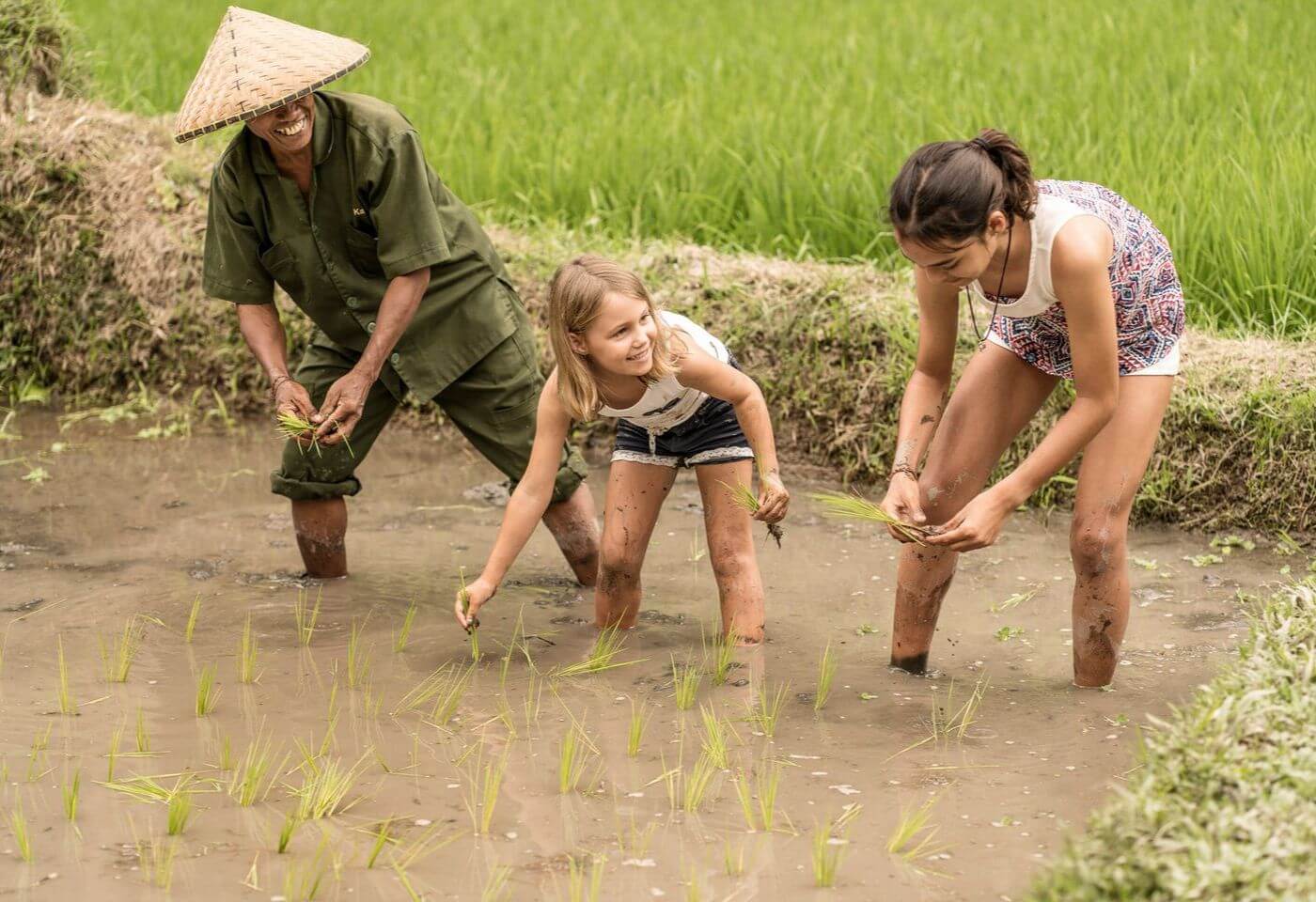
Bali’s rice fields are more than just stunning landscapes—they are the heartbeat of Balinese culture. These lush terraces represent centuries-old traditions, deep spiritual beliefs, and a way of life that has been passed down through generations. Unlike commercialized rice farms in other parts of the world, Bali’s terraces are still hand-planted, carefully maintained, and irrigated using an ancient system that reflects the island’s harmonious connection with nature.
At the core of Bali’s rice farming is the Subak system, a UNESCO-recognized community-based irrigation network that dates back over 1,000 years. It’s not just about watering crops—it’s a philosophy of balance between humans, nature, and the gods. Every rice terrace is blessed and overseen by local temples, ensuring that the land remains fertile and productive. This unique blend of sustainability, spirituality, and breathtaking beauty is what makes Bali’s rice fields some of the most enchanting in the world. Whether you're exploring Tegalalang’s famous slopes, the untouched beauty of Sidemen, or the endless green waves of Jatiluwih, you’re witnessing a living masterpiece shaped by both nature and tradition.
Our Top Trending Tours
-
All-Inclusive
-
All-Inclusive

-
All-Inclusive
The 10 Most Beautiful Rice Terraces in Bali
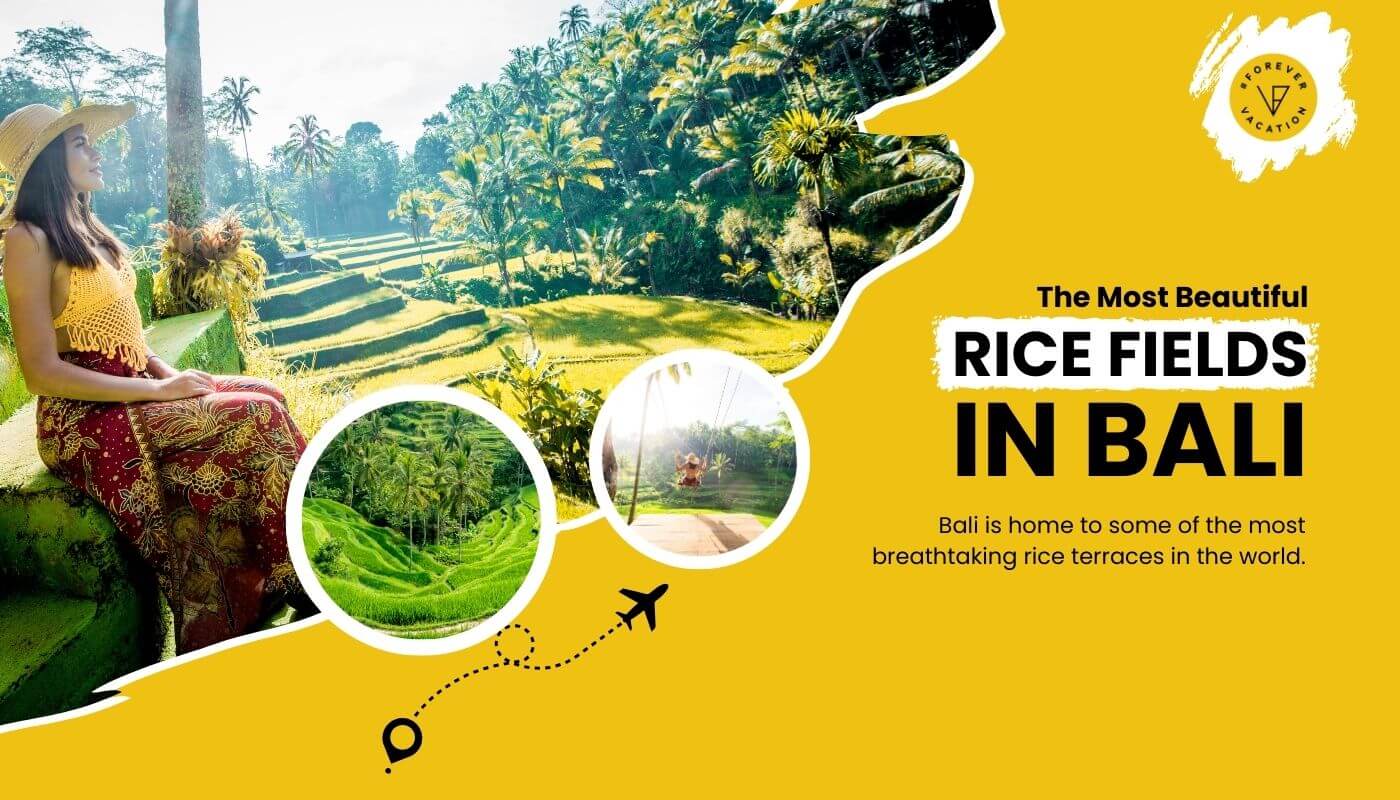
Bali is home to some of the most breathtaking rice terraces in the world, each with its own unique charm. From the famous postcard-perfect fields of Tegalalang to the remote beauty of Sidemen and Pupuan, every location offers a different experience. Whether you're looking for a quick scenic stop, a peaceful trek through the fields, or an off-the-beaten-path adventure, there’s a rice terrace for you.
Let’s explore the top 10 rice terraces in Bali that you absolutely can’t miss.
1. Tegalalang Rice Terraces – Bali’s Most Famous Rice Fields
- Location: Near Ubud
- Best for: Stunning views, Instagram shots, and easy access
- Why visit? Iconic, beautifully layered terraces with cafes, swings, and walking trails
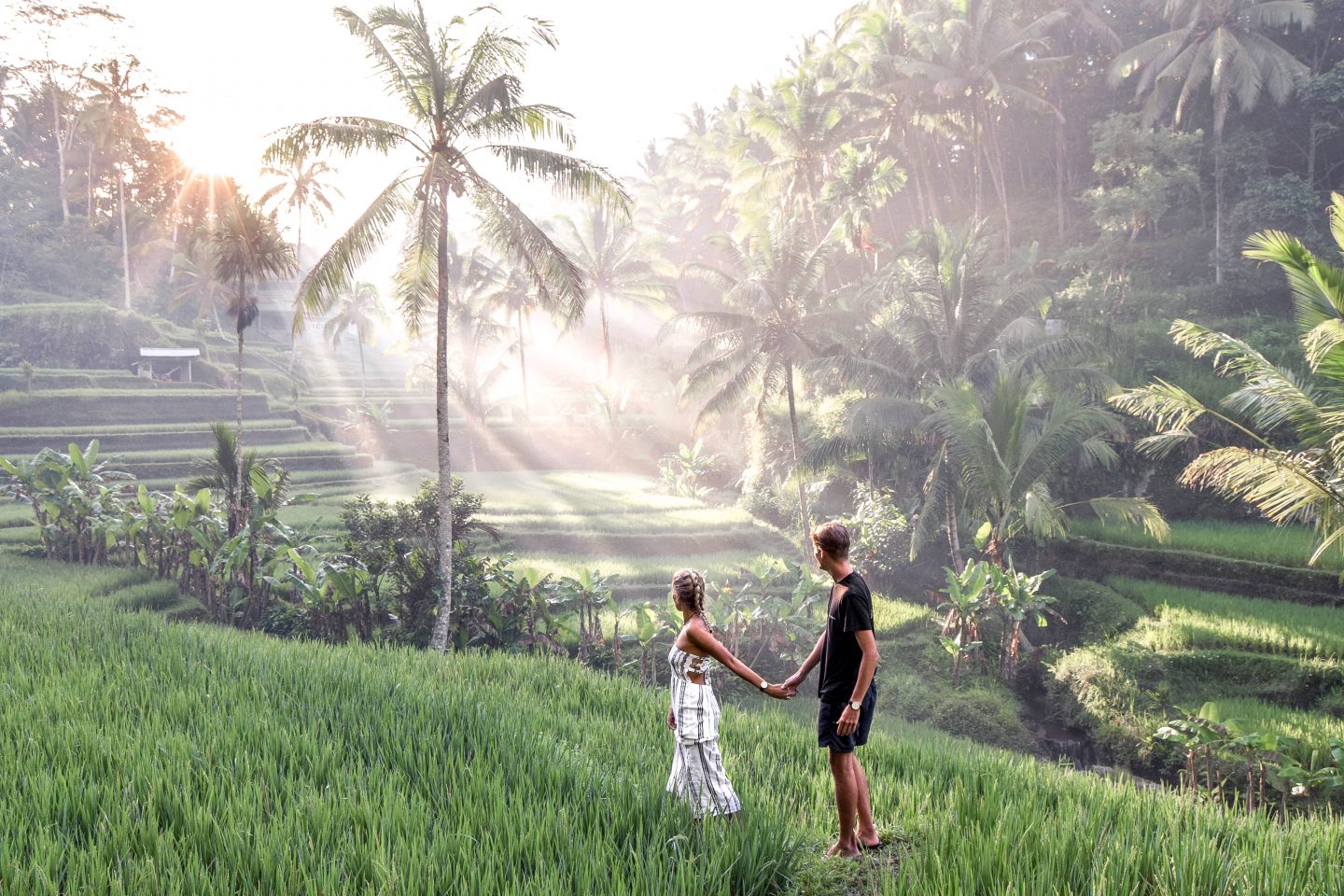
- Pro Tip: Arrive before 9 AM to avoid the crowds and get the best lighting for photos.
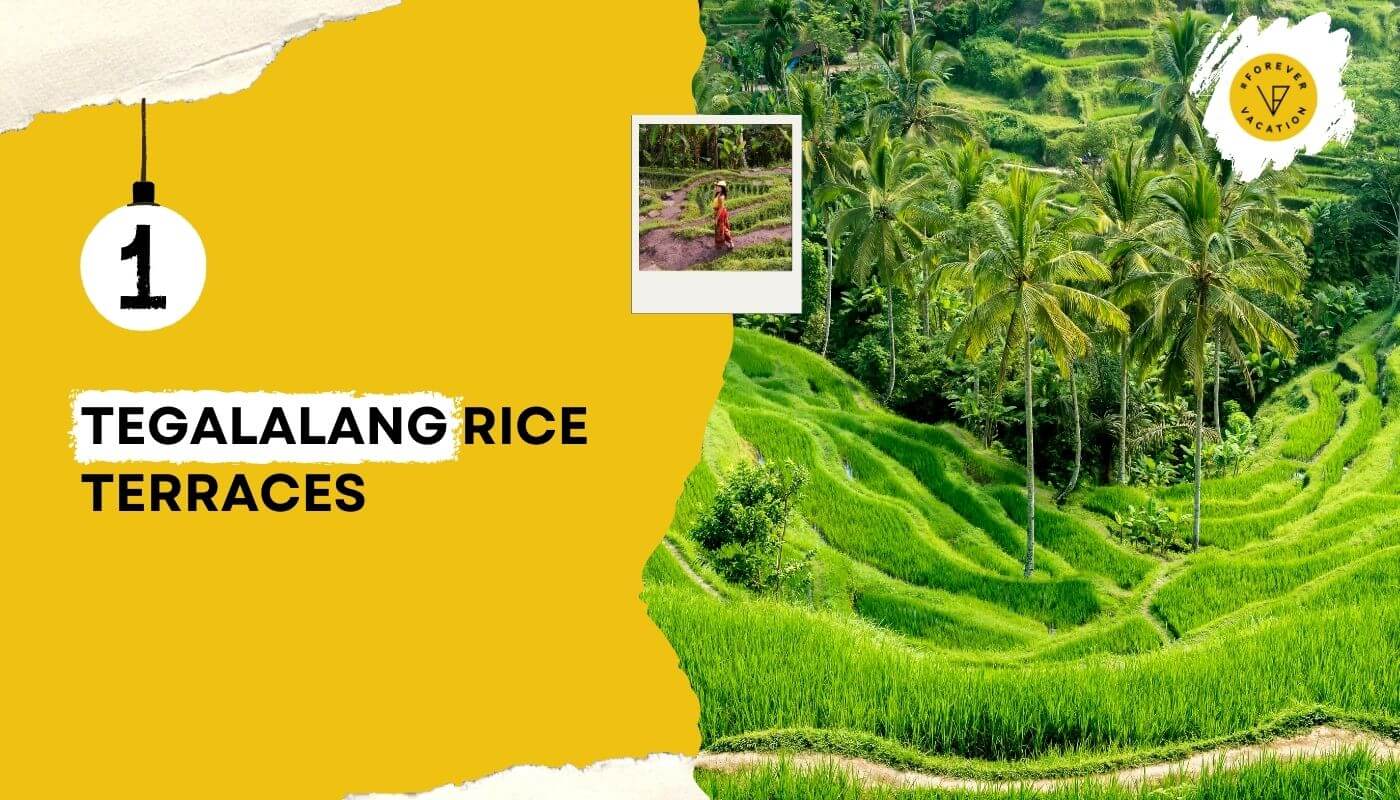
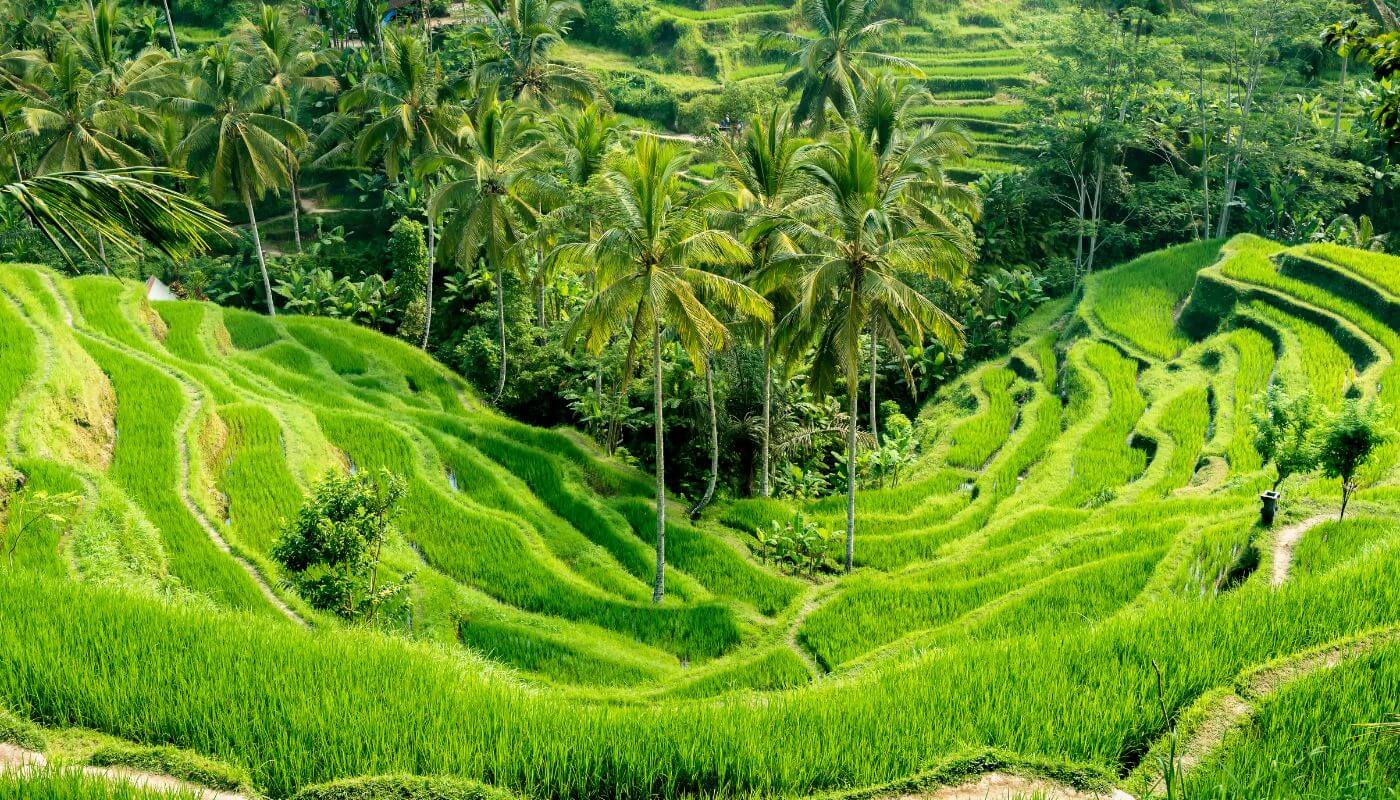
Tegalalang is hands-down Bali’s most famous rice terrace, and for good reason. Just 20 minutes from Ubud, it offers spectacular green landscapes, easily accessible trails, and plenty of cafés with rice field views. It’s one of the most photographed places in Bali, thanks to its perfectly sculpted terraces and dreamy sunlit mornings. No wonder it’s a highlight of the Bali Instagram Tour, where travelers can capture the island’s most picturesque spots.
While Tegalalang is undeniably beautiful, it can get very crowded—especially from mid-morning to early afternoon when tour groups flood in. If you want a more peaceful experience, visit early in the morning just after sunrise or late in the afternoon. You can also take a short trek into the fields and escape the busiest areas. And if you're up for a little adventure, try the famous Bali swings for a unique bird’s-eye view of the terraces!
2. Jatiluwih Rice Terraces – A UNESCO World Heritage Site
- Location: Central Bali, Tabanan Regency
- Best for: Long nature walks, fewer crowds, and cultural experiences
- Why visit? Largest rice terraces in Bali, part of the UNESCO-listed Subak irrigation system
- Pro Tip: Rent a bicycle or electric scooter to explore the vast fields at your own pace
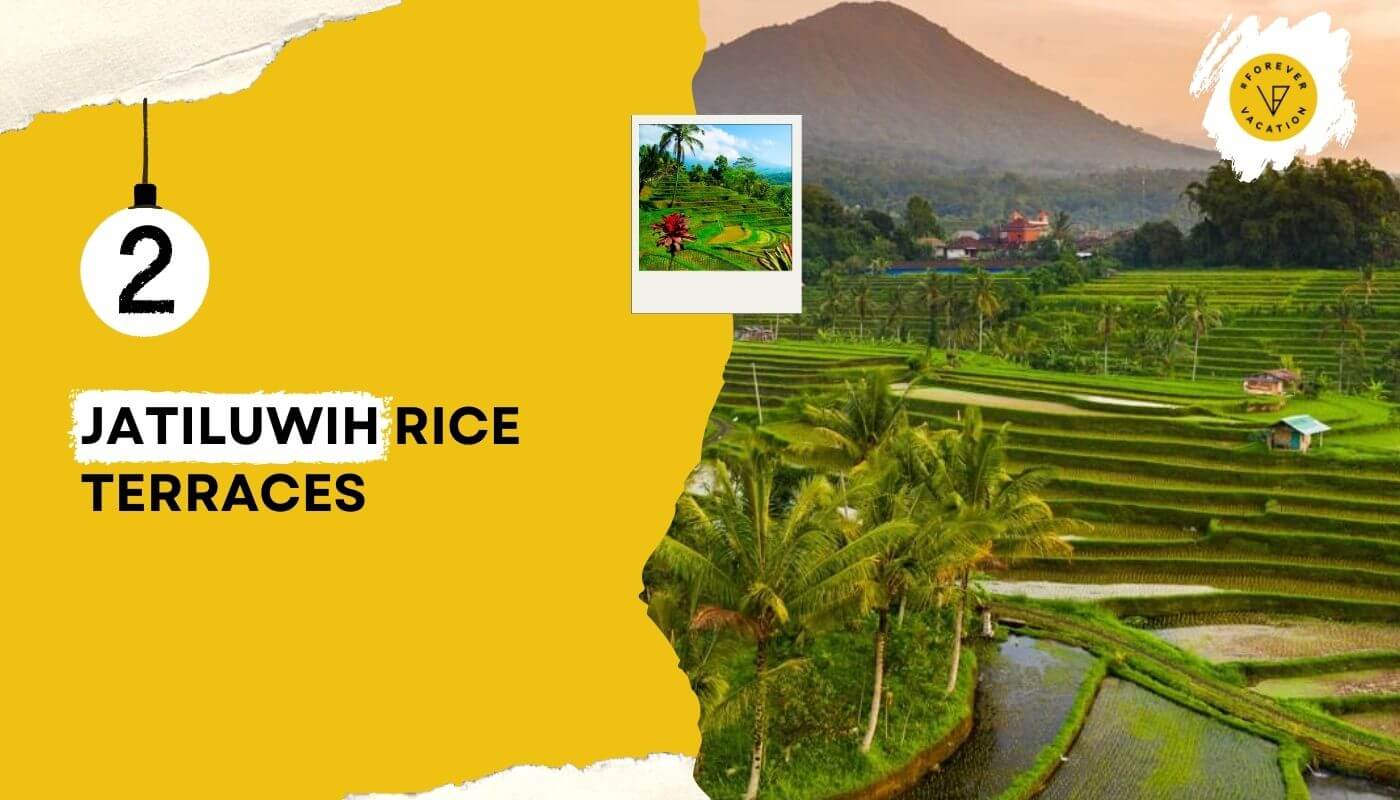
Jatiluwih is often called the most breathtaking rice terrace in Bali, and it’s easy to see why. Unlike the crowded Tegalalang terraces, Jatiluwih offers endless rolling green landscapes, peaceful surroundings, and an authentic glimpse into Balinese farming life. Covering over 600 hectares, these terraces showcase the traditional Subak irrigation system, which earned Bali a UNESCO World Heritage designation.
One of the best ways to explore Jatiluwih is by hiking along the well-marked trails or renting a bike to cycle through the fields. The paths wind through the terraces, past small temples, and alongside local farmers working in the fields. Since it’s located about an hour and a half from Ubud, Jatiluwih sees far fewer tourists than Tegalalang, making it an ideal spot for travelers looking for a quiet, immersive experience in Bali’s countryside.
Our Best Selling Tour
- All-Inclusive
- Magical Ubud Rice Terrace Tour
If when you think of Bali, you think of lush green rice terraces, tranquil spas and breathtaking waterfalls, then our Magical Ubud Rice Terrace is for you. This...
US$99/pp Learn more
3. Sidemen Rice Fields – A Hidden Gem for Tranquility
- Location: East Bali, Karangasem Regency
- Best for: Peaceful walks, cultural immersion, and off-the-beaten-path experiences
- Why visit? Less commercialized, perfect for slow travel, yoga retreats, and traditional village life
- Pro Tip: Stay overnight in a local homestay for an authentic Balinese countryside experience
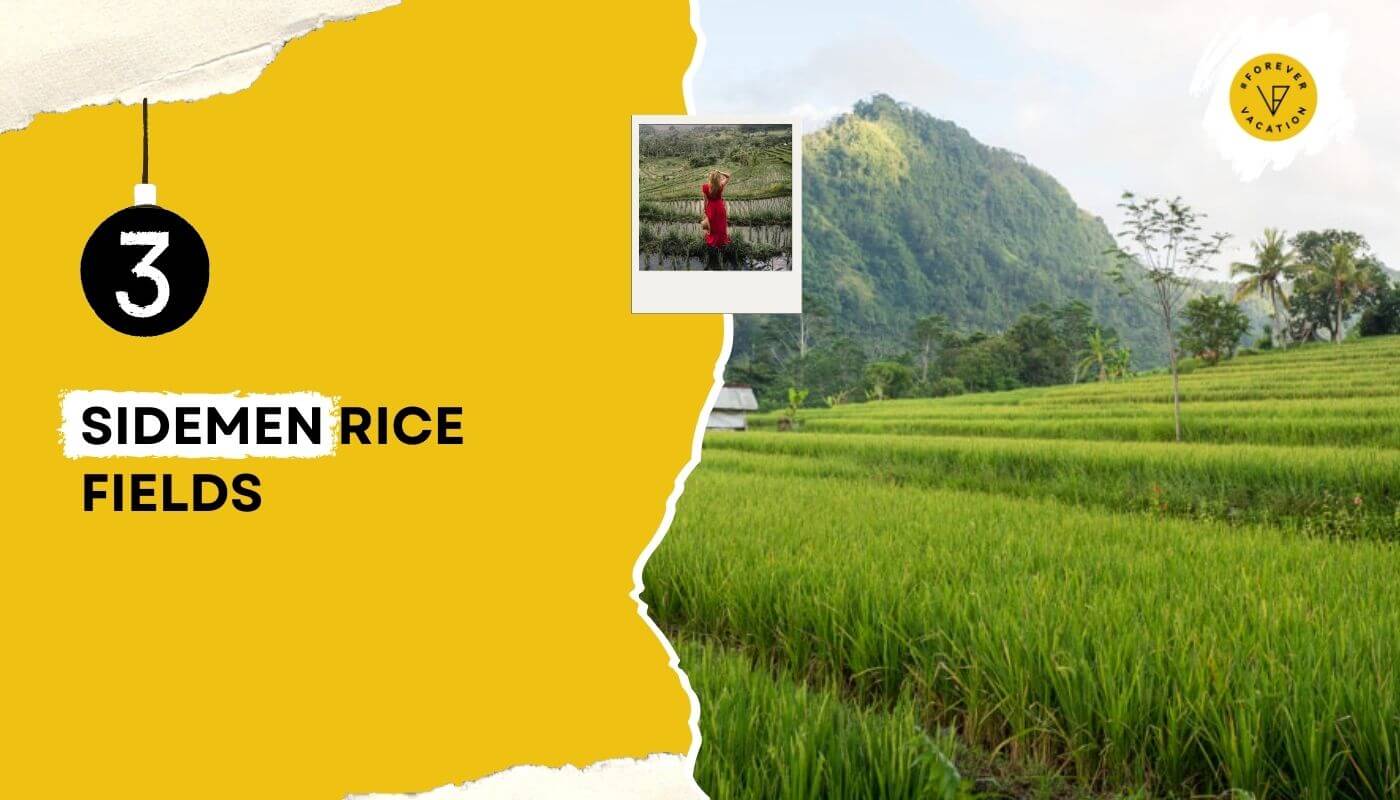
Sidemen is one of Bali’s best-kept secrets, offering a peaceful alternative to the tourist-heavy rice fields near Ubud. Here, the terraces are lush, untouched, and set against a dramatic backdrop of Mount Agung, Bali’s tallest volcano. Unlike Tegalalang or Jatiluwih, Sidemen remains a quiet, traditional farming village, where you’ll see locals planting and harvesting rice by hand, just as they have for generations.
A visit to Sidemen is not just about the scenery—it’s about experiencing the slower pace of rural Bali. You can take leisurely walks through the rice paddies, join a Balinese cooking class, or even learn about traditional weaving from local artisans. The area also has several eco-friendly resorts and yoga retreats, making it an ideal place to unwind and reconnect with nature. Since Sidemen is about two hours from Ubud, spending a night here is highly recommended for those looking to escape the crowds and immerse themselves in authentic Balinese culture.
4. Pupuan Rice Fields – Untouched Beauty in West Bali
- Location: West Bali, Tabanan Regency
- Best for: Scenic drives, photography, and escaping the tourist crowds
- Why visit? Remote and untouched, perfect for nature lovers and those seeking solitude
- Pro Tip: Combine a visit with Munduk’s waterfalls for a full day of nature exploration
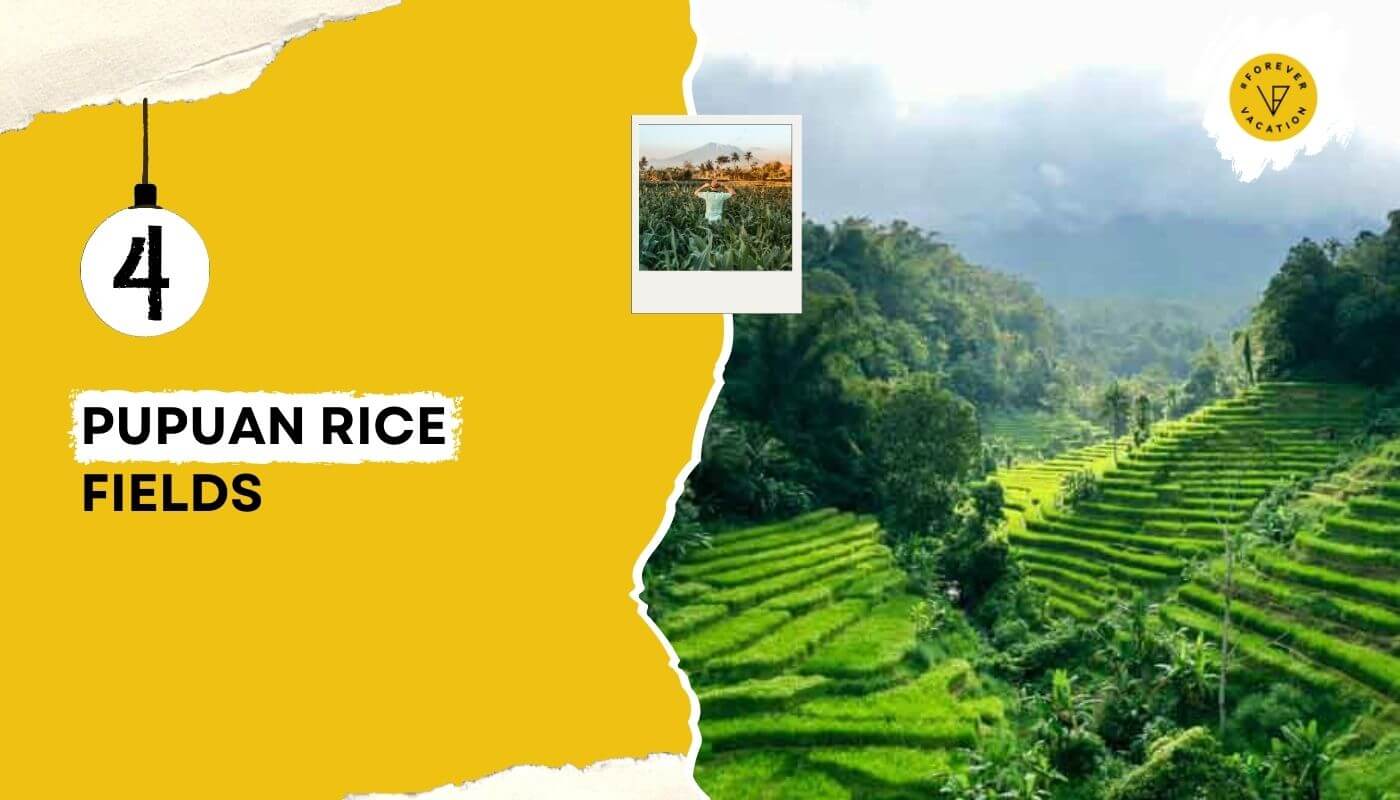
If you want to experience Bali’s rice fields without a single tourist in sight, Pupuan is the place to go. Tucked away in West Bali, far from the crowded areas of Ubud and Canggu, these rice terraces offer some of the most picturesque landscapes on the island. The fields are beautifully layered, rolling across hilly terrain, surrounded by coconut palms, lush jungles, and distant mountains.
Pupuan is best experienced as part of a scenic road trip, as the drive itself is a highlight. Along the way, you’ll pass small villages, hidden temples, and untouched countryside that feels a world away from Bali’s busy tourist hubs. Unlike the well-trodden trails of Tegalalang and Jatiluwih, Pupuan’s rice fields remain largely undiscovered, making it a perfect stop for photographers, nature lovers, and travelers looking for authentic rural landscapes.
5. Rendang Rice Fields – The Best Rice Field Views of Mount Agung
- Location: Karangasem Regency, East Bali
- Best for: Stunning landscapes, adventure seekers, and photography
- Why visit? Breathtaking rice terraces with dramatic views of Bali’s tallest volcano, Mount Agung
- Pro Tip: Visit at sunrise for the most spectacular misty views over the fields and mountain
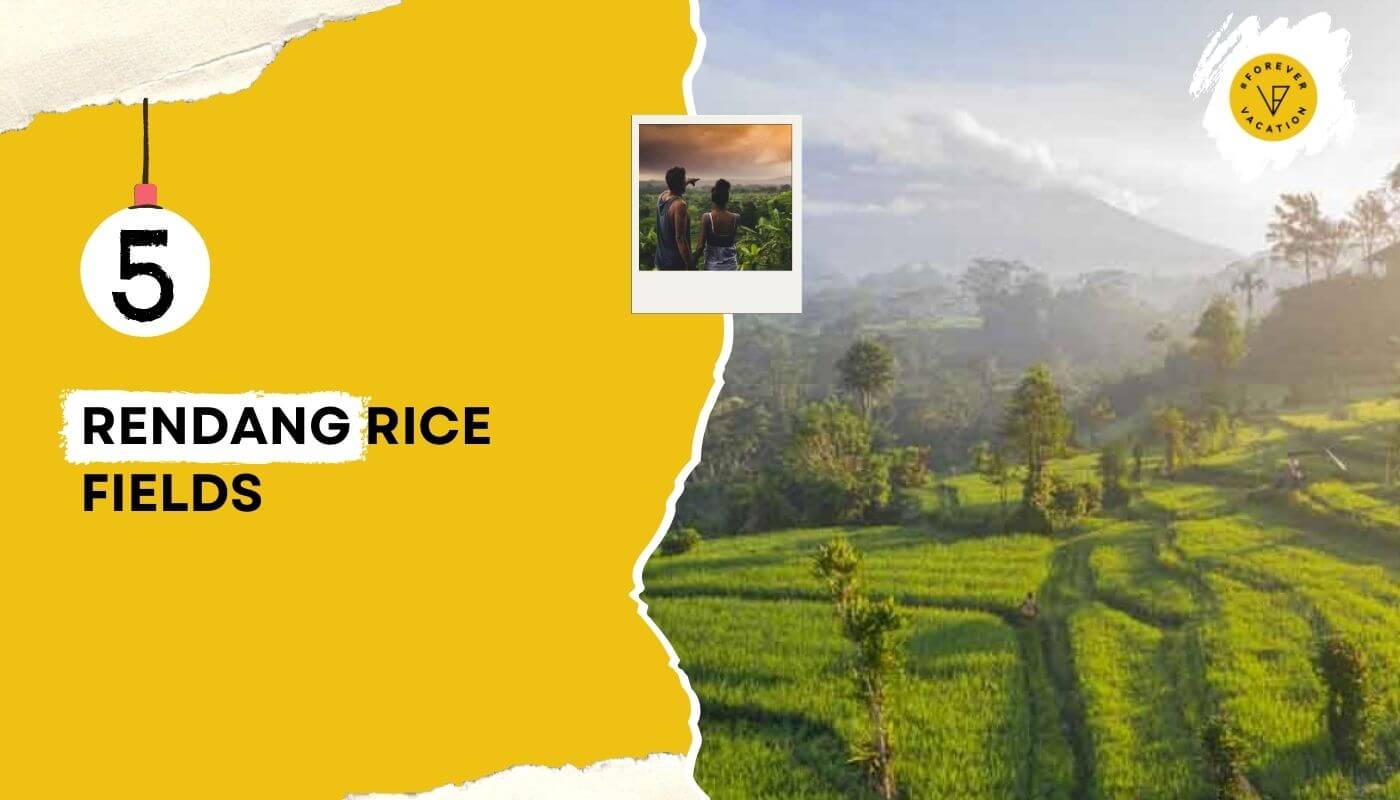
If you’re looking for awe-inspiring scenery that combines Bali’s famous rice fields with towering volcanic landscapes, Rendang is the place to be. Located in East Bali, this hidden gem offers some of the best panoramic views of Mount Agung, making it a favorite among photographers and nature lovers. Unlike more commercialized rice terraces, Rendang remains peaceful and untouched, giving visitors an authentic and quiet experience.
Rendang’s rice fields are best visited early in the morning, when the first light of sunrise illuminates the terraces and the mist slowly lifts from the valleys, revealing the majestic peak of Mount Agung in the background. The area is also a great stop for adventure travelers, as it’s located near some of Bali’s best trekking trails and waterfalls. If you’re exploring Sidemen or Besakih Temple, adding a detour to Rendang is highly recommended for one of Bali’s most breathtaking rice field landscapes.
6. Pererenan Rice Fields – The Best Rice Fields Near Canggu
- Location: Near Canggu, South Bali
- Best for: Quick escapes, sunset walks, and photography
- Why visit? One of the few remaining rice fields near Bali’s trendy beach towns
- Pro Tip: Visit at sunset for stunning golden-hour views over the fields and nearby beaches
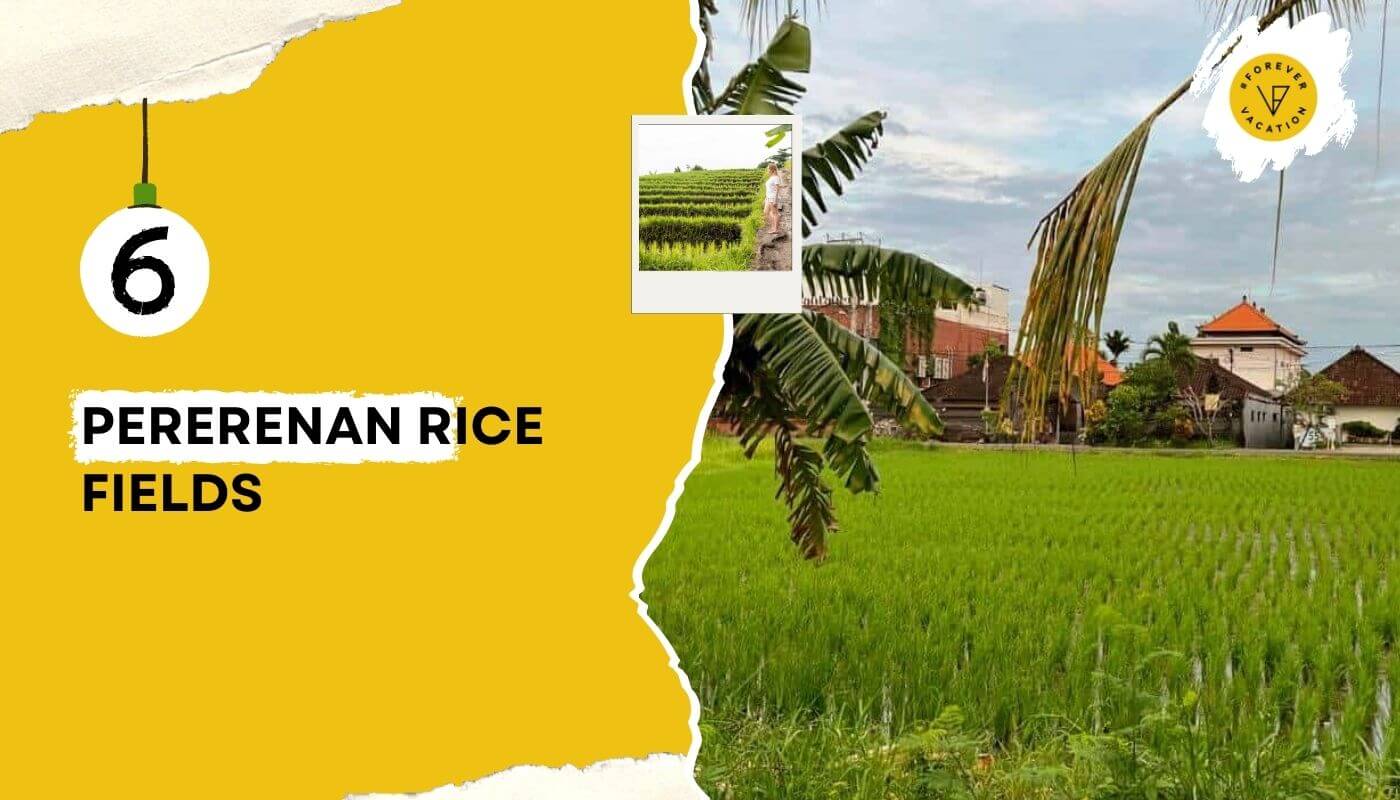
Pererenan is one of the last remaining rice field areas near Canggu, offering a peaceful retreat from the busy beach clubs and cafés. Unlike the vast, sprawling terraces of Jatiluwih or Sidemen, Pererenan’s rice fields are smaller but easily accessible, making them perfect for travelers who want to experience Bali’s natural beauty without venturing too far from the popular areas.
One of the best ways to enjoy Pererenan is to take a sunset walk or rent a bicycle to explore the fields. The contrast of lush green paddies against the golden evening light creates a spectacular view, and since it’s close to Batu Bolong and Echo Beach, you can easily pair a visit here with a sunset drink by the ocean. While development is gradually encroaching on this area, Pererenan remains a must-visit for those wanting to capture the charm of Bali’s rice fields without traveling far.
7. Belimbing Rice Fields – A Hidden Paradise in Tabanan
- Location: Tabanan Regency, Central Bali
- Best for: Traditional Balinese landscapes, off-the-beaten-path experiences, and nature lovers
- Why visit? One of Bali’s most lush and untouched rice terraces with incredible scenic views
- Pro Tip: Visit after a light rain to see the fields at their most vibrant green
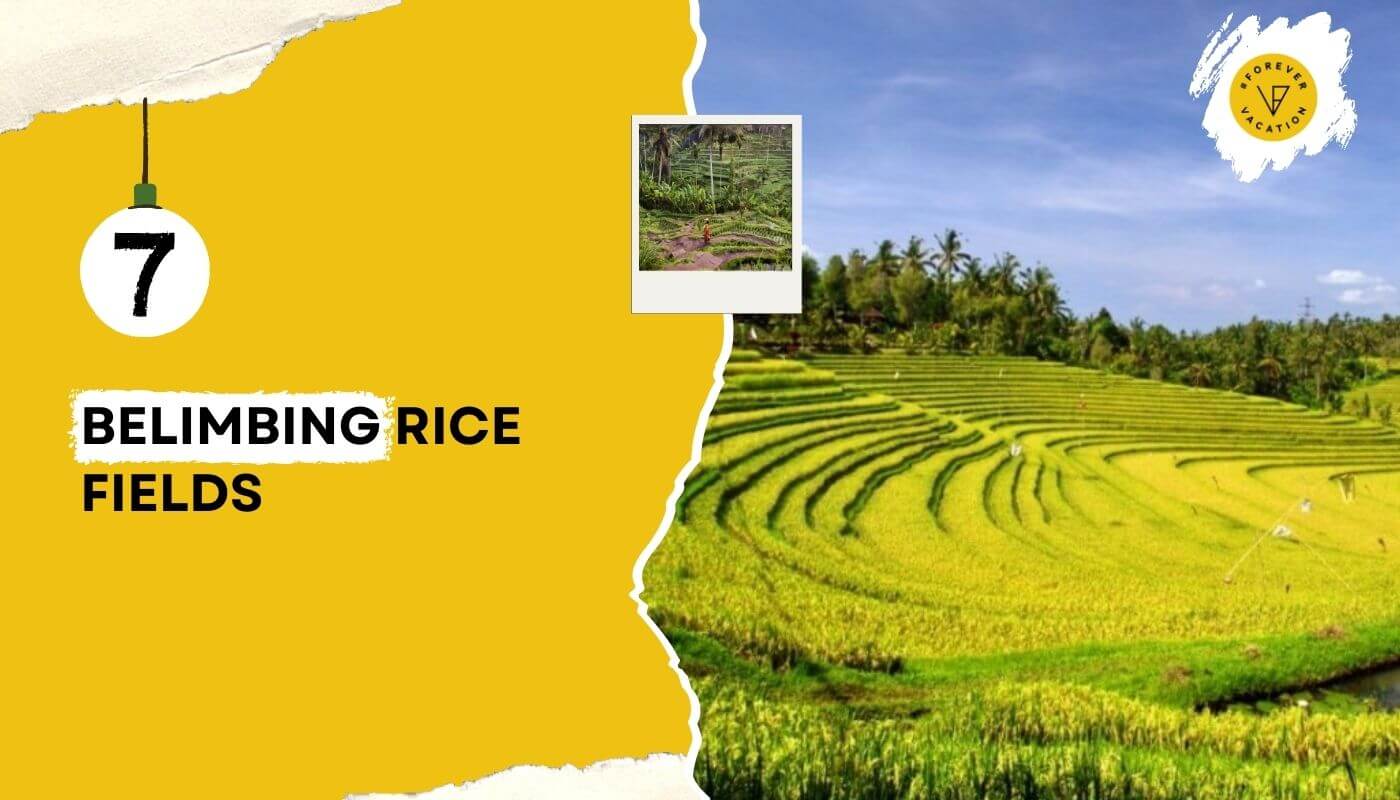
If you’re searching for one of Bali’s most stunning yet least-visited rice terraces, look no further than Belimbing. Tucked away in Tabanan Regency, this hidden gem offers expansive rice fields stretching across rolling hills, with dramatic jungle backdrops and almost no crowds. The landscape here is incredibly lush, often covered in a soft mist in the mornings, creating a dreamlike setting.
What makes Belimbing special is its authentic, untouched feel—unlike Tegalalang, there are no commercialized swings or tourist crowds. Instead, you’ll find locals tending to their rice fields, traditional Balinese villages, and quiet trails that lead to breathtaking viewpoints. If you’re planning a trip to Jatiluwih, adding Belimbing to your itinerary is highly recommended for an even more secluded and immersive rice field experience.
8. Mayong Rice Fields – A Hidden Gem with Local Village Charm
- Location: North Bali, near Munduk
- Best for: Guided village tours, cultural experiences, and nature walks
- Why visit? Quiet, off-the-beaten-path rice fields where visitors can experience authentic Balinese farming life
- Pro Tip: Book a Mayong Village walking tour for a guided experience with a local farmer
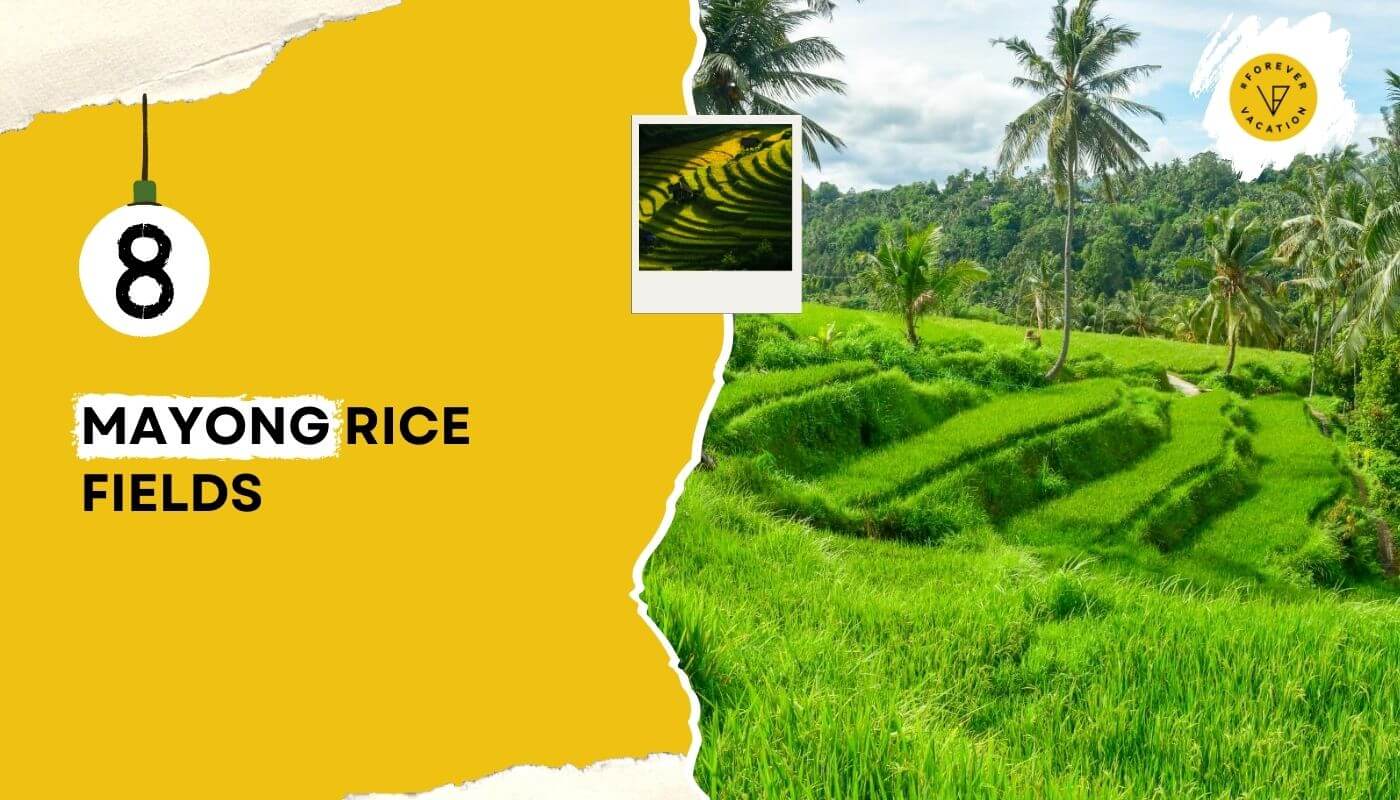
Mayong is one of Bali’s best-kept secrets, offering a picturesque and peaceful alternative to the more touristy terraces. Located in North Bali, near the lush highlands of Munduk, these rice fields remain untouched by mass tourism. The best way to explore Mayong is through a guided walking tour with a local villager, where you’ll learn about traditional rice cultivation, local herbs, and the Subak irrigation system. Unlike the structured tourist paths of Tegalalang, the trails here are natural and winding, allowing you to experience the raw beauty of Bali’s countryside.
9. Busungbiu Rice Terraces – One of Bali’s Most Scenic Drives
- Location: North Bali, near Singaraja
- Best for: Road trips, photography, and peaceful nature walks
- Why visit? Some of the most dramatic, panoramic rice terraces in Bali, completely free from crowds
- Pro Tip: Stop at a viewpoint along the Busungbiu road for breathtaking photos of the valley below
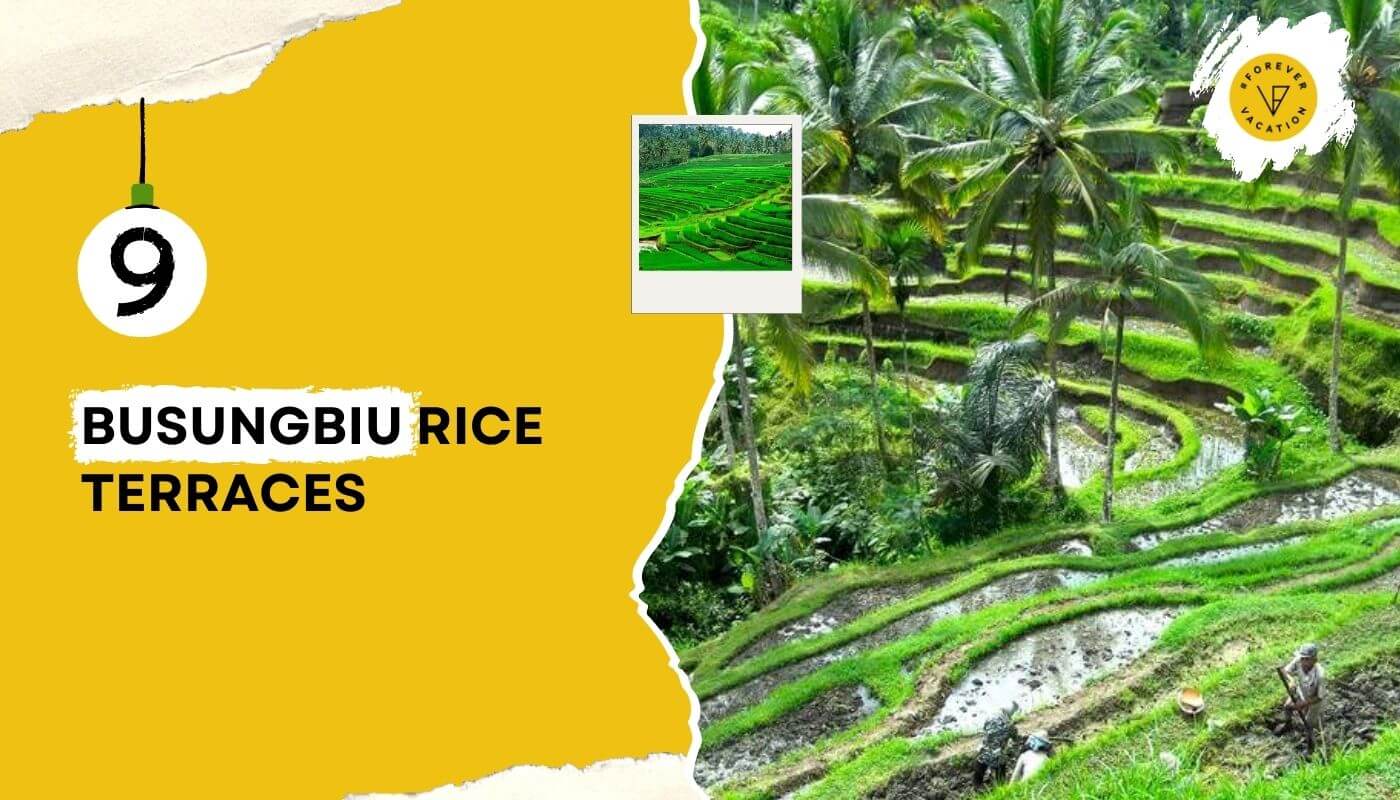
If you’re planning a road trip to North Bali, Busungbiu’s rice terraces are a must-see. Situated in a lush valley near Singaraja, these terraces feature layered green landscapes, palm trees, and misty hills in the background. The scenic road leading to Busungbiu is one of the most picturesque in Bali, making it a perfect stop for photographers and nature lovers. Unlike Jatiluwih or Tegalalang, Busungbiu has no entrance fees, no ticketed viewpoints, and no crowds, offering a pure and untouched experience.
10. Munduk Rice Fields – The Perfect Blend of Rice Terraces & Waterfalls
- Location: North Bali, near Bedugul
- Best for: Combining rice fields with trekking and waterfall visits
- Why visit? Lush, green rice fields set in the highlands, with a cool climate and multiple hiking trails
- Pro Tip: Pair your visit with Munduk Waterfall or Banyumala Twin Waterfalls for a full nature adventure
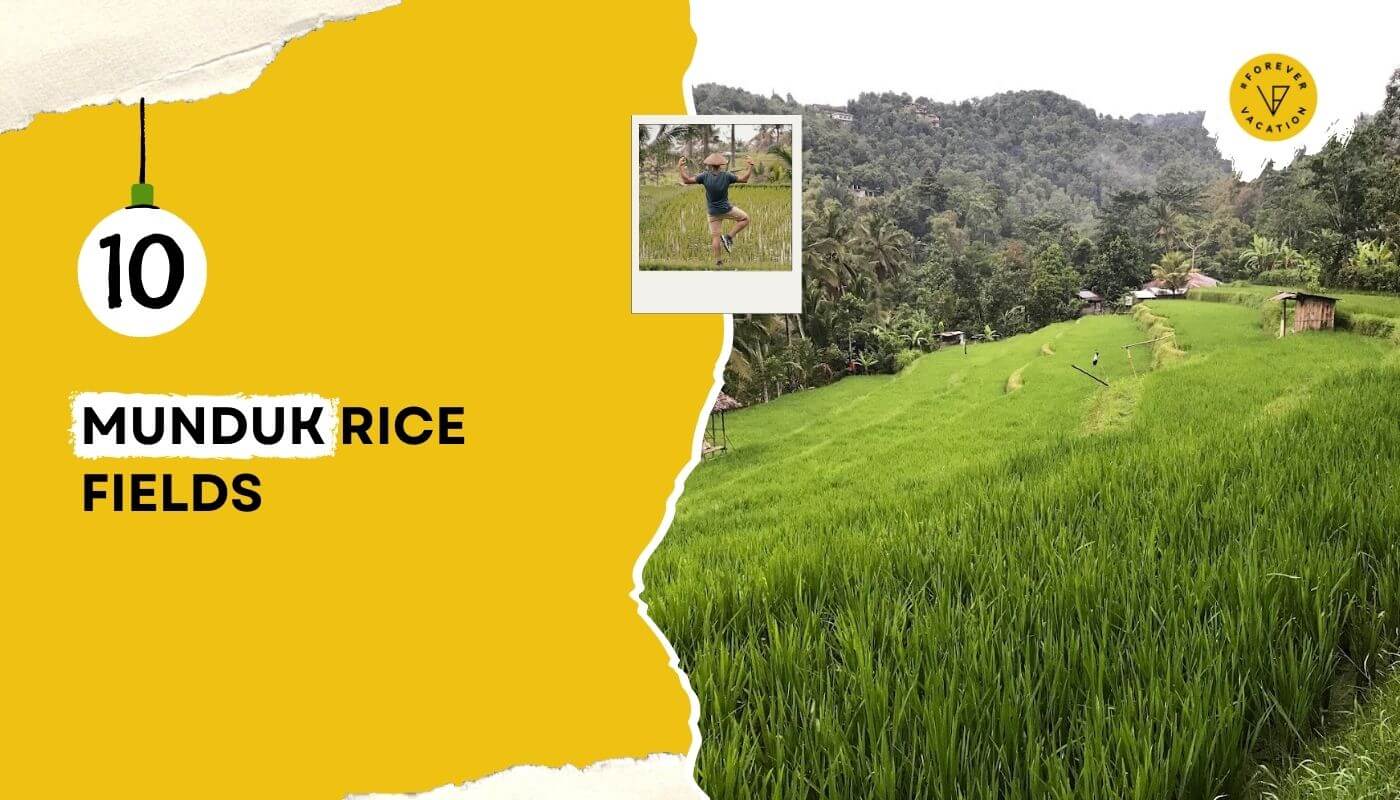
Munduk is best known for its waterfalls and mountain scenery, but its rice fields are just as breathtaking. Set in the cooler highlands of North Bali, the rice terraces here are surrounded by misty hills, coffee plantations, and tropical forests. Unlike the more famous terraces in South Bali, Munduk offers a blend of jungle trekking, cultural village visits, and stunning rice field landscapes. If you’re looking for an adventurous and less touristy alternative to Ubud’s rice fields, Munduk is the perfect escape.
Best Time to Visit Bali’s Rice Fields
The best time to visit Bali’s rice fields is during the vibrant green growing season from March to April and September to October, just before harvest. These months offer the most picturesque landscapes, with lush terraces stretching across Bali’s countryside. If you prefer to see the golden hues of ripe rice fields, plan your visit in May or November, when farmers prepare for harvesting. Early mornings and late afternoons provide the best lighting for photography while avoiding the midday heat. Popular locations like Tegalalang, Jatiluwih, and Sidemen offer breathtaking views year-round, but timing your visit during these peak seasons enhances the experience.
How to Explore Bali’s Rice Terraces
Bali’s breathtaking rice fields can be explored in several ways, whether you prefer a self-guided adventure, a guided cultural tour, or a stay in a scenic villa surrounded by lush greenery. Each option offers a unique experience, allowing visitors to immerse themselves in the island’s natural beauty and traditional farming culture.
Self-Guided Exploration – For Independent Travelers
For those who enjoy flexibility and adventure, exploring Bali’s rice fields on your own is a great option. Renting a scooter for $5–$7 per day or hiring a private driver for $40–$50 per day allows you to visit multiple rice terraces at your own pace. Some of the best locations for self-guided trips include Jatiluwih, Sidemen, Pupuan, and Belimbing, where you can wander freely without entrance fees.
This option provides freedom to stop at viewpoints, avoid crowds, and take your time. However, it does require navigation skills, and some areas have rough roads that may be challenging for inexperienced riders. For the best experience, start early in the morning when the air is cool and the landscapes are bathed in golden light.
Guided Tours & Rice Field Treks – For Cultural Insights & Local Experiences
For travelers looking to gain a deeper understanding of Balinese farming traditions and the ancient Subak irrigation system, a guided tour is the best choice. ForeverVacation offers top-rated private tours in Bali that provide insightful cultural experiences.
A half-day tour is ideal for exploring famous locations like Tegalalang or Jatiluwih, with prices ranging from $80–$150 per person. For a more immersive experience, full-day cultural tours include rice field treks, visits to traditional villages, and even cooking classes, costing between $100–$250 per person.
The best locations for guided tours are Jatiluwih, Sidemen, and Tegalalang, where expert guides explain the history, traditions, and farming techniques that make these terraces so unique. Opting for a guided experience ensures access to the best trails, eliminates the hassle of logistics, and provides a richer appreciation of Balinese culture. However, tours come with a slightly higher cost and less flexibility compared to self-guided trips.
Staying in a Rice Field Villa or Homestay – For Full Immersion
For those seeking a peaceful retreat, staying in a rice field villa or homestay offers the most immersive experience. Luxury villas in Ubud, Sidemen, and Jatiluwih range from $100–$300 per night, providing stunning panoramic views and high-end comfort. Travelers on a budget can opt for traditional homestays in Sidemen and Belimbing, which offer authentic Balinese hospitality for $20–$50 per night.
Waking up to misty rice terraces, enjoying home-cooked Balinese meals, and experiencing rural Bali without the crowds make this an unforgettable option. However, some of these accommodations are located in remote areas, requiring longer travel times.
Photography & Travel Tips for Visiting Bali’s Rice Fields
Bali’s rice terraces are among the most photographed landscapes in the world, but capturing their beauty requires more than just pointing and shooting. With the right approach, you can take stunning images while also respecting the environment and local communities.
Best Time for Photography
The best time to photograph Bali’s rice fields is early in the morning or late in the afternoon. Sunrise (6 AM - 9 AM) offers soft, golden light, fewer crowds, and misty, dreamlike views, especially in places like Jatiluwih and Sidemen. Late afternoon, particularly between 4 PM and 6 PM, provides dramatic lighting and long shadows, perfect for creating depth in your images. Midday photography is not ideal, as the harsh sunlight can wash out colors and create unflattering contrasts.
Best Locations for Stunning Photos
Some rice terraces are better suited for photography than others. Tegalalang, with its dramatic layers, is the most iconic spot, but it can be crowded. Jatiluwih, a UNESCO-listed site, offers expansive panoramic views, ideal for wide-angle shots. If you want to capture rice fields with Mount Agung in the background, Sidemen and Rendang provide breathtaking compositions. For a truly unique perspective, Belimbing and Pupuan remain untouched and offer a more secluded setting for photographers who prefer authenticity over tourist hotspots.
Using Drones for Aerial Shots
Bali’s rice terraces look spectacular from above, making them a popular subject for drone photography. However, it’s important to check local regulations before flying. Some areas, especially near temples, have restrictions on drone usage. In locations like Tegalalang and Jatiluwih, there may be a small fee to fly a drone. To avoid disturbing the peaceful atmosphere, fly early in the morning when fewer people are around.
What to Wear and Pack for Exploring the Rice Fields
Since exploring rice terraces involves walking through uneven and sometimes muddy terrain, comfortable shoes with good grip are essential. Avoid sandals or flip-flops, as they can make it difficult to navigate wet and slippery paths. The tropical sun in Bali can be strong, so light, breathable clothing, a hat, and sunscreen are recommended. If you’re visiting during the rainy season, carrying a lightweight rain jacket or poncho is a good idea. Additionally, bug spray can help protect against mosquitoes, especially if you’re visiting early in the morning or near water sources.
Respecting Local Farmers and Traditions
Bali’s rice fields are not just tourist attractions; they are working farmlands that provide livelihoods for local communities. It’s important to respect the space by sticking to designated paths and avoiding stepping on young rice plants. If you wish to photograph farmers working in the fields, always ask for permission first and be mindful of their time. Supporting local businesses, such as buying a drink or small snack from nearby stalls, is a great way to contribute to the local economy.
Final Words
Beyond their visual appeal, visiting Bali’s rice terraces lets you slip into the gentle rhythm of local life—watching farmers tend their crops and feeling the sacred bond between land and spirituality. Whether you trek the emerald slopes on the Magical Ubud Rice Terrace Tour or bundle rice-field vistas with temples and art on the Best of Ubud Tour, you’ll uncover a peaceful, authentic side of Bali that mass tourism hasn’t touched.
If you’re planning your trip to Bali, make sure to set aside time to truly experience the rice fields—not just as a photo stop but as a journey into the heart of Balinese culture. With the right timing, respect for the land, and a spirit of exploration, you’ll find that these landscapes are not just beautiful—they are magical.
Recommended Articles
- Destinations
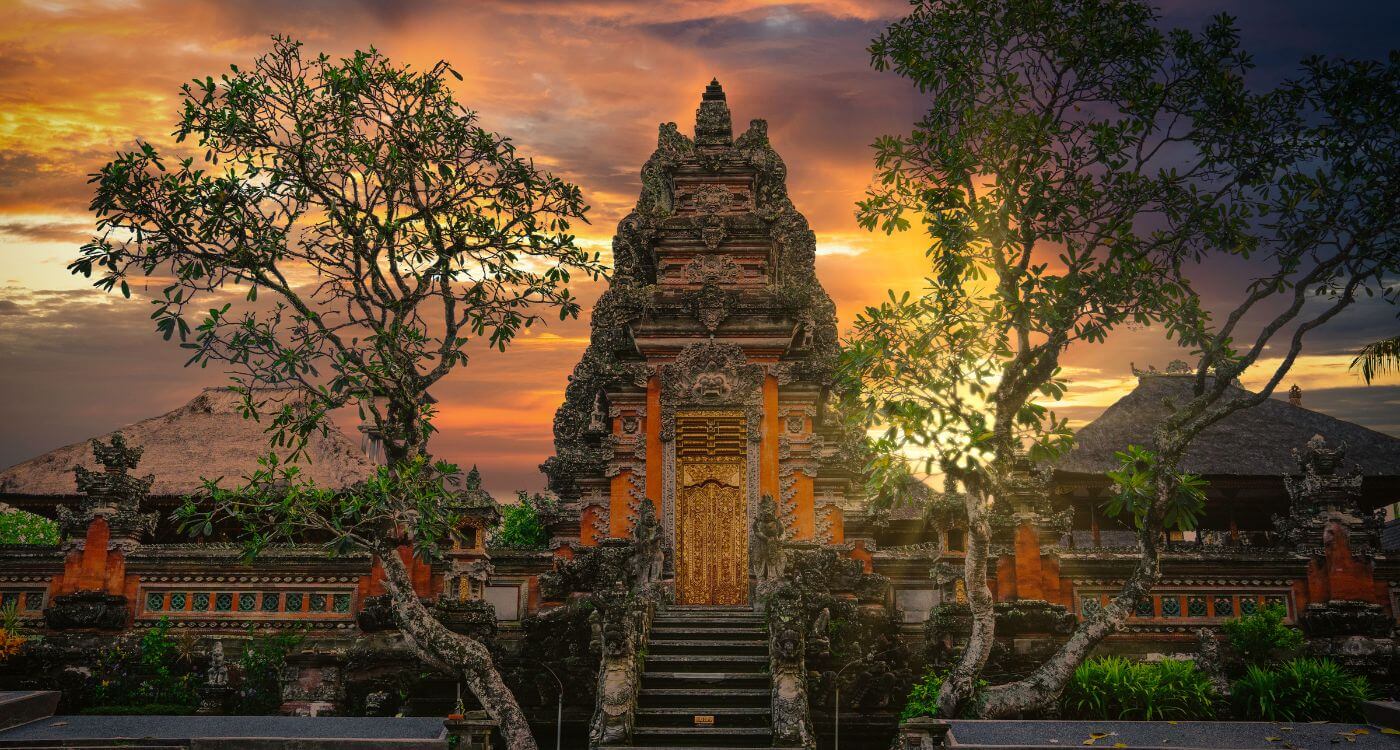
Top 15 Famous Temples in Bali You Must Visit (+ Guide & Tips)
- Tips
How Many Days in Bali: Ideal Visit Duration and Itinerary Suggestions
- Travel Inspiration
Bali Off the Beaten Path: 10 Hidden Gems & Unique Experiences
- Tips
Top 10 Scuba Diving Sites in Bali: Best Locations, Costs & Travel Guide
Get your VACATION on!
Expertly curated emails packed full of vacation inspiration, travel tips and more!