


 +1 617 404 2125


Top 15 Famous Temples in Bali You Must Visit (+ Guide & Tips)

BY Jess Leak
9 months ago


⚡ Quick Answer: Famous Temples in Bali
Bali's most famous temples are Tanah Lot (iconic sea temple at sunset), Pura Lempuyang (Gates of Heaven photo spot), Uluwatu (clifftop temple with Kecak dance), Tirta Empul (sacred bathing pools), and Besakih (the Mother Temple on Mount Agung). Most temples charge between IDR 30,000–75,000 (approx. US$2–5) entry. Always bring a sarong — most temples provide them.
Bali is often called the Island of the Gods, and nowhere is that more evident than in its extraordinary temples. With over 20,000 temples scattered across the island — from dramatic clifftop shrines to serene water palaces — Bali's spiritual landscape is unlike anywhere else on Earth.
Whether you're a first-time visitor or a returning traveller, visiting Bali's temples is one of the most rewarding experiences the island has to offer. In this 2026 guide, we cover the 15 most famous temples in Bali — with updated entry fees, practical tips, dress code advice, and the best time to visit each one.

Our Top Trending Tours
-
All-Inclusive
-
All-Inclusive
-
All-Inclusive
Bali Temples at a Glance: 2026 Comparison Table
Use this table to quickly compare all 15 temples before planning your itinerary.
Temple | Location | Entry Fee (2026) | Best Time | Highlight |
|---|---|---|---|---|
Tanah Lot | South Bali | IDR 75,000 | Sunset | Sea temple on a rock |
Pura Lempuyang | East Bali | Donation (IDR 10,000–50,000) | Early morning | Gates of Heaven photo |
Uluwatu | South Bali | IDR 50,000 | Late afternoon | Kecak Fire Dance at sunset |
Tirta Empul | Central Bali | IDR 50,000 | Morning | Sacred purification ritual |
Goa Gajah | Ubud | IDR 50,000 | Morning | Ancient Elephant Cave |
Ulun Danu Beratan | North Bali | IDR 75,000 | Early morning | Floating lake temple |
Gunung Kawi | Central Bali | IDR 50,000 | Morning | Rock-cut royal shrines |
Besakih | East Bali | IDR 60,000 | Morning | Largest temple on Mount Agung |
Taman Ayun | South Bali | IDR 30,000 | Morning | UNESCO moated royal temple |
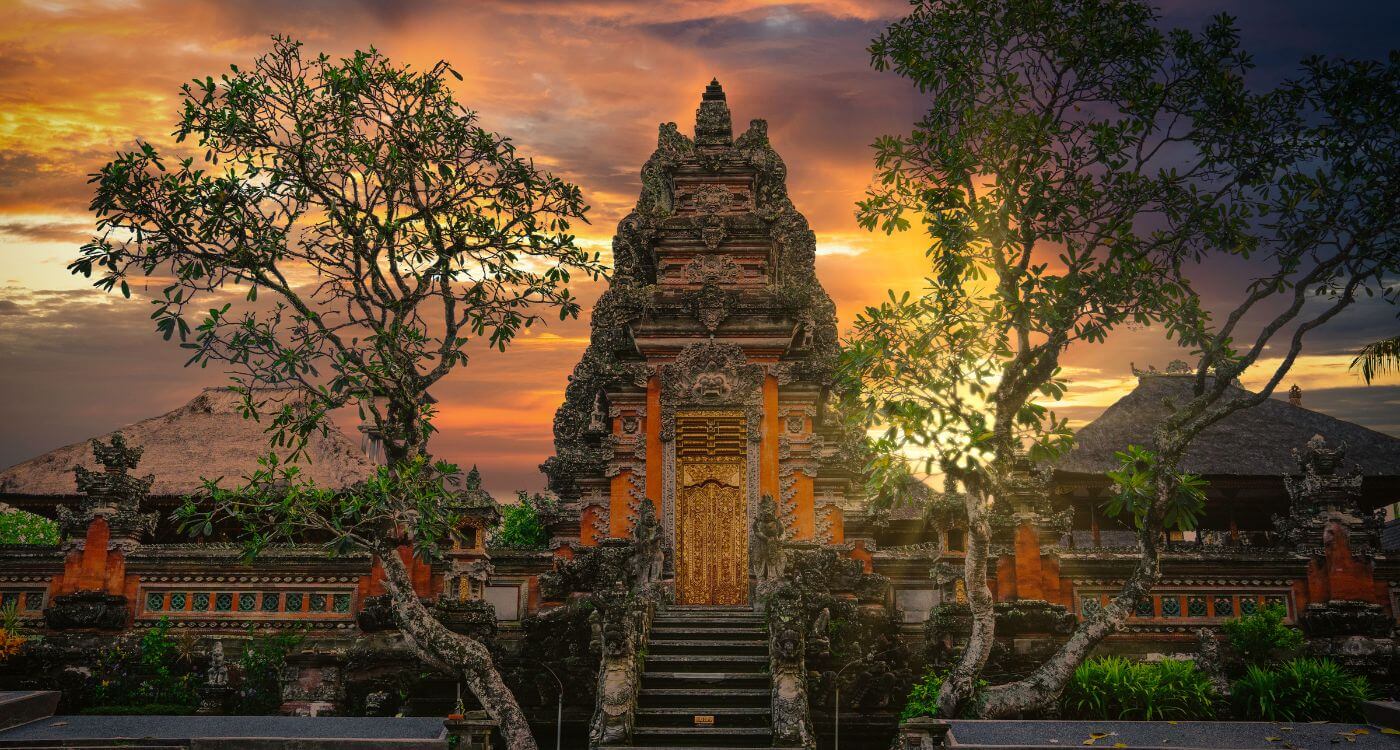
Pura Saraswati | Ubud | Free | Morning or evening | Lotus pond, evening dance shows |
Pura Gunung Lebah | Ubud | Free | Morning | Hidden riverside temple |
Pura Penataran Agung Lempuyang | East Bali | Donation | Early morning | Sacred Sad Kahyangan temple |
Tirta Gangga | East Bali | IDR 50,000 | Morning | Royal water palace gardens |
Pura Batu Bolong | South Bali | Free | Sunset | Coastal temple near Canggu |
Pura Dalem Agung Padangtegal | Ubud | Free (via Monkey Forest) | Morning | Sacred temple in Monkey Forest |
List of The Top 15 Famous Temples in Bali
Bali is home to hundreds of temples, but these 15 stand out for their unique beauty, cultural significance, and spiritual energy. Let me take you through each one, so you know why they are worth adding to your itinerary.
1. Tanah Lot Temple: The Iconic Sea Temple
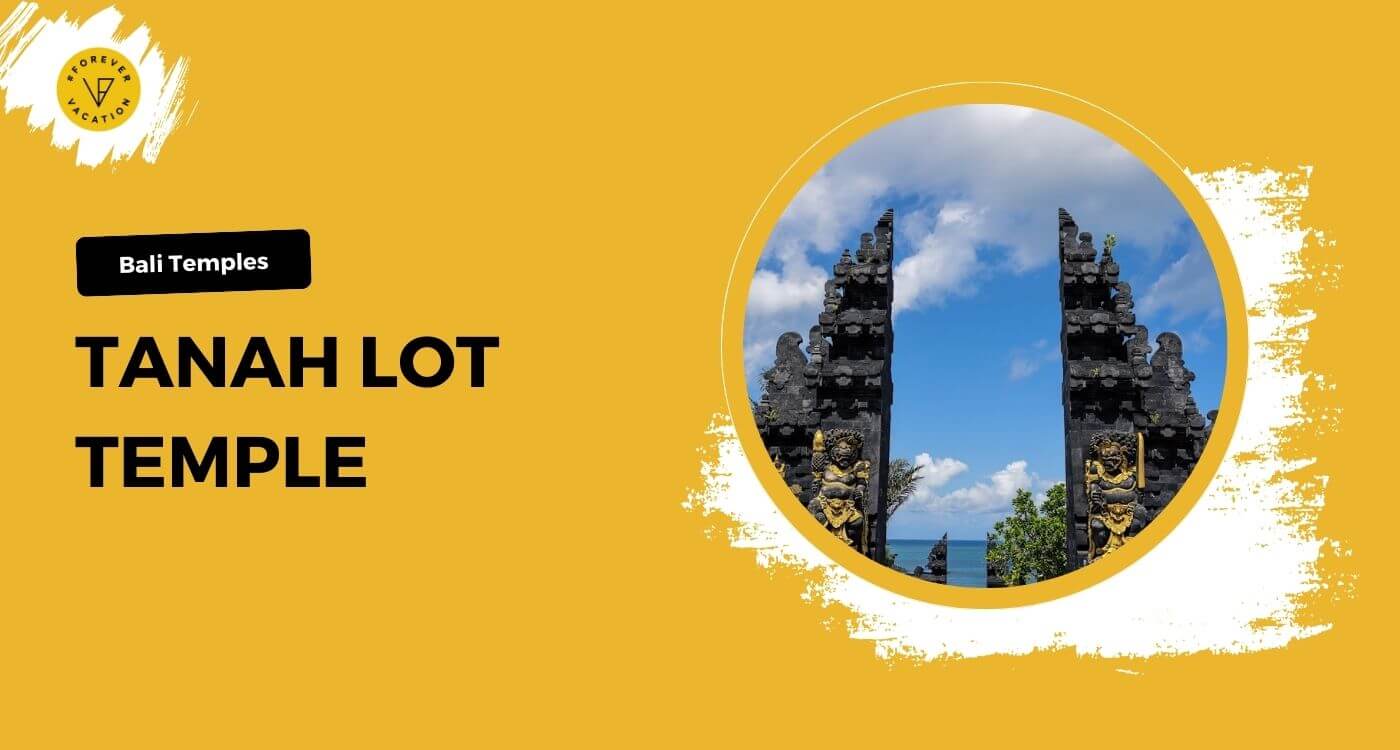
Tanah Lot Temple is one of Bali's most famous and photographed temples, perched dramatically on a rock formation surrounded by the ocean. Known for its stunning sunset views, this temple is dedicated to the sea gods and holds great spiritual significance for the Balinese people.
When I visited, the sound of waves crashing against the rocks created a meditative atmosphere that left me in awe. While the temple itself is not open to the public for entry, you can explore the surrounding area, including the base of the temple during low tide. For an even richer experience, you can book a guided tour to Tanah Lot Temple that includes a unique Balinese cooking class.
Our Best Selling Tour
- All-Inclusive
- Bali Eat, Pray, Love Tour(4 Reviews)
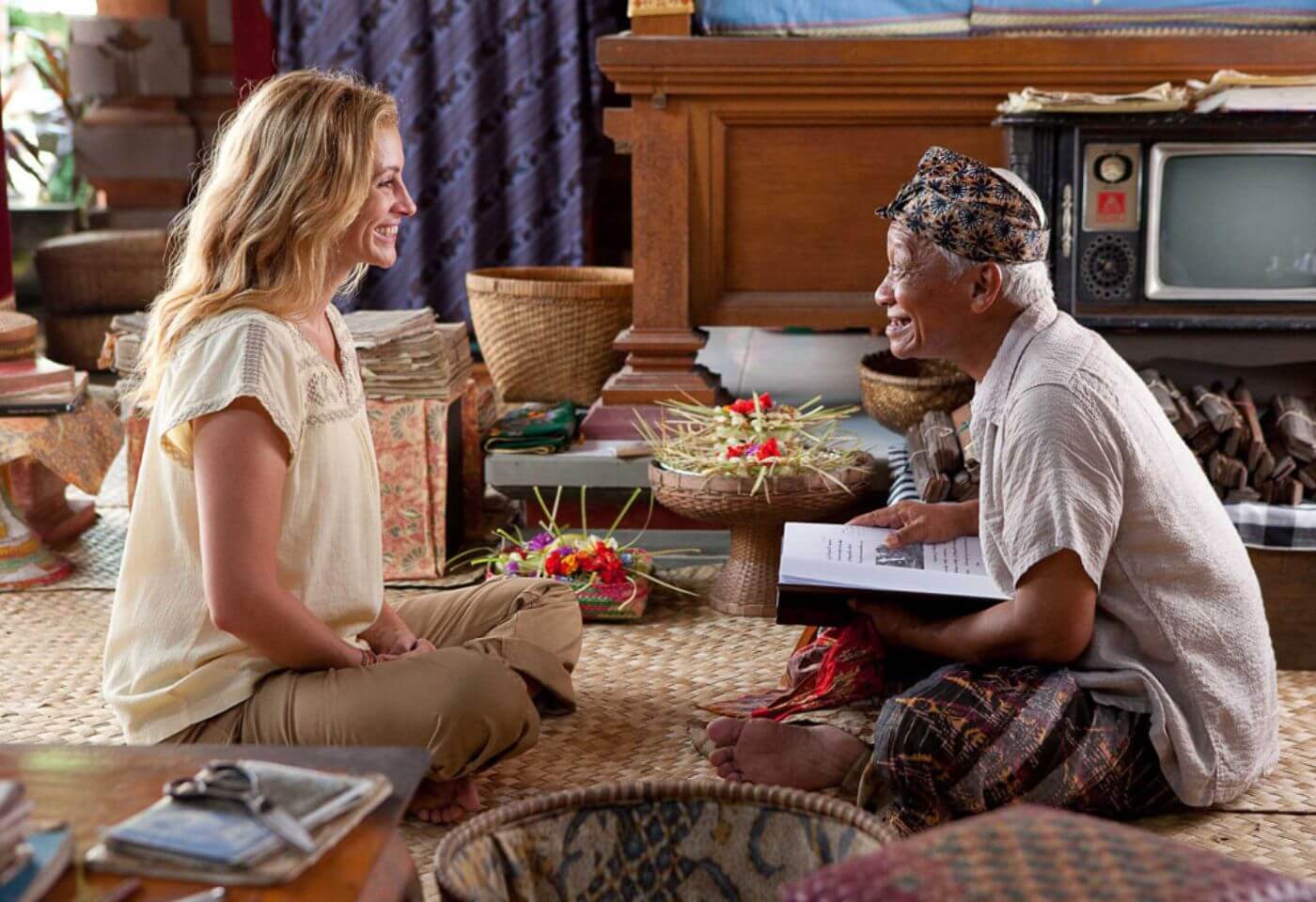
If you're looking for a tour in Bali that will let you experience some of the best that the island has to offer, then check out our "Bali Eat Pray Love" tour. T...
US$239/pp Learn more

Travel Tips:
- Best Time to Visit: Sunset is the most magical time to see Tanah Lot. Arrive at least 45 minutes early to secure a good spot — it gets very crowded in 2026.
- Entry Fee (2026): IDR 75,000 for adults, IDR 40,000 for children.
- What to Wear: Dressing modestly is recommended. A sarong and sash are available to borrow at the entrance.
- Nearby Highlights: Explore local markets for souvenirs or enjoy fresh seafood at nearby coastal restaurants.
Standing there, witnessing the harmony between nature and spirituality, I understood why Tanah Lot is a must-visit for travellers in Bali.
2. Pura Lempuyang: The Gates of Heaven

Pura Lempuyang, often referred to as the Gates of Heaven, is one of Bali's most iconic and Instagram-famous temples. Located on the eastern slopes of Mount Lempuyang, this temple offers breathtaking views of Mount Agung framed by its iconic stone gates, making it a photographer's paradise.
When I visited, the experience was more than just capturing the perfect photo. Pura Lempuyang is a deeply spiritual site, one of Bali's six Sad Kahyangan temples, which are considered the island's most sacred. The temple complex includes several smaller temples, and reaching the main gate requires climbing over 1,700 steps through lush jungle. Along the way, I felt a profound sense of peace and connection to nature.
If you're inspired to explore this stunning temple and other breathtaking locations in Bali, you can take the Bali Instagram Tour. This tour takes you to the most famous spots on the island, ensuring a memorable and picture-perfect experience.
Travel Tips:
- Best Time to Visit: Early morning (before 7am) for the clearest views of Mount Agung and the shortest queues for the mirror photo.
- Entry Fee (2026): Donation-based (usually IDR 10,000–50,000). Sarong rental is available on-site.
- What to Bring: Comfortable shoes, water, and patience — the queue for the Gates of Heaven photo can be 1–2 hours on busy days.
- Respectful Behaviour: While it's famous for photos, remember this is an active place of worship.
Standing at the Gates of Heaven and gazing at the majestic Mount Agung was one of the most humbling moments of my Bali journey.
3. Uluwatu Temple: The Temple on the Cliff

Uluwatu Temple, or Pura Luhur Uluwatu, is a stunning sea temple perched on the edge of a dramatic cliff, 70 metres above the Indian Ocean. This temple is not only a spiritual haven but also offers one of the best panoramic sunset views in Bali.
During my visit, I was captivated by the serene atmosphere and the temple's intricate architecture, which blends harmoniously with its natural surroundings. The Balinese believe the temple protects the island from evil sea spirits, and its location feels truly sacred.
One of the highlights of visiting Uluwatu Temple is witnessing the famous Kecak Fire Dance during sunset. This traditional dance, performed against the backdrop of the setting sun, tells a story from the Ramayana and is an unforgettable cultural experience. If you're planning to explore this incredible destination, you can opt for the Bali Uluwatu Kecak Dance Tour, which offers a convenient way to visit the temple and immerse yourself in its beauty and traditions.
Travel Tips:
- Best Time to Visit: Late afternoon to enjoy the sunset and the Kecak Fire Dance (performances start around 6pm).
- Entry Fee (2026): IDR 50,000 for adults, IDR 30,000 for children.
- Beware of Monkeys: The temple is home to cheeky monkeys known for snatching loose items. Keep sunglasses, hats, and phones secure.
- What to Wear: Sarong and sash are provided with the entry ticket.
Uluwatu Temple left me feeling deeply connected to Bali's spiritual essence, and I highly recommend it to anyone looking for both cultural and natural beauty.
4. Tirta Empul Temple: A Sacred Water Temple
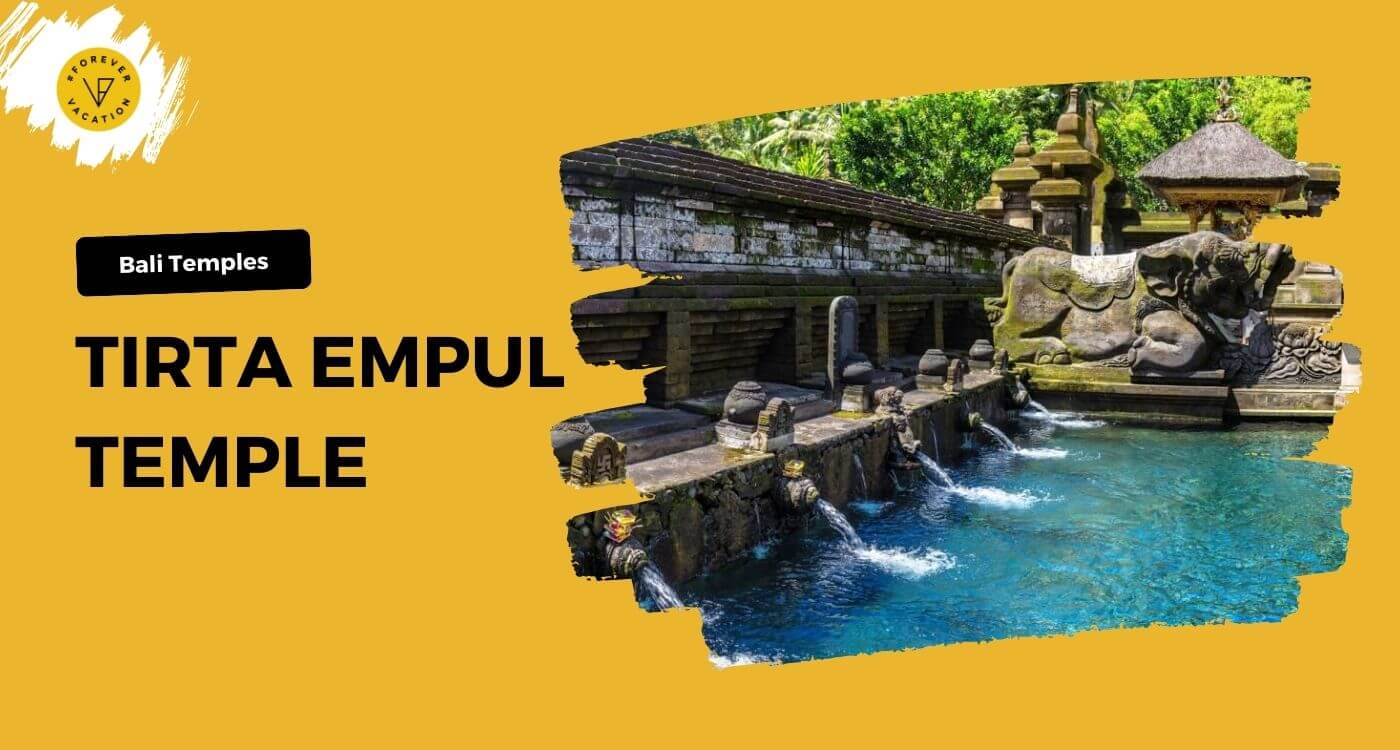
Tirta Empul Temple is one of Bali's most revered water temples, known for its holy spring water used in purification rituals. Located in the village of Tampaksiring, this temple attracts both locals and tourists seeking spiritual cleansing and renewal.
During my visit, I participated in the Melukat ritual, where devotees bathe in the sacred fountains to cleanse body and mind. The cool, crystal-clear water flowing from the 13 spouts is believed to purify negative energy and bring good fortune. It's a deeply moving experience, even for non-religious visitors.
Travel Tips:
- Best Time to Visit: Early morning (before 9am) to experience the ritual with fewer tourists and a more spiritual atmosphere.
- Entry Fee (2026): IDR 50,000 per person. Sarong rental is included.
- What to Wear: You will need to wear a sarong to enter the bathing pools. Bring a change of clothes if you plan to participate in the purification ritual.
- Respectful Behaviour: Follow the ritual sequence of the pools and be mindful of local worshippers.
5. Goa Gajah: The Elephant Cave
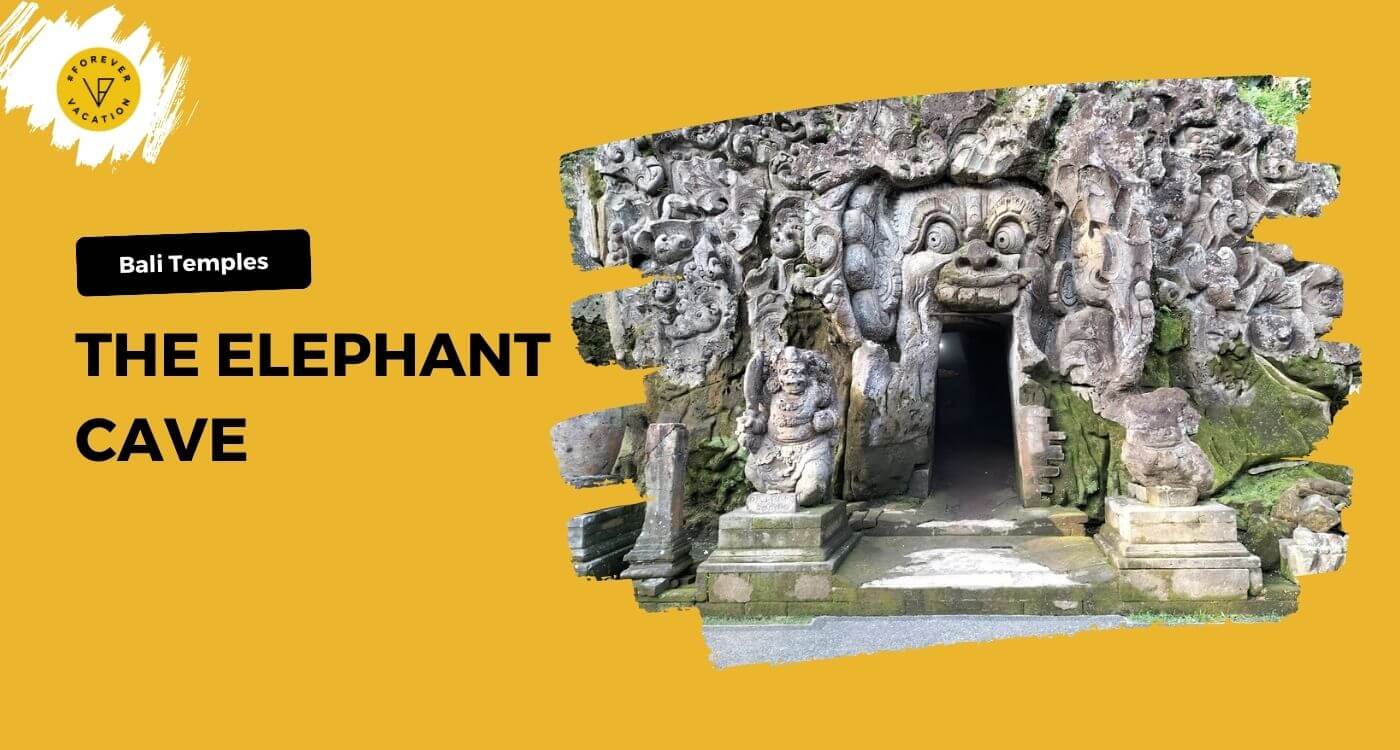
Goa Gajah, or the Elephant Cave, is one of Bali's most fascinating archaeological sites, dating back to the 9th century. Located just outside Ubud, this ancient temple complex features a cave entrance carved with intricate demonic faces and lush jungle surroundings.
The cave itself is small but atmospheric, with a Hindu shrine inside. Outside, you'll find bathing pools fed by ancient stone spouts and a peaceful garden that makes for a perfect midday escape from the heat.
Travel Tips:
- Best Time to Visit: Morning, before the tour groups arrive around 10am.
- Entry Fee (2026): IDR 50,000 per person.
- Combine With: Goa Gajah is just minutes from Tirta Empul and Ubud Market — easy to combine into a half-day cultural tour.
6. Ulun Danu Beratan Temple: The Floating Lake Temple
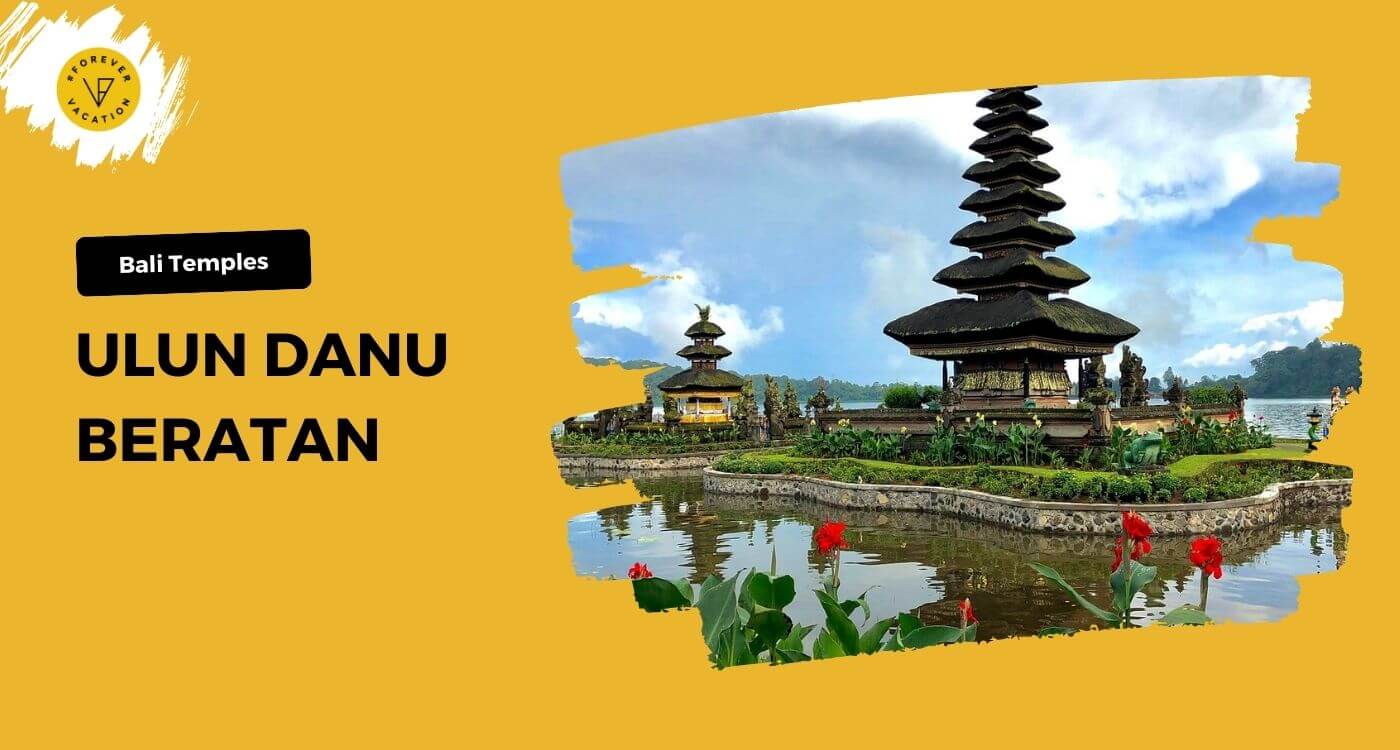
Ulun Danu Beratan is one of Bali's most photographed temples — a multi-tiered Meru shrine that appears to float on the misty surface of Lake Beratan in the cool highlands of Bedugul. Dedicated to Dewi Danu, the goddess of water, this temple plays a vital role in Balinese irrigation ceremonies.
The surrounding gardens are beautifully maintained and the mountain backdrop creates an atmosphere unlike any other temple in Bali. On misty mornings, the temple appears to emerge from the clouds — a truly magical sight.
Travel Tips:
- Best Time to Visit: Early morning (before 8am) for the best chance of mist on the lake and fewer visitors.
- Entry Fee (2026): IDR 75,000 for adults, IDR 50,000 for children.
- Getting There: About 1.5 hours north of Ubud. Best visited as part of a full-day Bali tour combining Bedugul and Tanah Lot.
7. Gunung Kawi Temple: The Rock-Cut Shrines
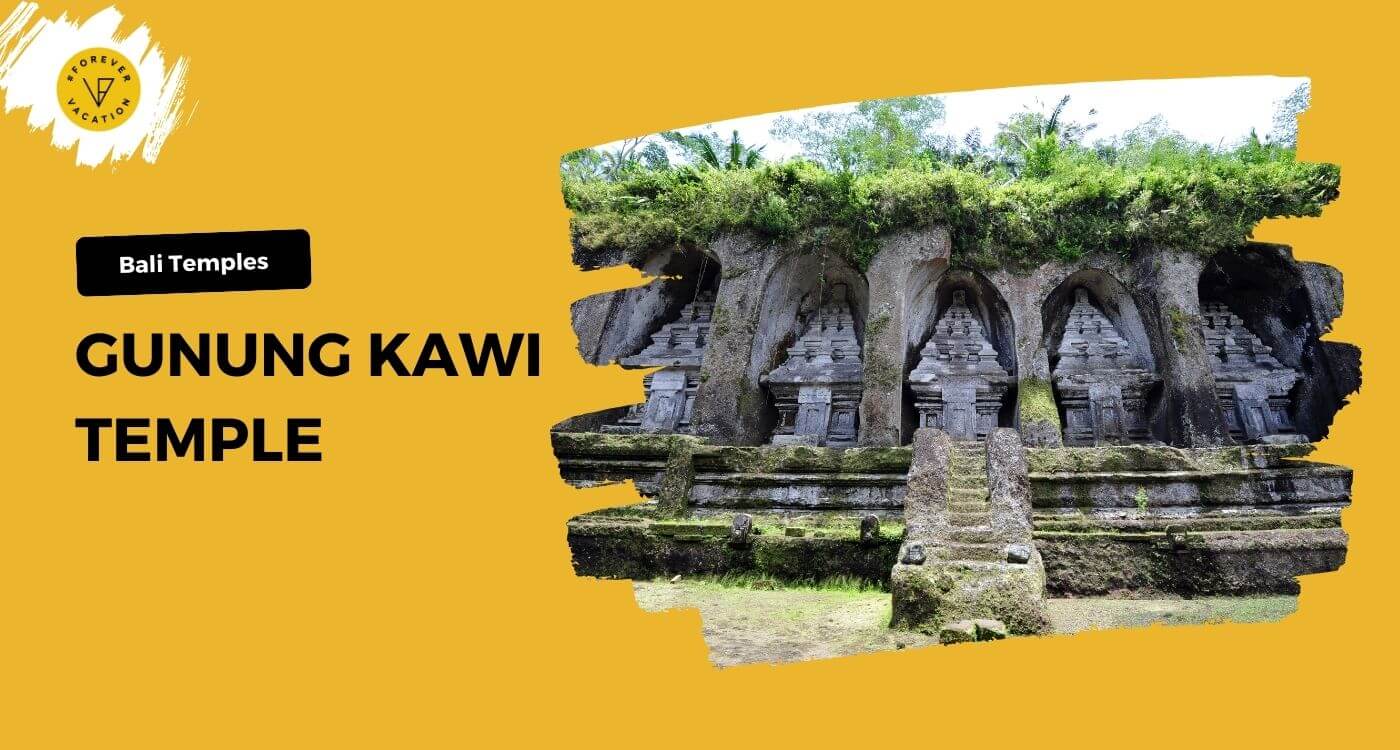
Gunung Kawi is one of Bali's oldest and most impressive archaeological sites — a complex of 10 rock-cut shrines carved directly into cliff faces along the Pakerisan River valley. Dating back to the 11th century, this hidden gem requires descending around 300 steps through lush rice terraces to reach, making the journey itself part of the experience.
The scale of the carvings is remarkable, and the valley setting feels completely removed from the tourist trail. It's one of the most atmospheric and underrated temples in all of Bali.
Travel Tips:
- Best Time to Visit: Morning, before 9am, for cooler temperatures on the steep descent.
- Entry Fee (2026): IDR 50,000 per person.
- Wear: Comfortable shoes with grip — the steps can be slippery when wet.
- Combine With: Gunung Kawi is close to Tirta Empul — visit both in the same morning.
8. Besakih Temple: The Mother Temple of Bali
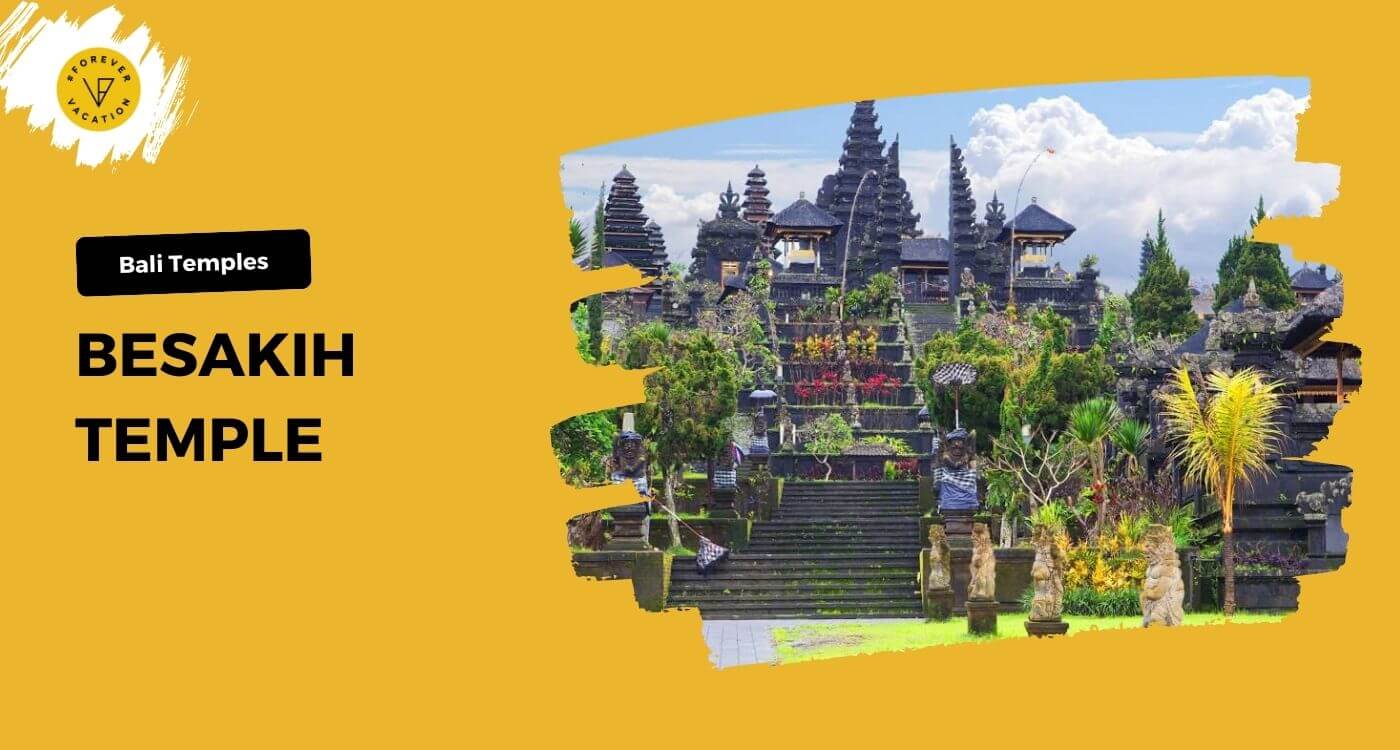
Besakih Temple, known as the Mother Temple, is the largest and holiest temple complex in Bali. Located on the slopes of Mount Agung, this sprawling site comprises 23 related temples spread across six levels. The main temple, Pura Penataran Agung, stands majestically at the heart of the complex, offering breathtaking views of the surrounding landscape.
When I visited Besakih, I was struck by the sheer scale and spiritual energy of the place. Locals often perform elaborate ceremonies here, and I was fortunate enough to witness a traditional procession during my visit. The experience was humbling and inspiring, making me appreciate the deep spiritual connection the Balinese people have with their land and gods.
Travel Tips:
- Best Time to Visit: Morning or late afternoon to avoid crowds and enjoy cooler weather.
- Entry Fee (2026): IDR 60,000 per person (includes a sarong and sash).
- Guides: Hiring a local guide enhances the experience, as they explain the significance of each temple within the complex.
- Respect Sacred Spaces: Some inner temple areas are reserved for worshippers, so observe respectfully from designated areas.
Standing at Besakih, with Mount Agung towering behind, I felt a profound sense of peace and reverence. If you're planning to explore this incredible temple and other stunning sights in Bali, you can book the Best of Ubud Tour.
9. Taman Ayun Temple: The Royal Water Temple
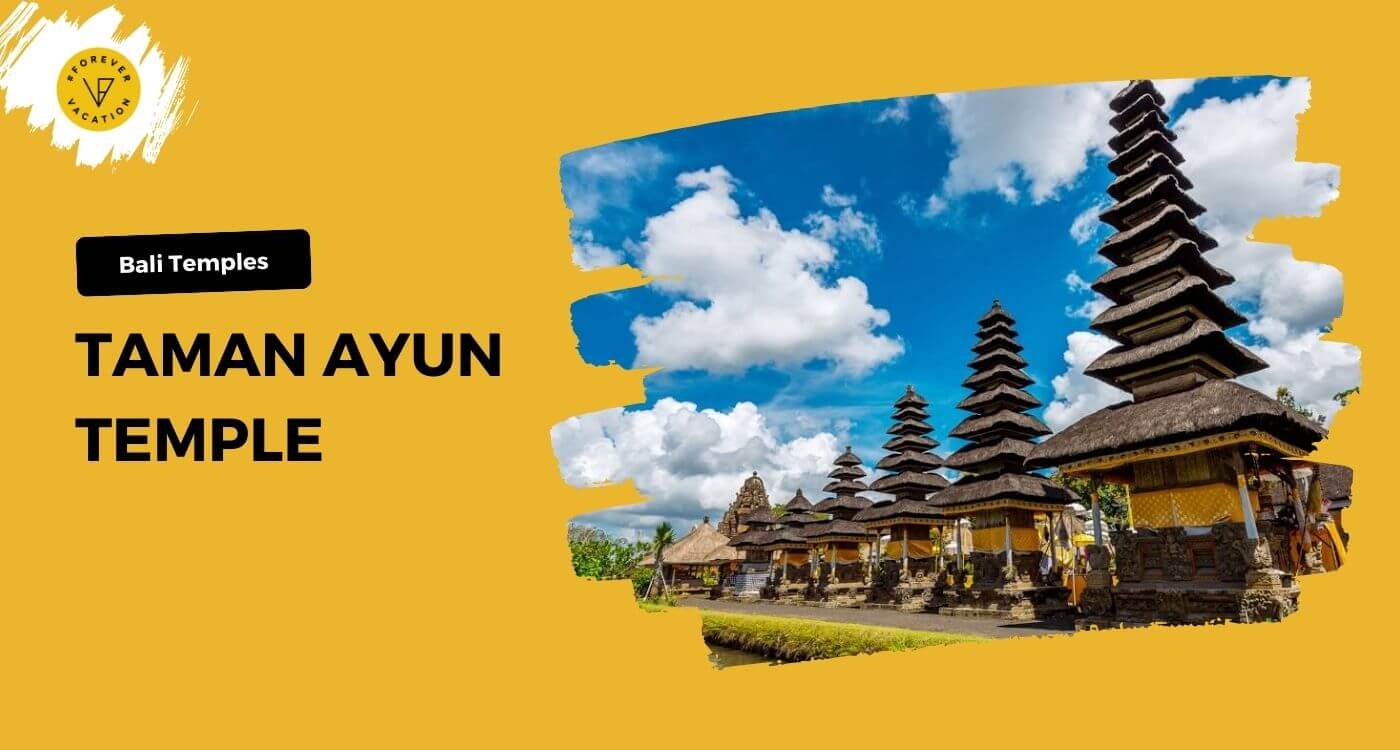
Taman Ayun Temple, located in Mengwi, is one of Bali's most beautiful royal temples. Built in the 17th century, this UNESCO World Heritage site is surrounded by a large moat, giving the impression that the temple is floating. Its name translates to "beautiful garden," and the temple certainly lives up to it with its well-manicured lawns, lotus ponds, and stunning tiered shrines (called Meru).
When I visited, I found Taman Ayun to be a peaceful escape from the busier tourist spots. The temple's intricate carvings and symmetrical layout showcase the architectural brilliance of the Mengwi kingdom.
Travel Tips:
- Best Time to Visit: Morning or late afternoon for cooler temperatures and fewer crowds.
- Entry Fee (2026): IDR 30,000 per person.
- Nearby Attractions: Combine this visit with Tanah Lot, which is only 30 minutes away — a perfect half-day combination.
10. Pura Saraswati: The Lotus Temple in Ubud
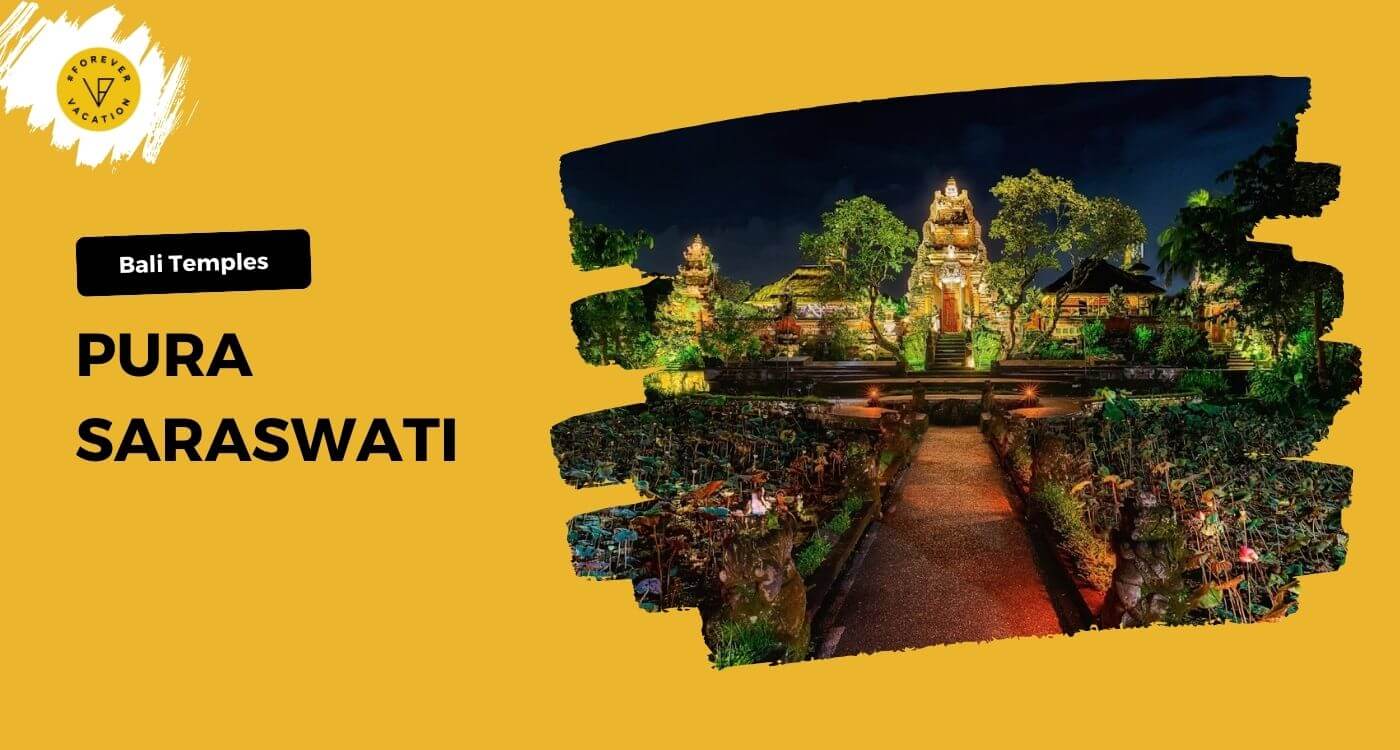
Pura Saraswati, located in the heart of Ubud, is a stunning water temple dedicated to Dewi Saraswati, the goddess of knowledge, art, and wisdom. The temple is famous for its tranquil lotus pond, which creates a serene and picturesque setting that feels like stepping into a Balinese painting.
The entrance pathway is flanked by blooming lotus flowers, leading to the temple's sacred grounds. While the inner sanctum is reserved for worshippers, visitors can admire the exquisite architecture and enjoy the peaceful surroundings. In the evening, traditional Balinese dance performances are held at the temple.
Travel Tips:
- Best Time to Visit: Morning for quiet exploration or evening for the dance performances.
- Entry Fee (2026): Free to enter. Tickets for evening performances are around IDR 100,000.
- Nearby Highlights: The temple is steps away from Ubud Palace and Ubud Market — perfect for a full cultural morning in Ubud.
11. Pura Gunung Lebah: A Hidden Gem in Ubud
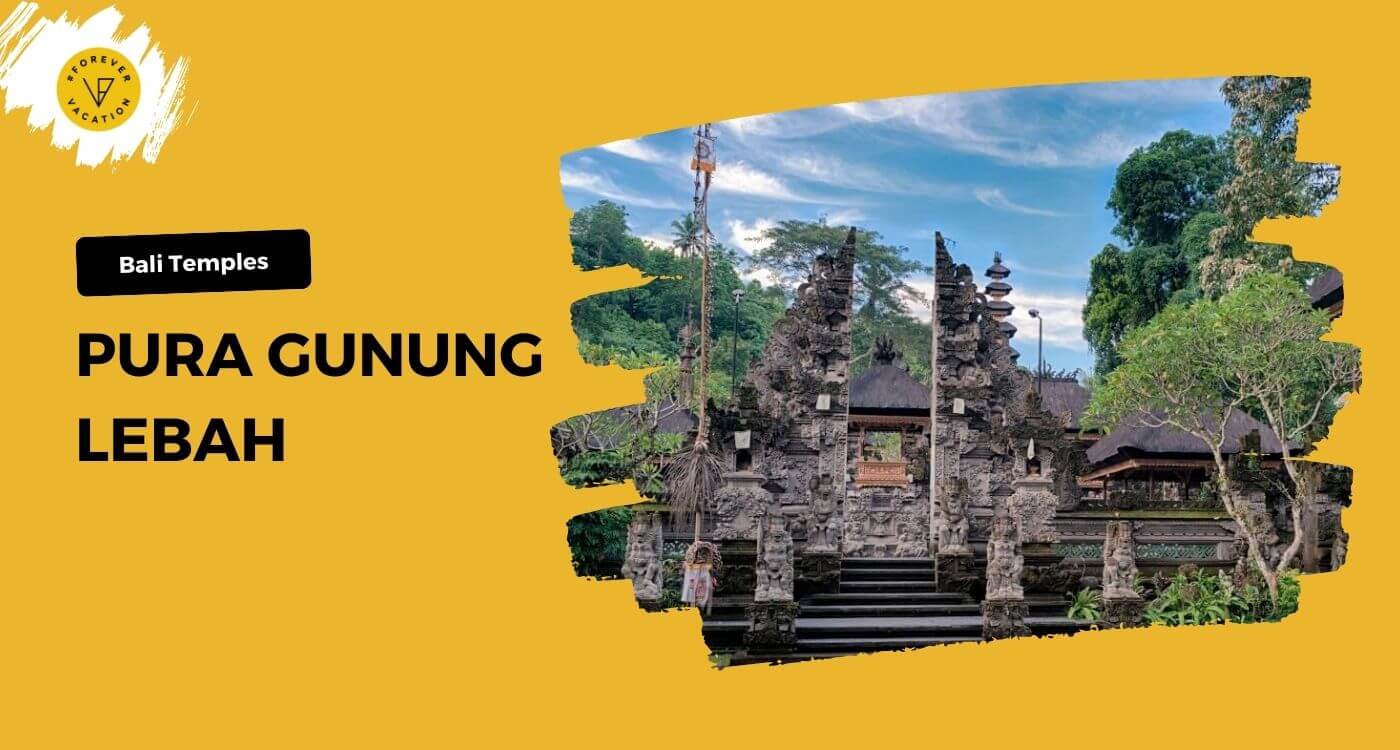
Pura Gunung Lebah is one of Ubud's oldest and most sacred temples, tucked away at the confluence of two rivers in the Campuhan Ridge area. Unlike the more tourist-heavy temples, Gunung Lebah retains an authentic, spiritual atmosphere that is rarely disturbed by large crowds.
The temple is believed to be one of the oldest in Ubud, and its riverside setting — surrounded by towering bamboo and lush greenery — makes it one of the most atmospheric spots in the area. After visiting the temple, it's worth walking the nearby Campuhan Ridge Walk for stunning views over the valley.
Travel Tips:
- Best Time to Visit: Early morning for a peaceful, crowd-free experience.
- Entry Fee (2026): Free. A small donation is appreciated.
- Combine With: Walk the Campuhan Ridge Walk directly from the temple for a perfect morning in Ubud.
12. Pura Penataran Agung Lempuyang: A Spiritual Journey
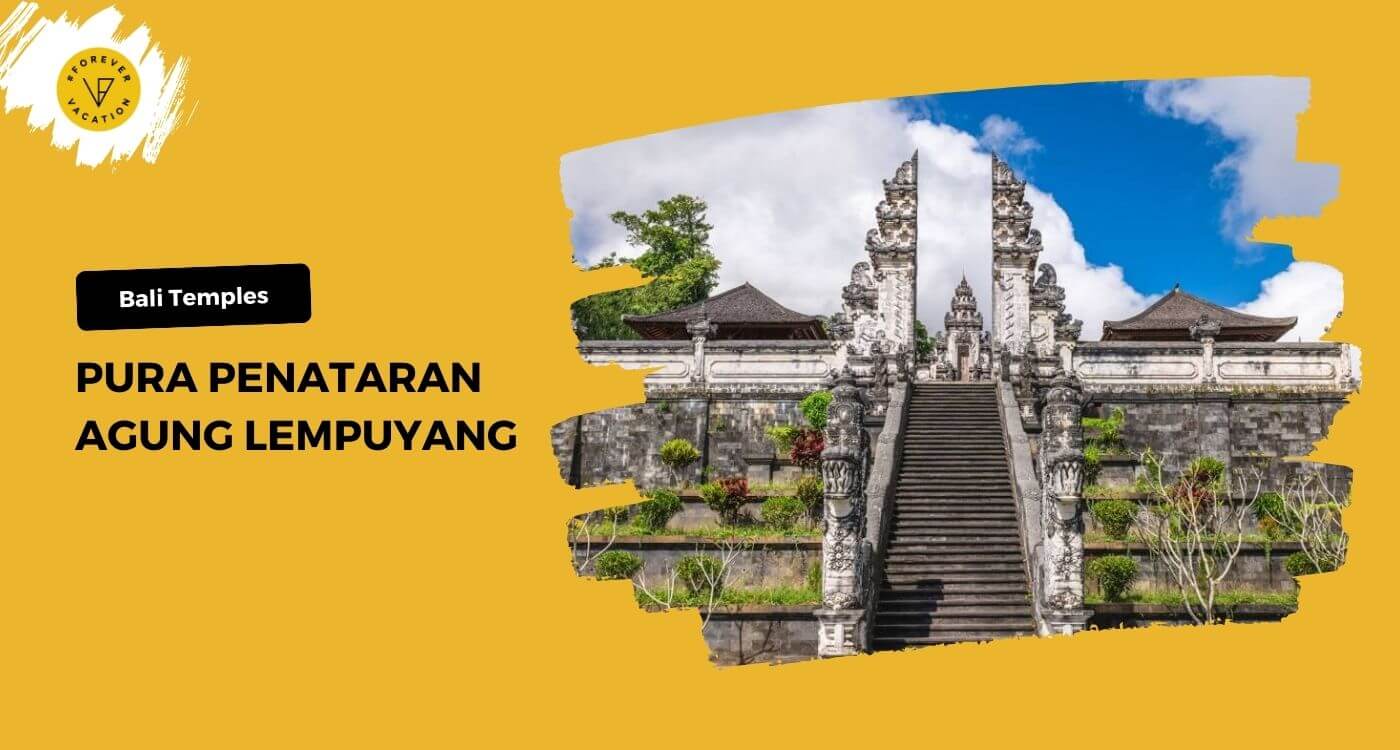
While Pura Lempuyang (the Gates of Heaven) gets most of the attention, Pura Penataran Agung Lempuyang is the main temple complex higher up the mountain — and one of the most sacred sites in all of Bali. As one of the six Sad Kahyangan temples, it holds immense spiritual significance for the Balinese people.
The climb to the upper temple involves over 1,700 steps through dense jungle, but the views from the top — looking out over East Bali and the sea — are extraordinary. This is a place of genuine pilgrimage, not just a photo opportunity.
Travel Tips:
- Best Time to Visit: Very early morning (before 6am) to complete the climb before the heat of the day.
- Entry Fee (2026): Donation-based.
- Fitness Level: Moderate to high — the full climb takes 2–3 hours return. Wear comfortable, closed-toe shoes.
13. Pura Tirta Gangga: The Water Palace Temple
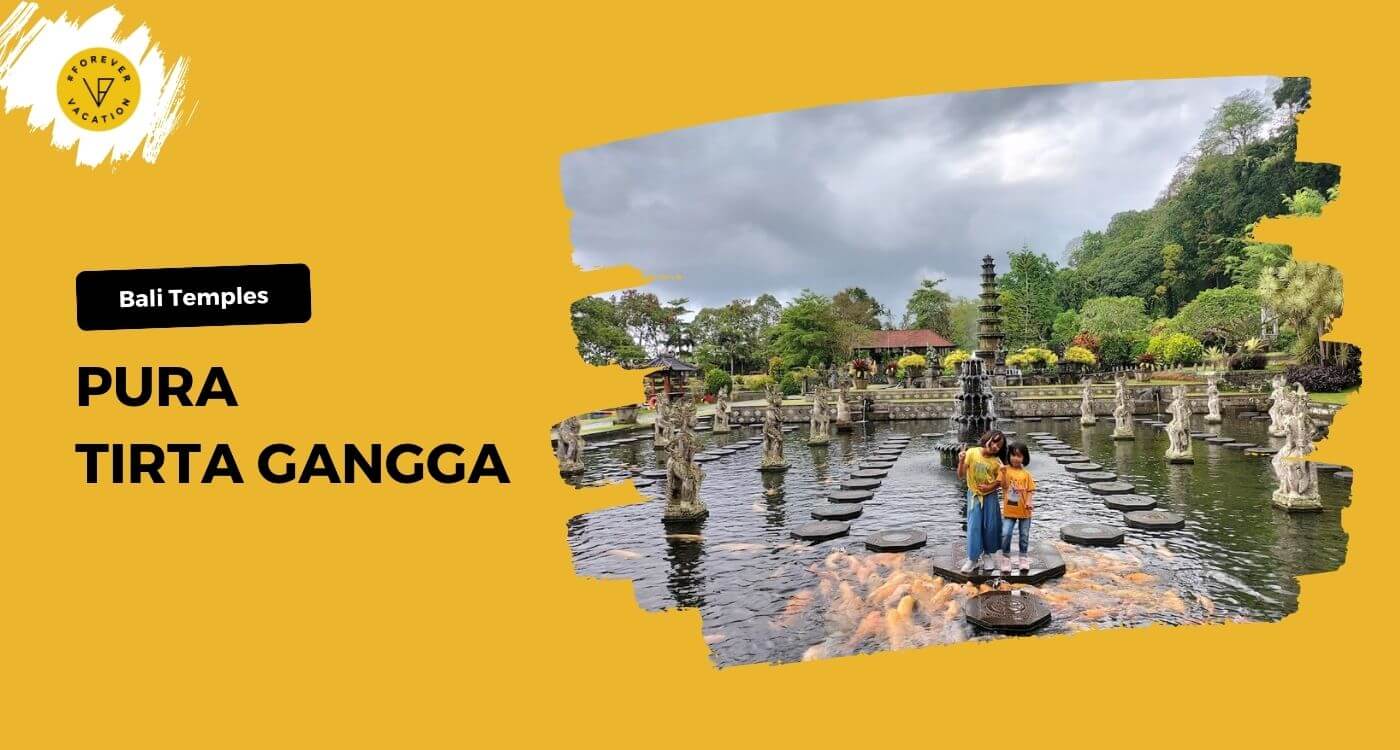
Tirta Gangga is one of East Bali's most beautiful and serene attractions — a former royal water palace featuring ornate pools, stepping stones, fountains, and lush tropical gardens. Built by the King of Karangasem in 1948, the complex blends Balinese and Chinese architectural styles in a uniquely beautiful way.
Visitors can swim in the lower pools (fed by sacred spring water), walk through the tiered gardens, and admire the intricate stone carvings. The surrounding rice terraces and views of Mount Agung make this one of the most photogenic spots in East Bali.
Travel Tips:
- Best Time to Visit: Morning, before tour groups arrive around 10am.
- Entry Fee (2026): IDR 50,000 per person. Swimming in the pools costs an additional IDR 15,000.
- Combine With: Tirta Gangga is close to Pura Lempuyang — combine both into a full day in East Bali.
14. Pura Batu Bolong: A Coastal Gem

Pura Batu Bolong is a small but striking sea temple located on a rocky outcrop on the beach near Canggu. The temple's name means "rock with a hole," referring to the natural arch in the rock beneath it. It's a far less crowded alternative to Tanah Lot and offers a similarly dramatic coastal setting.
The temple is an active place of worship and is particularly atmospheric at sunset, when local worshippers come to pray and the sky turns golden behind the shrine.
Travel Tips:
- Best Time to Visit: Sunset for the best light and atmosphere.
- Entry Fee (2026): Free. Sarong required — available to borrow at the entrance.
- Getting There: Located on Batu Bolong Beach in Canggu, easily accessible by scooter or taxi.
15. Pura Dalem Agung Padangtegal: The Sacred Temple in Monkey Forest
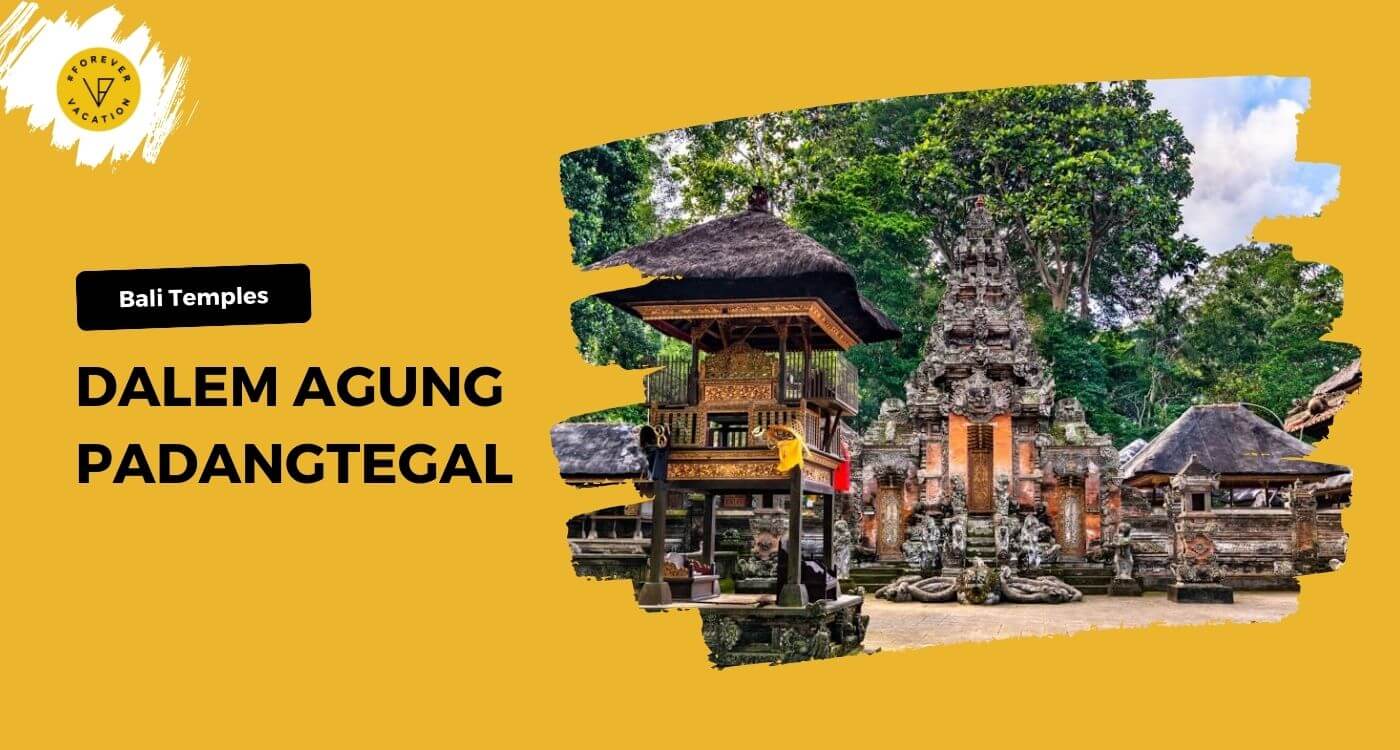
Located within the famous Ubud Monkey Forest, Pura Dalem Agung Padangtegal is a sacred Hindu temple dedicated to the god Shiva. The temple is surrounded by ancient banyan trees and hundreds of long-tailed macaques, creating one of the most unique and atmospheric temple settings in Bali.
The Monkey Forest itself is a nature reserve and spiritual site — the monkeys are considered sacred guardians of the temple. Visiting here combines wildlife, nature, and spirituality in a way that is uniquely Balinese.
Travel Tips:
- Best Time to Visit: Morning (before 9am) when the monkeys are most active and the forest is quieter.
- Entry Fee (2026): IDR 80,000 for adults, IDR 60,000 for children (includes Monkey Forest entry).
- Safety: Do not carry food, do not make eye contact with monkeys, and keep bags zipped. The monkeys are bold and will grab loose items.
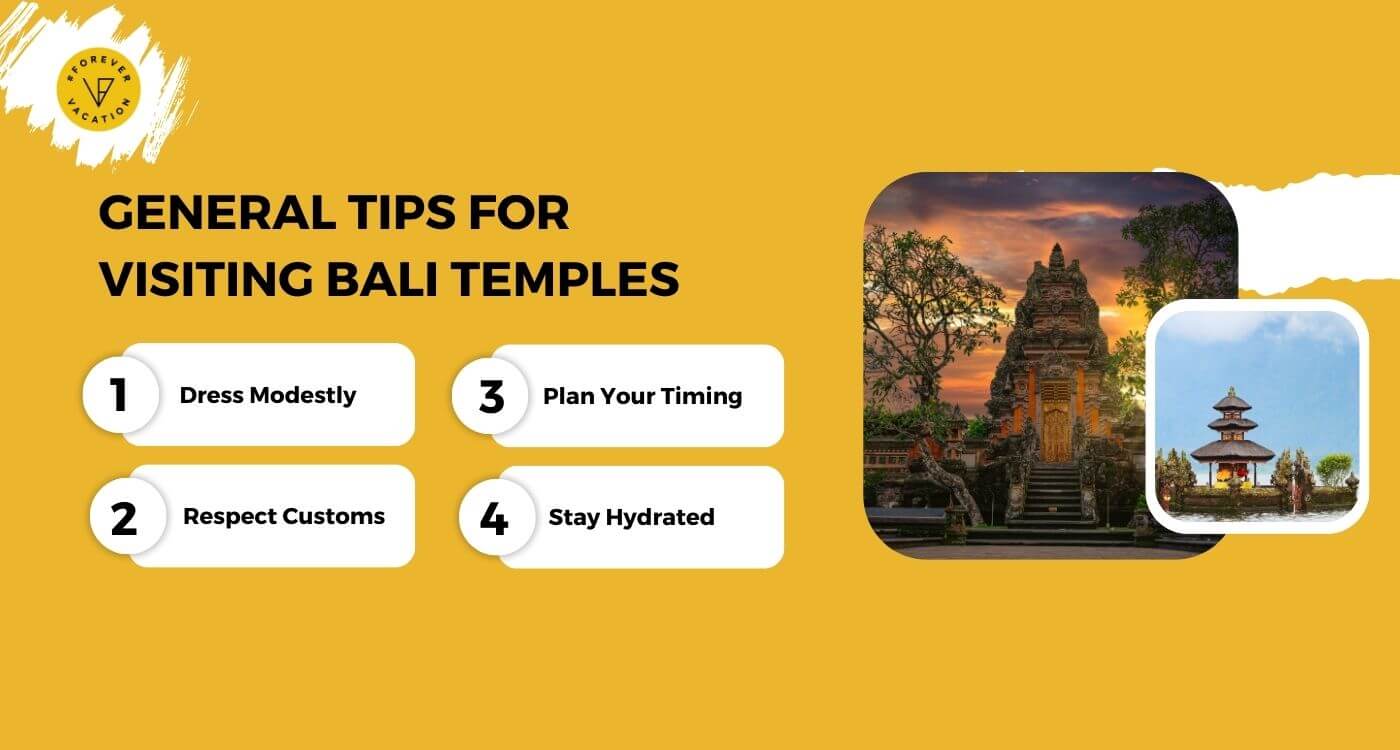
Essential Tips for Visiting Bali's Temples
1. Dress Respectfully
All temples in Bali require visitors to wear a sarong and sash. Most temples provide these at the entrance, either free or for a small rental fee. Shoulders and knees should be covered. Women who are menstruating are traditionally asked not to enter temple grounds.
2. Follow Temple Etiquette
Remove your shoes before entering inner temple areas. Do not point your feet toward shrines or sacred objects. Speak quietly and avoid loud behaviour. Never climb on temple structures or touch offerings.
3. Be Prepared for Crowds at Popular Sites
Temples like Tanah Lot, Pura Lempuyang, and Uluwatu can get extremely busy in 2026, particularly between 9am and 4pm. Arriving early is the single best way to avoid queues and enjoy a more peaceful experience.
4. Hire a Local Guide
A knowledgeable local guide can transform a temple visit from a sightseeing stop into a genuinely meaningful cultural experience. Guides explain the significance of each shrine, the stories behind the carvings, and the role each temple plays in Balinese spiritual life. You can find guides through your accommodation or by booking a Bali cultural tour.
5. Plan Your Timing
Mornings are the best time to visit temples. The air is cooler, the crowds are thinner, and the lighting is perfect for photography. Arriving early at popular sites like Tanah Lot or Pura Lempuyang can help you avoid long waits and enjoy a more serene experience.
6. Stay Hydrated
Bali's tropical climate can make temple visits physically demanding. Bring a reusable water bottle and stay hydrated, especially if you're exploring temples with steep steps, like Pura Lempuyang or Gunung Kawi. Take breaks in shaded areas when needed.
For more tips and insights to make the most of your Bali trip, check the Bali Travel Guide. By following these suggestions, you'll not only have a smoother and more enjoyable experience but also show genuine respect for Bali's culture and traditions.
Planning Your Temple-Hopping Itinerary
Exploring Bali's temples can be a deeply enriching experience, especially with a well-planned itinerary. Here's how to make the most of your temple visits based on your schedule, location, and travel preferences.
Suggested Itineraries
3-Day Itinerary:
- Day 1: Start with Tanah Lot and Batu Bolong in South Bali, then head to Uluwatu Temple for a sunset view and Kecak Dance.
- Day 2: Explore Ubud's temples — Pura Saraswati, Gunung Lebah, and Goa Gajah.
- Day 3: Visit the spiritual Tirta Empul Temple and nearby Gunung Kawi before wrapping up at Taman Ayun.
1-Week Itinerary:
- Days 1–2: Focus on South Bali and Uluwatu, adding cultural experiences in the area.
- Days 3–4: Immerse yourself in Ubud's cultural and spiritual sites, including Pura Saraswati, Goa Gajah, and Monkey Forest.
- Days 5–6: Explore East Bali with a trip to Pura Lempuyang, Tirta Gangga, and Besakih Temple.
- Day 7: Visit Lake Beratan's Ulun Danu Beratan Temple and enjoy the scenic Bedugul region.
Grouping Temples by Location
- South Bali: Tanah Lot, Batu Bolong, Uluwatu Temple, Taman Ayun.
- Ubud Region: Pura Saraswati, Gunung Lebah, Goa Gajah, Tirta Empul, Gunung Kawi.
- East Bali: Pura Lempuyang, Tirta Gangga, Besakih Temple.
- North Bali: Ulun Danu Beratan and the temples of Bedugul.
Transportation Options
- Hiring a Private Driver: The most convenient option, allowing you to customise your itinerary. Costs typically range from IDR 500,000 to 700,000 per day for a full-day hire.
- Renting a Scooter: For the adventurous, scooters offer flexibility and affordability (around IDR 60,000–80,000 per day in 2026). Ensure you have a valid international driver's licence.
- Guided Tours: Many tour operators offer temple-hopping packages, combining multiple temples with cultural experiences. This is a great option if you prefer a structured itinerary with expert commentary.
Seasonal Considerations and Festivals
- Best Time to Visit: The dry season (April to October) is ideal for temple visits, with clearer skies and comfortable weather.
- Temple Festivals: Each temple has its own odalan (anniversary) celebration, which can be a unique cultural experience. Check the festival calendar to align your visit with these vibrant ceremonies.
- Avoid Peak Crowds: Early mornings and weekdays are less crowded, making for a more peaceful experience.
With thoughtful planning, you can create an itinerary that balances exploration, relaxation, and cultural immersion, making your temple visits unforgettable.
Final Words
Bali's temples are more than just stunning landmarks — they are a gateway to the island's spiritual essence and rich cultural heritage. From the cliffside beauty of Uluwatu Temple to the serene water features of Ulun Danu Beratan, each temple offers a unique experience that leaves visitors inspired and connected.
If you're planning a trip to Bali, these temples are the perfect starting point to immerse yourself in the island's culture and spirituality. For an even deeper experience, consider exploring Bali's traditional festivals or its spectacular rice terraces, which complement the island's spiritual journey beautifully.
Ready to Visit Bali's Famous Temples?
Browse our hand-picked Bali tours — all-inclusive with expert local guides, transport, and entrance fees included.
Browse All Bali Tours →Recommended Articles



Get your VACATION on!
Expertly curated emails packed full of vacation inspiration, travel tips and more!