


 +1 617 404 2125


Traditional Balinese Massage in Bali: A Traveler’s Guide


BY Jess Leak
9 days ago


Bali is known for its lush landscapes, vibrant culture, beautiful beaches, and wellness experiences. For many visitors, a traditional Balinese massage offers a welcome opportunity to slow down between sightseeing, beach days, and adventures around the island.
Balinese massage is a massage style associated with Indonesia’s island of Bali. It commonly combines flowing strokes, kneading, gentle stretching, and pressure-point techniques, often using massage oil. Whether you are visiting Ubud, Seminyak, Canggu, or Jimbaran, you will find a variety of spa experiences to explore.
In this guide, you will learn what a traditional Balinese massage involves, what to expect during a session, how to choose a spa, and what to consider before booking your treatment.

Our Top Trending Tours
-
All-Inclusive
-
All-Inclusive

-
All-Inclusive
What Is a Traditional Balinese Massage?
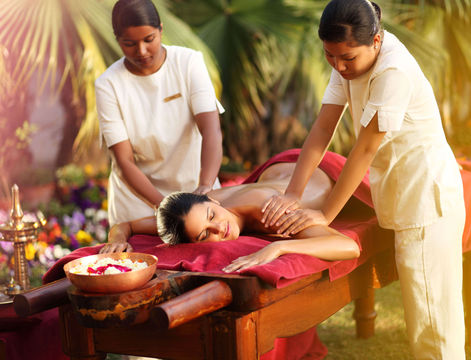
Traditional Balinese massage is a hands-on massage practice associated with Bali, Indonesia. It is commonly described as combining several techniques, including long, flowing strokes, kneading, gentle stretching, and pressure applied to particular areas of the body.
Many treatments use massage oil to help the therapist perform smooth movements. Depending on the practitioner and spa, a session may include lighter, relaxing strokes alongside firmer pressure on areas of muscle tightness.
There is no single routine followed by every spa. The techniques, pace, pressure, oils, and overall atmosphere can vary depending on the therapist and the treatment you choose.
A typical appointment begins with a short conversation about your preferences. You may be asked whether you prefer light or firm pressure, whether there are areas you want the therapist to avoid, and whether you have any sensitivities to massage oils or fragrances.
If you are new to massage, you can ask questions before the treatment begins. You can also request a change in pressure or ask the therapist to stop at any point during the session.
For more ideas, explore our guide to Bali spa experiences.
Benefits of Traditional Balinese Massage
Many travelers choose a Balinese massage as a way to unwind during their holiday. A session can provide a quiet break from a busy itinerary, particularly after days spent walking, exploring temples, or traveling between destinations.

Individual experiences vary, and massage should not be considered a substitute for medical care.
1. A relaxing break during your Bali holiday
A comfortable treatment room, a quiet environment, and flowing massage techniques can create a relaxing experience. For travelers with packed itineraries, setting aside time for a spa visit can be an enjoyable way to slow down.
2. Temporary relief from muscle tightness
Kneading and pressure may help some people feel temporarily more comfortable when their muscles feel tight after physical activity. Let the therapist know if a technique causes pain or discomfort, and ask for lighter pressure when needed.
3. An introduction to Bali's spa culture
Balinese massage is one of several wellness experiences available on the island. Some spas offer it alongside flower baths, body scrubs, foot treatments, or other traditional-inspired treatments.
Ask the spa what each package includes before booking, as treatment names and inclusions can differ between providers.
4. A personalized spa experience
Many spas allow guests to communicate their preferences regarding pressure, areas of focus, and fragrance. Discussing these details before the session can help you select an experience that suits your comfort level.
Massage does not need to be painful to feel effective. Claims that it detoxifies the body or cures medical conditions should be treated cautiously.
For more wellness ideas, browse our guides to yoga in Bali and choosing a Bali retreat.
What to Expect During a Balinese Massage
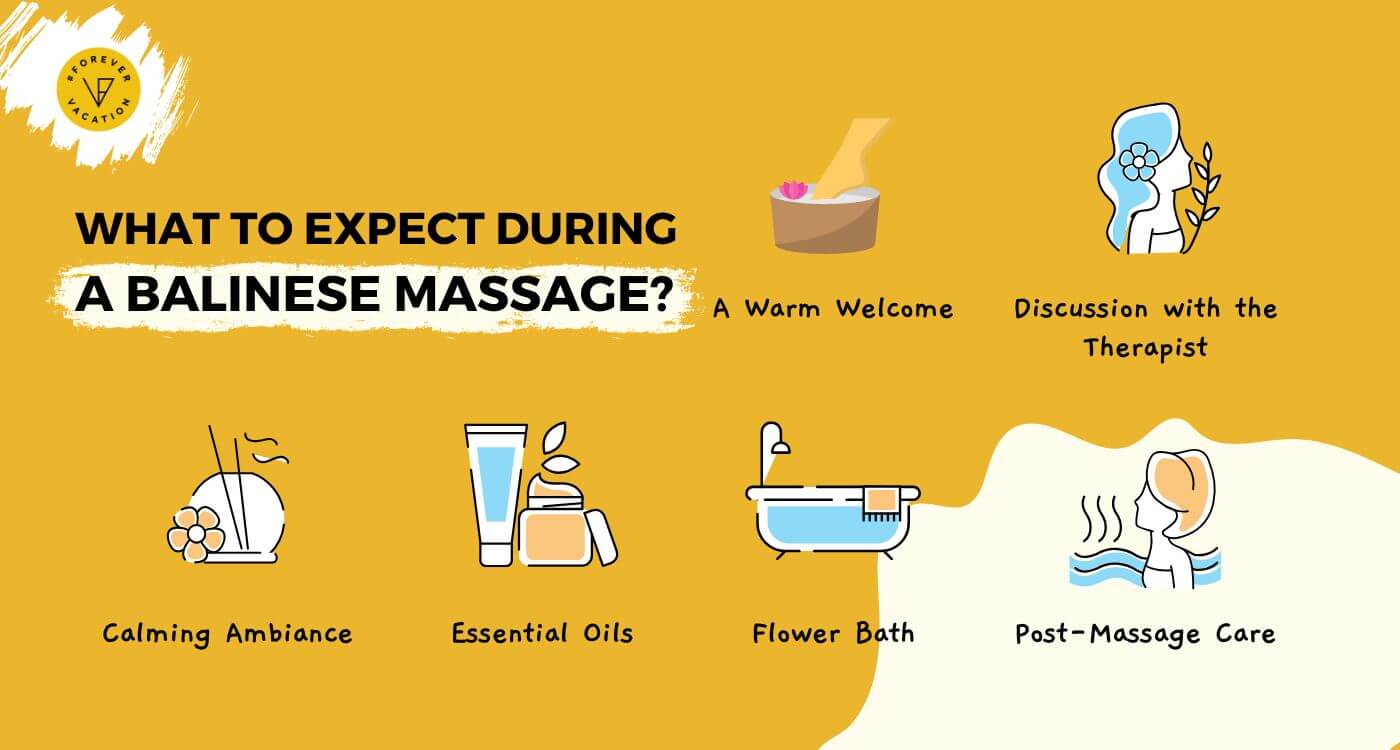
Although every spa has its own approach, a traditional Balinese massage usually follows a straightforward process, from discussing your preferences to completing the treatment.
1. Arrival and consultation
Your visit may begin with a welcome, a brief explanation of the treatment, and questions about your preferences. Some spas offer a foot soak or refreshments, depending on the package.
Use this opportunity to mention any injuries, sensitive areas, allergies, or fragrance preferences that may affect your comfort.
2. Preparing for the treatment
The therapist should explain what you need to wear and how privacy and draping are handled. Many spas provide towels, a sarong, or other coverings.
If you have questions about the treatment room, products, or level of undressing required, ask before the session begins.
3. Massage techniques and pressure
The treatment may include flowing strokes, kneading, gentle stretching, and firmer pressure. Massage oil is commonly used, although products and techniques vary.
Tell your therapist whether you prefer lighter or firmer pressure. You should feel comfortable asking them to adjust their approach during the session.
4. Finishing the session
Once the massage ends, you can take a moment to get dressed and return to your day at a comfortable pace. Follow any practical instructions provided by the spa, especially if you have questions about the products used.
Before booking, confirm the session length, treatment inclusions, total cost, and cancellation policy.
How Much Does a Balinese Massage Cost in Bali?
The cost of a Balinese massage depends on the spa, location, treatment duration, facilities, and package inclusions. A neighborhood massage studio and a luxury resort spa may offer very different experiences and prices.
Rather than relying on a single island-wide price, compare current treatment menus from the spas you are considering.
| Spa category | What to expect |
|---|---|
| Local massage studios | Generally simpler facilities and straightforward treatments |
| Mid-range day spas | A dedicated spa environment and a wider selection of treatments or packages |
| Luxury resort spas | Premium facilities, private treatment rooms, and additional amenities depending on the property |
These categories are general descriptions, not guaranteed price tiers. Check current prices directly with each provider.
Before making a reservation, confirm:
- The treatment duration and whether consultation time is included.
- Whether massage oil, a foot soak, or other extras are included.
- Whether taxes or service charges are added to the displayed price.
- Whether advance booking or a deposit is required.
- The cancellation and rescheduling terms.
If you are traveling on a budget, comparing several nearby spas can help you find an option that fits your plans without paying for facilities you do not need.
Where to Find a Balinese Massage in Bali
Bali offers spa experiences ranging from small neighborhood treatment rooms to high-end resort facilities. The best option depends on where you are staying, how much you want to spend, and the atmosphere you prefer.
The following venues are options to investigate when planning your trip. Check their current websites, treatment menus, recent reviews, and operating details before visiting.
1. Luxury spa experiences

Fivelements Retreat, Ubud area
Fivelements is associated with a wellness-focused retreat experience. It may suit travelers interested in a setting that combines relaxation with a broader wellness atmosphere. Check its current offerings and location details before planning a visit.
AYANA Spa, Jimbaran
AYANA Spa is a resort spa option in the Jimbaran area. It may appeal to travelers looking for a more upscale spa experience as part of a resort stay or coastal itinerary.
Jaens Spa Center, Ubud
Jaens Spa Center is another name to investigate when comparing spa options in Ubud. Review its current treatment menu, facilities, and booking information to determine whether it suits your preferences.
For all three venues, confirm that the specific Balinese massage treatment you want is currently available. A luxury spa may offer several different massage styles, and not every treatment is necessarily traditional Balinese massage.
2. Day spas and massage studios

Bodyworks, Seminyak
Bodyworks is an established spa name associated with Seminyak. Travelers comparing day spas can check its current treatments, pricing, and reservation requirements.
Luna Spa, Canggu
If you are staying in or around Canggu, check current local listings and booking information for Luna Spa before making plans.
Sang Spa, Ubud
Travelers considering Ubud can also investigate Sang Spa. Confirm its current operating status, location, services, and pricing before visiting.
These options should be compared using current information rather than assumed to be the cheapest or best-rated choices.
3. Coastal spa experiences

If you are staying near Bali's beaches, you may prefer to find a spa close to your accommodation rather than travel across the island for a treatment.
La Joya, near Balangan Beach
La Joya is associated with the Balangan area. If you are considering a coastal spa visit, verify its current facilities and available treatments before booking.
Dream Beach Huts Spa, Nusa Lembongan
For travelers visiting Nusa Lembongan, check whether spa treatments are currently available through Dream Beach Huts and confirm the exact location and booking arrangements.
Remember that Nusa Lembongan is a separate island from Bali's mainland. Allow time for your boat journey and local transportation if you plan to combine a spa visit with other activities.
4. Independent neighborhood spas
Independent spas can be convenient when you want a massage close to your hotel or want to compare different treatment prices.
Before choosing one, look for recent reviews, clear service descriptions, visible hygiene standards, and transparent pricing. Ask which techniques are included in the massage and whether the therapist can accommodate your preferences.
A smaller spa is not automatically better or worse than a resort spa. Choose based on the quality of information available, your comfort, and the experience you want.
How to Choose the Right Spa in Bali
Finding a suitable spa involves more than choosing the most attractive treatment room or the lowest advertised price.
Check recent reviews
Read recent guest feedback rather than relying exclusively on older ratings. Look for specific comments about cleanliness, therapist communication, comfort, and whether the treatment matched the description.
Compare the actual treatments
Two spas may use the same treatment name while offering different techniques or session structures. Ask what is included and whether the therapist can adjust the pressure to your preferences.
Confirm the location
Consider how far the spa is from your accommodation or planned activities. Bali's travel times can vary considerably, so a nearby spa may be more convenient than one on the other side of the island.
Check hygiene and product information
Look for a clean treatment environment and clear information about the products being used. If you have sensitive skin or fragrance allergies, ask whether suitable alternatives are available.
Understand the booking terms
Confirm the full price, session duration, additional charges, payment arrangements, and cancellation policy. If you are booking through a third-party platform, check who is responsible for changes or cancellations.
Communicate health and comfort concerns
Tell the spa about relevant injuries, skin sensitivities, or other concerns before the session. If you are unsure whether massage is appropriate for you, consult a qualified healthcare professional.
Tips for First-Time Visitors
If this is your first Balinese massage, a little preparation can make the experience easier.

Choose a convenient time. Consider booking when you have enough time to enjoy the session without rushing to your next activity.
Arrive a little early. This gives you time to check in, review the treatment details, and communicate your preferences.
Start with comfortable pressure. If you are unsure what you prefer, ask the therapist to begin gently. You can request adjustments throughout the session.
Mention allergies and sensitivities. Ask which oils or other products will be used, especially if you prefer fragrance-free products.
Ask what to wear. Many spas provide towels or coverings, but the arrangements vary. Confirm what the provider supplies and communicate any privacy preferences.
Keep your plans flexible. Allow a little time after your appointment to get dressed and continue your day comfortably.
Check the total price before treatment. Confirm the final amount and any additional charges before agreeing to the service.
Balinese Massage vs. Thai Massage vs. Deep-Tissue Massage
If you are comparing massage styles in Bali, understanding the general differences can help you decide what to book.
| Massage style | Commonly described techniques | Consider it if you prefer |
|---|---|---|
| Balinese massage | Flowing strokes, kneading, pressure-point techniques, and sometimes gentle stretching | A combination of relaxation-focused strokes and varied pressure |
| Thai massage | Assisted stretching, rhythmic pressure, and movement-based techniques; traditional forms are often performed without oil | A more movement-focused massage experience |
| Deep-tissue massage | Slower, firmer pressure directed toward deeper layers of muscle and connective tissue | A treatment specifically focused on firmer pressure |
These are broad descriptions. Individual practitioners may adapt techniques, and treatment names do not guarantee an identical experience.
If you are booking a massage to address a particular discomfort, communicate your needs clearly and avoid assuming that more pressure will produce better results.
Other Wellness Experiences to Explore in Bali
A massage can be one part of a wider Bali wellness itinerary. Depending on your interests, you may also want to explore the following experiences.
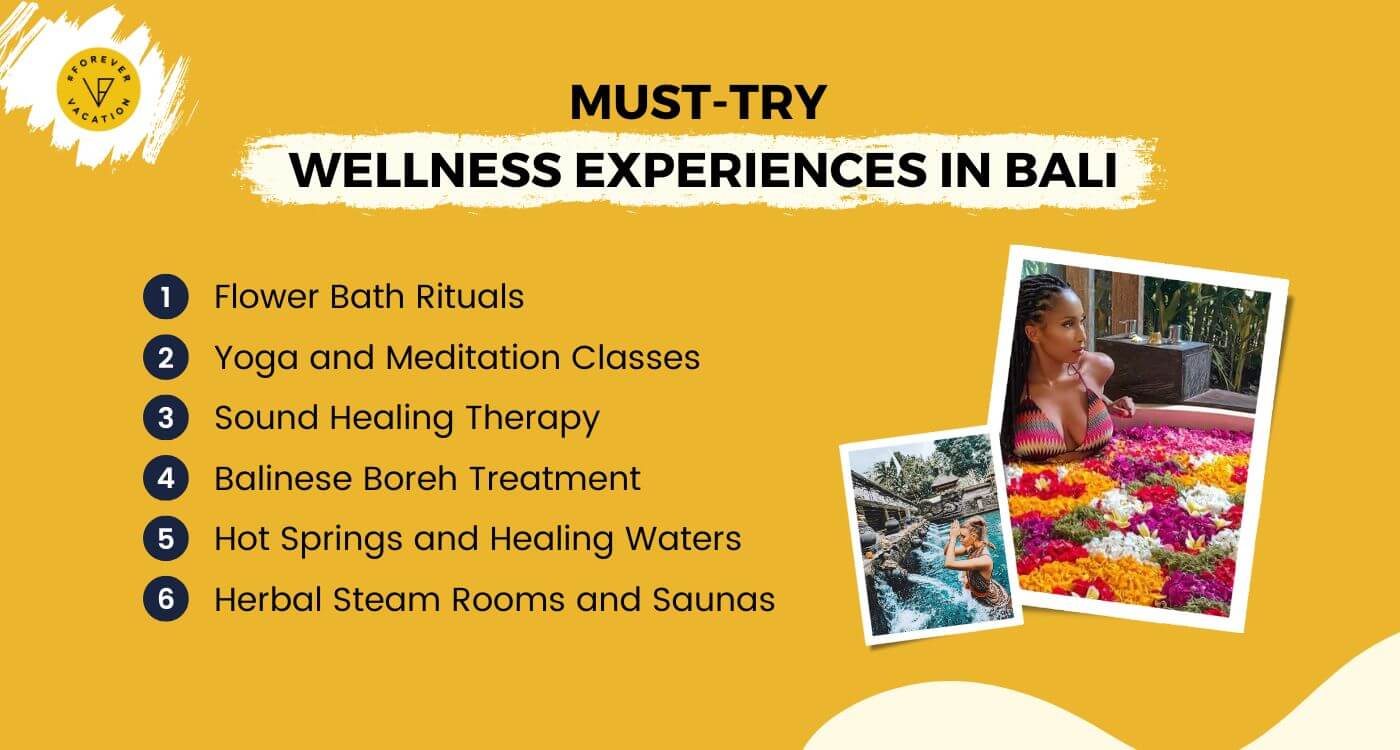
1. Flower baths
Some spas offer flower baths as standalone treatments or as part of a massage package. Ask whether the bath is included, what products are used, and how much time is allocated to the experience.
For a combined activity, explore our flower bath, massage and Tirta Empul experience.
2. Yoga and meditation
Bali has yoga studios, retreat centers, and meditation sessions for different experience levels. Ubud and Canggu are two areas travelers often consider when looking for classes.
Check the schedule, instructor details, location, and whether a class requires advance booking.
3. Sound baths
Some wellness venues offer sound-based relaxation sessions using instruments such as gongs and singing bowls. These can be an option for travelers interested in a quiet, guided experience.
Descriptions of spiritual or healing effects should be understood as practitioner or participant perspectives, not guaranteed medical outcomes.
4. Balinese boreh treatments
Boreh is a traditional warming body treatment commonly described as using spice-based ingredients. Formulations vary, so ask about the ingredients and test suitability with the provider if you have sensitive skin or allergies.
5. Hot springs and water temples
Toya Devasya, in the Kintamani area, is associated with hot-spring facilities, while Tirta Empul is known for its water temple and purification traditions.
These are different experiences with their own customs and practical considerations. Check current visitor information, entry requirements, and local guidance before going.
6. Steam rooms and saunas
Some hotels and wellness venues offer steam rooms or saunas alongside other treatments. Check the available facilities and ask about the products used if you have any sensitivities.
7. Spiritual and energy-based practices
Bali also has practitioners offering experiences such as Reiki and other spiritual practices. Research the provider, understand what the session involves, and approach claims about health outcomes with care.
8. Healthy cafés
If you are planning a wellness-focused day, you might finish with a meal or drink at a café. Ubud and Canggu offer a range of dining options, including plant-based dishes and fresh juices.
Check current menus and opening hours rather than assuming every café caters to specific dietary needs.
Planning a Spa Visit Around Your Bali Itinerary
The most convenient spa experience is often one that fits naturally into your existing travel plans.
If you are staying in Ubud, consider comparing spas near your accommodation or combining a treatment with time to explore the town. Travelers based in Seminyak or Canggu may prefer a nearby day spa between beach visits and meals.
If you are staying in Jimbaran, look at coastal and resort options in the surrounding area. For a trip to Nusa Lembongan, plan your spa visit around your island transportation rather than assuming you can easily travel back and forth to mainland Bali.
You can also combine a spa treatment with a wider sightseeing itinerary. For example, our Bali VIP Ultimate Spa Experience & Tanah Lot Temple Visit may be worth exploring if you want to compare a combined wellness and sightseeing option.
Before booking a package, check the itinerary, transport arrangements, treatment inclusions, total price, and time available at each stop.
Embrace the Wellness Side of Bali
A traditional Balinese massage can be a relaxing addition to your Bali holiday, whether you are taking a break after sightseeing or setting aside time for a dedicated spa visit.
The experience depends on the practitioner, treatment style, setting, and your personal preferences. Compare current menus, check recent reviews, communicate your comfort requirements, and choose a spa that clearly explains what it offers.
If you are planning more wellness activities, explore our guides to Bali spa experiences, yoga in Bali, and the Bali travel guide.
You can also browse our Bali tours to find experiences that fit the rest of your itinerary.
Our Best Selling Tour
- All-Inclusive
- Bali VIP Ultimate Spa Experience & Tanah Lot Temple Visit(15 Reviews)
If you've come to Bali to experience one (or more!) of its luxury spas, this tour is for you. The Bali VIP Ultimate Spa Experience & Tanah Lot Temple Visit is a...
US$159/pp Learn more
Frequently Asked Questions About Traditional Balinese Massage
Is Balinese massage painful?
It should not be necessary to tolerate painful pressure. Some techniques may feel firm, but you can ask the therapist to reduce the pressure or stop at any time. Communicate your preferences before and during the treatment.
What should I wear during a Balinese massage?
Many spas provide towels, a sarong, or other coverings. Arrangements vary by provider, so ask what to bring and how privacy is handled before your appointment.
How long does a Balinese massage last?
Session lengths vary by spa and package. Check the treatment menu for the duration and confirm whether consultation time or other services are included.
How much does a Balinese massage cost in Bali?
The price depends on the spa, location, treatment length, and package inclusions. Compare current menus and confirm the total price, including any applicable taxes or service charges, before booking.
How often should I get a massage during my Bali trip?
That depends on your preferences, schedule, and comfort. There is no universal frequency that suits everyone. If you have a health concern or are unsure whether massage is appropriate for you, consult a qualified healthcare professional.
What does traditional Balinese massage involve?
It commonly combines flowing strokes, kneading, pressure-point techniques, and sometimes gentle stretching, often with massage oil. The exact techniques and sequence vary between practitioners.
Is Balinese massage the same as deep-tissue massage?
No. Balinese massage may include firmer pressure, but it also commonly incorporates flowing strokes and other techniques. Deep-tissue massage generally emphasizes slower, firmer pressure. Ask the spa which techniques are included in the treatment you are booking.
Should I tip a massage therapist in Bali?
Tipping practices vary by spa and service. Check whether a service charge is included and whether the provider has a tipping policy. If you wish to leave a tip, consider the local context and your experience.
Can I book a Balinese massage without a reservation?
Booking requirements depend on the spa, season, and treatment. Walk-in appointments may be possible at some providers, but advance booking is sensible if you have a specific spa, time, or therapist in mind.
What should I check before booking a Balinese massage?
Check recent reviews, the spa's location, treatment duration, current price, products used, hygiene information, and cancellation terms. Tell the provider about relevant allergies, sensitivities, injuries, and pressure preferences before the treatment begins.
Recommended Articles


Get your VACATION on!
Expertly curated emails packed full of vacation inspiration, travel tips and more!