


 +1 617 404 2125


Best Beaches Near Ho Chi Minh City

BY Jess Leak
3 days ago


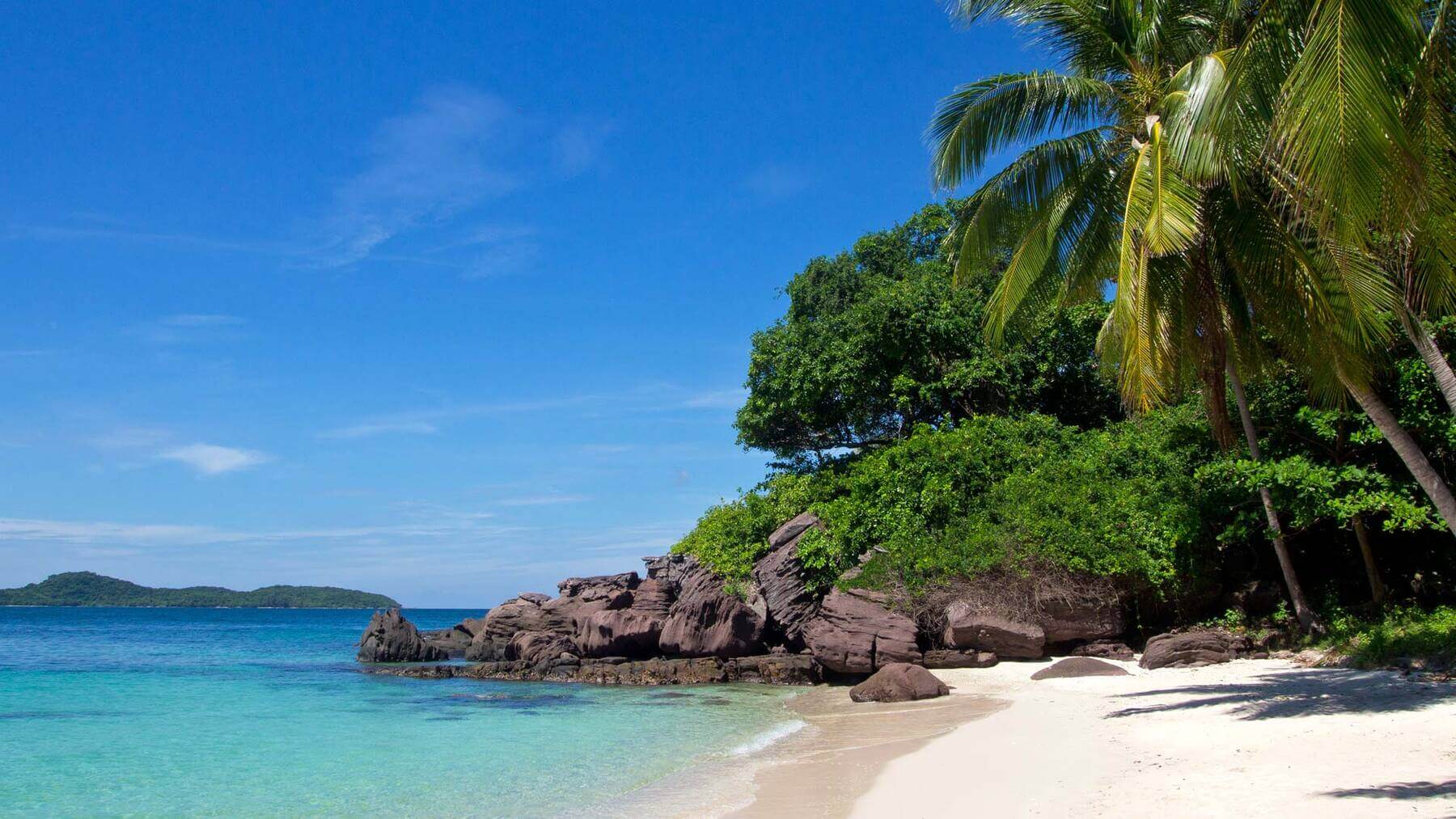
Ho Chi Minh City is Vietnam’s largest city, but it is not a classic beach destination: the city center is inland and most visitors travel beyond it for a swim and seaside time. The good news is that the coast offers several different escapes, from Vung Tau for a relatively quick break to Mui Ne, Phu Quoc and Con Dao for longer trips. This guide compares seven options, explains what each is best for, and helps you choose based on travel time and trip length.
Journey times below are estimates, not guarantees. Traffic, departure point, ferry or flight schedules, weather and seasonal services can all change the total travel time. Check current transport and local sea conditions before setting out. For context on the city and what to do there, see our Ho Chi Minh City travel guide and trip-planning guide.
At a glance: Vung Tau is the most practical classic beach break; Long Hai and Ho Tram offer a quieter coastal stay; Mui Ne and Doi Duong are better with an overnight; Phu Quoc and Con Dao are island holidays that require flight or ferry planning.
Our Top Trending Tours
-
All-Inclusive

-
All-Inclusive

-
All-Inclusive

Which beach near Ho Chi Minh City is right for you?
| Destination | Best for | Trip style |
|---|---|---|
| Vung Tau | A convenient seaside break, seafood and promenades | Day trip or weekend; road or hydrofoil options |
| Long Hai | A slower coastal stay and a less city-like atmosphere | Best as a relaxed day or overnight |
| Ho Tram | Resort stays, a long shoreline and a quieter pace | Overnight or weekend |
| Doi Duong, Phan Thiet | A local city beach with a park nearby | Long day or overnight |
| Mui Ne | Wind sports, coastal scenery and sand dunes | Overnight or longer |
| Phu Quoc | An island beach holiday and resort options | Plan a multi-day flight trip |
| Con Dao | Nature, quieter beaches and island exploration | Plan around flights or ferry schedules; stay overnight |
For a wider look at the country’s coastline, browse our guide to the best beaches in Vietnam.
Vung Tau: the easiest classic beach escape
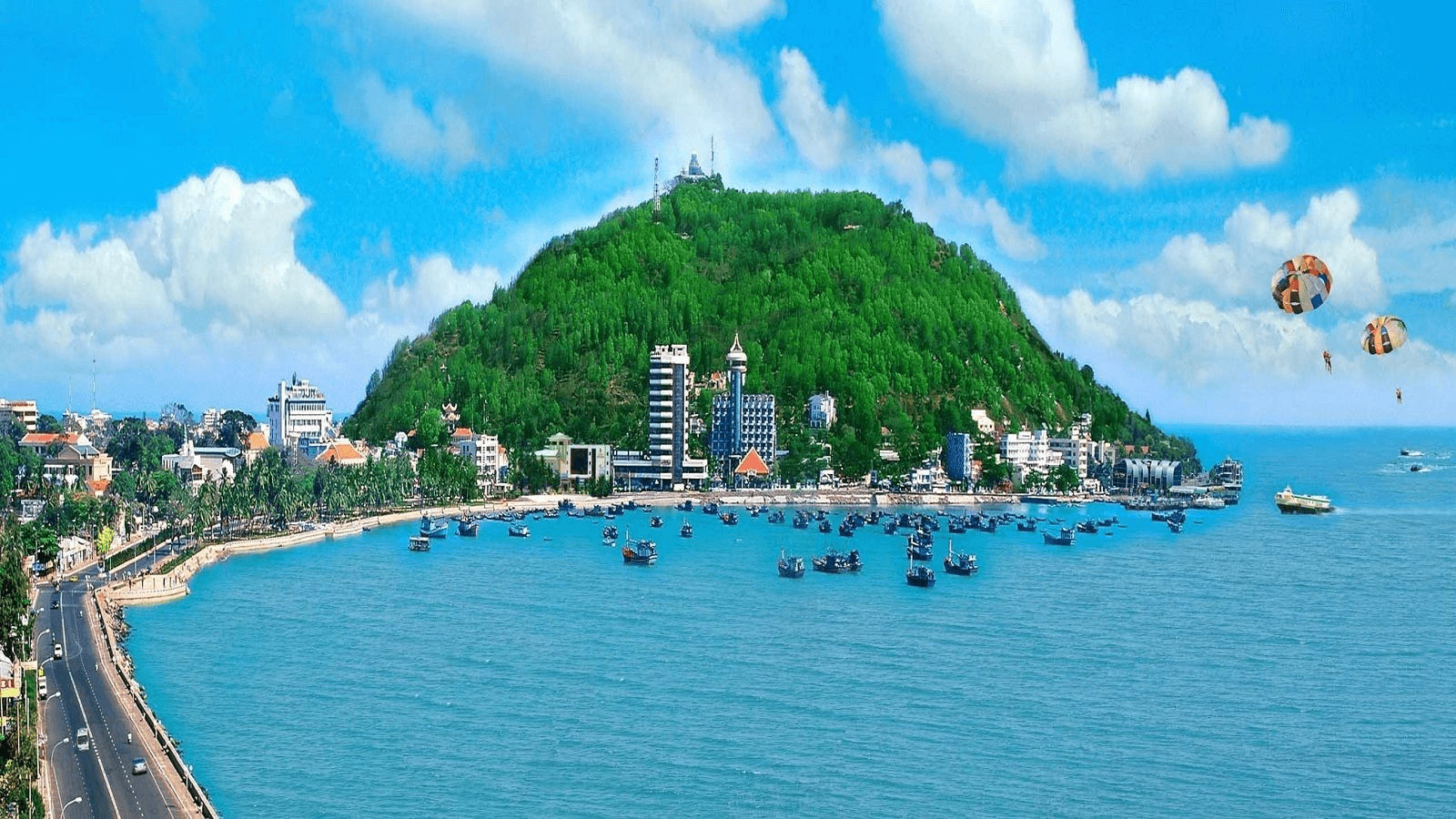
Vung Tau is a popular coastal break from Ho Chi Minh City, with beach promenades, seafood restaurants and several distinct stretches of sand. Front Beach (Bai Truoc) faces the bay and has a more urban waterfront feel. Back Beach (Bai Sau) is the long, open shoreline commonly associated with swimming and beach time. Pineapple Beach and Mulberry Beach are smaller alternatives; check local conditions and facilities before choosing a swimming spot.
Allow roughly two hours or more depending on traffic and transport. The official Vietnam Tourism guide describes a hydrofoil journey from the Saigon River to Vung Tau as taking around two hours; road journeys vary, especially on weekends and holidays. That makes Vung Tau the strongest candidate here for a day trip, although an overnight stay gives you more time and avoids a rushed return. See the official Vung Tau visitor guide for transport context and the city’s beach options.
On busy weekends, leave early, confirm your return transport, and do not assume every stretch is suitable for swimming on the day. Pair the beach with a seafood meal or a walk along the waterfront. For more city activities before or after your coast trip, see things to do in Ho Chi Minh City.
Long Hai Beach: a slower coastal break
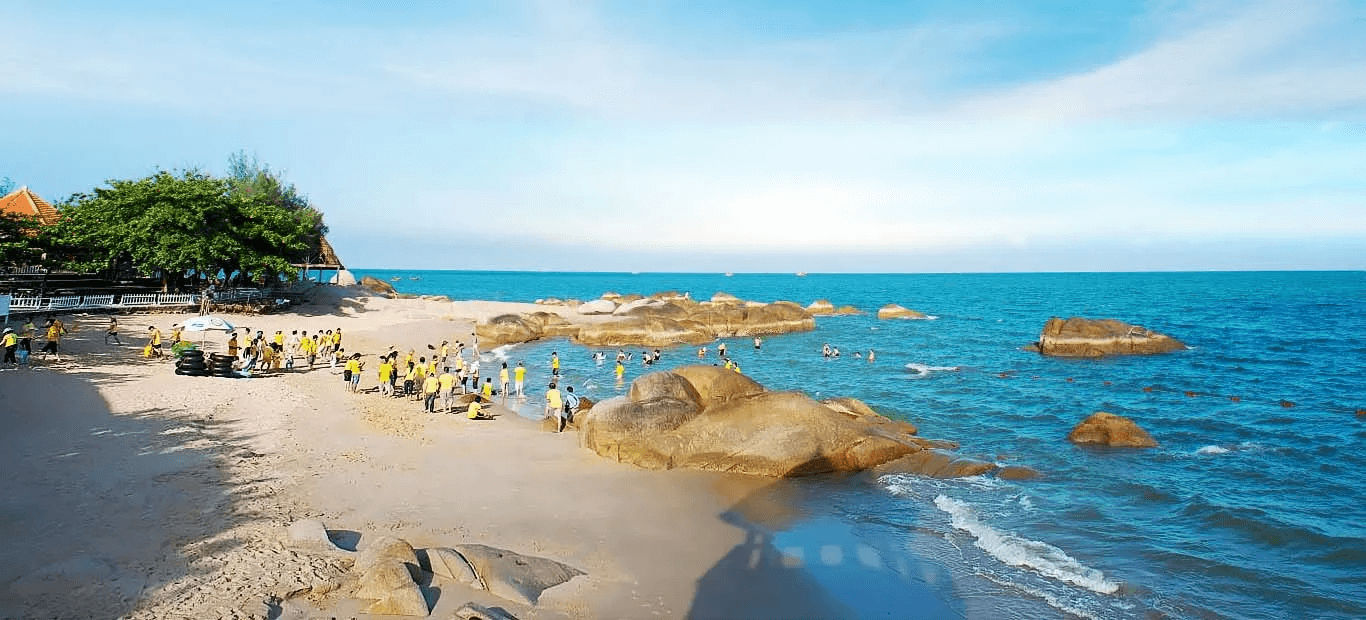
Long Hai is a coastal town east of Ho Chi Minh City and can be combined with a wider Vung Tau-area itinerary. Its appeal is a more relaxed seaside pace, local seafood and access to nearby sights such as Minh Dam Mountain. It is not a guaranteed empty beach: weekends and holidays can bring more visitors, and facilities vary along the shore.
Rather than relying on a single distance or drive-time estimate, check your exact route and traffic before leaving. Consider staying overnight if you want time for the beach and nearby stops without squeezing everything into one day. If you are planning a multi-stop Vietnam itinerary, our Vietnam travel tips can help with practical preparation.
Ho Tram: beach resorts and a quieter weekend
Ho Tram is a coastal escape known for resort stays and a long beach setting. It suits travelers who want to spend time by the sea and at their accommodation, rather than race through several stops. The Vietnam National Authority of Tourism describes Ho Tram as roughly 100 km from Ho Chi Minh City and a feasible drive for a short break; actual time depends on traffic and your starting point. Read its Ho Tram destination overview for additional context.
Plan this as an overnight or weekend trip if relaxation is the point. Before booking, confirm whether your chosen property has direct beach access, what services are open, and whether swimming is permitted under that day’s conditions. Ho Tram is often discussed together with Vung Tau, but they are separate stops; include both only if your schedule allows enough time.
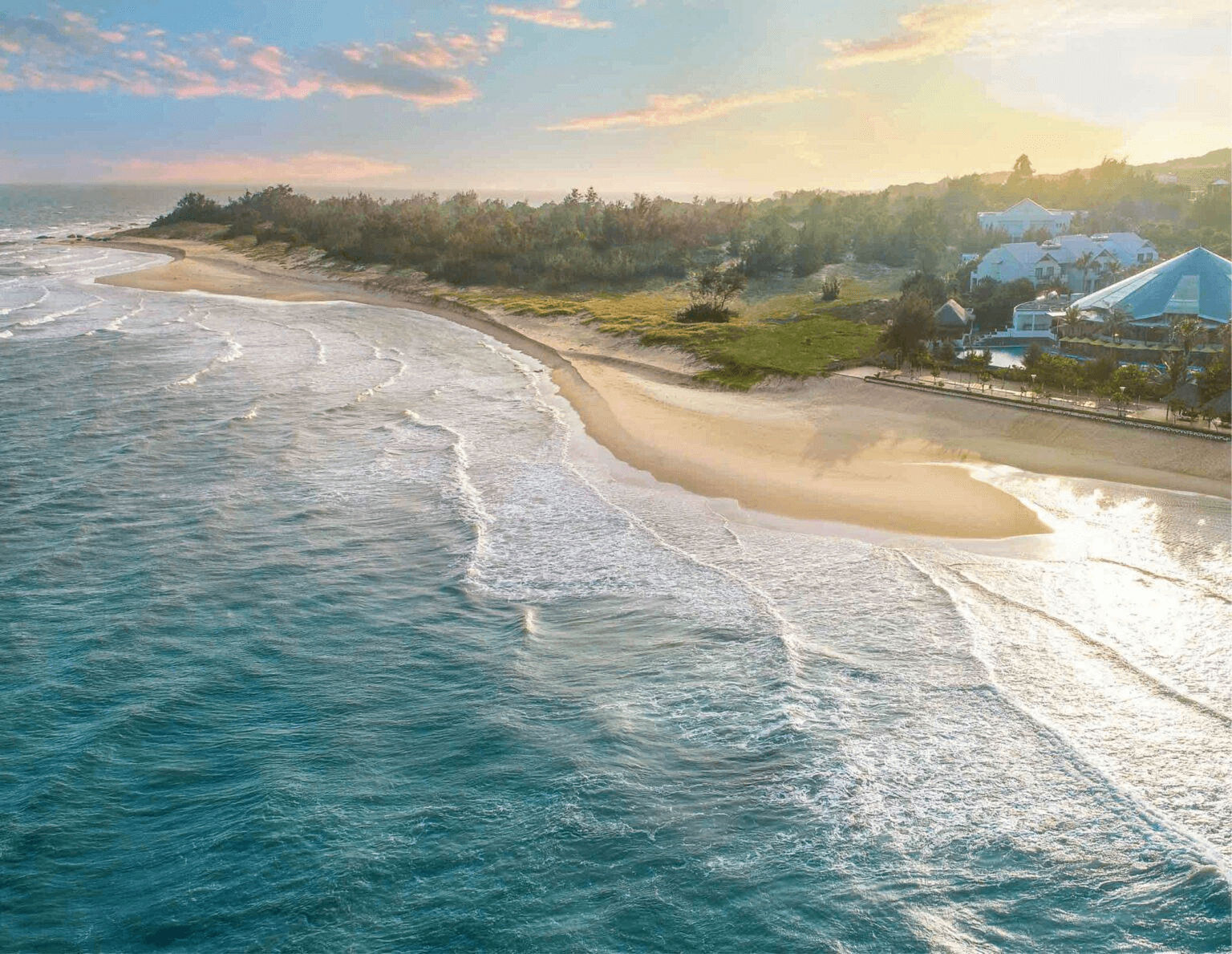
Doi Duong Beach: a city beach in Phan Thiet
Doi Duong sits beside Phan Thiet and offers a different experience from a resort-focused beach: it is a convenient urban shoreline with a public park nearby. It can be a good choice if you are already visiting Phan Thiet or want to combine a beach walk with local food and the city. Do not confuse it with Mui Ne: they are related coastal stops in the same broader region, but they are not the same beach or town.
Travel from Ho Chi Minh City is a substantial road journey, so check current route estimates and consider staying overnight. The beach is more rewarding when you have time to explore Phan Thiet rather than treating it as a quick city day trip. For more ideas around the country, see things to do in Vietnam.
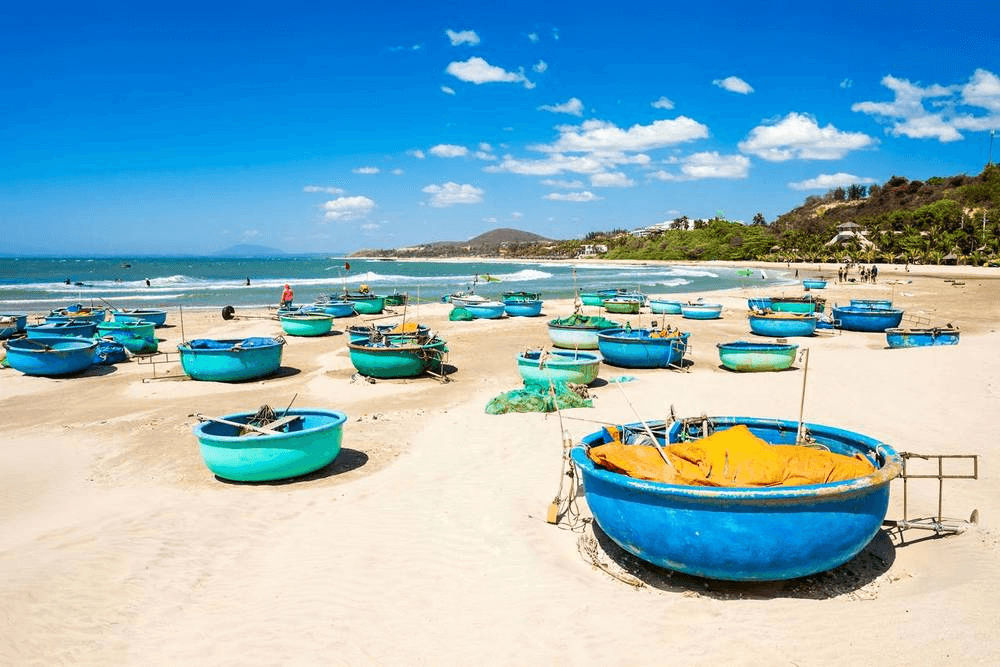
Mui Ne: a longer trip for wind, sand and sea
Mui Ne is a coastal destination well suited to a longer break, with beaches, wind-sport conditions and the well-known sand-dune landscape nearby. Conditions can make it especially appealing to kitesurfers and other wind-sport travelers, but wind and sea state vary by season and day. The official Vietnam Tourism guide describes Mui Ne as about a four-hour journey from Ho Chi Minh City; build in flexibility for traffic and stops. Read Vietnam Tourism’s Mui Ne guide before planning activities.
Choose accommodation based on the stretch of coast and activities you want; “Mui Ne” is used broadly for a coastal area with different neighborhoods and beach access. Check whether your hotel is near the beach you plan to use, and book instruction or equipment with a reputable operator if trying a water sport. A night or two makes more sense than a hurried day return.
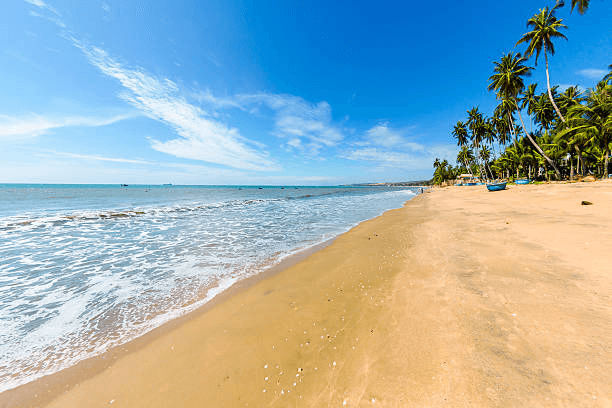
Phu Quoc: an island holiday, not a day trip
Phu Quoc is Vietnam’s largest island and offers beaches, resort areas and nature experiences. It belongs on this list for travelers willing to plan a separate island stay, not as a nearby beach reached by road. Flights from Ho Chi Minh City are commonly around an hour in the air, but schedules, airport time, transfers and delays add to the door-to-door journey.
Bai Sao is one of the island’s best-known beaches. Conditions, services and cleanliness can vary, so check recent local information and the weather rather than expecting every beach to look or feel the same year-round. Arrange transport from the airport and between beaches in advance if you have a short stay. For broader route planning, use our guide to getting around Vietnam.
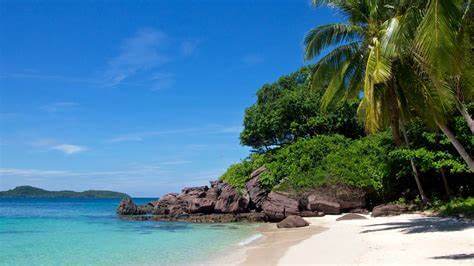
Con Dao: a nature-focused island escape
Con Dao is an archipelago off southern Vietnam with beaches and a strong nature and history dimension. It is reached by scheduled flights or ferry services, and the best option depends on the season, current route availability and sea conditions. Vietnam Tourism’s Con Dao travel guide outlines the island’s slower, nature-focused appeal and transport options.
Allow several days if you can: transport schedules and weather make a quick turnaround less practical, and the islands are best approached as a destination in their own right. Boat trips and wildlife experiences are subject to conditions, permits and seasonal protections. Follow local guidance, keep a respectful distance from wildlife, and never touch or disturb nesting turtles.
Our Best Selling Tour
- All-Inclusive
- Ho Chi Minh City Instagram Tour: The Hidden Gems(54 Reviews)
If you find yourself in Ho Chi Minh City then you must join us on a Ho Chi Minh City Instagram Tour: The Hidden Gems. This popular, all-inclusive Ho Chi Minh Ci...
US$109/pp Learn more

How to plan a beach trip from Ho Chi Minh City
- Choose by available time: Vung Tau is the most practical short escape; consider an overnight for Long Hai or Ho Tram; reserve more time for Mui Ne, Phu Quoc or Con Dao.
- Recheck transport: Road times change with traffic. Confirm ferry and flight schedules directly with operators, including departure terminals, luggage limits and return options.
- Check weather and sea conditions: Rain, wind, waves and local warnings affect swimming and boat trips. Our Ho Chi Minh City weather guide is a starting point, but check destination forecasts too.
- Swim with care: Use marked swimming areas when available, obey lifeguard flags and local instructions, and stay out of the water when conditions are unsafe. Do not assume a beach is supervised.
- Pack for the day: Bring sun protection, drinking water, a change of clothes, and cash or payment options suitable for your destination. Keep valuables secure and take litter back with you.
- Plan meals and stays: Browse our guides to Ho Chi Minh City restaurants and Ho Chi Minh City hotels for the city portion of your trip; book coastal accommodation early for busy weekends.
Beaches Near Ho Chi Minh City: Visitor Questions
Are there beaches inside Ho Chi Minh City?
Ho Chi Minh City’s central districts are inland rather than on a classic open-coast beach. Most travelers looking for sand and sea take a trip outside the urban core, with Vung Tau among the more convenient choices. The farther islands require separate flight or ferry arrangements.
What is the easiest beach day trip from Ho Chi Minh City?
Vung Tau is usually the simplest option to consider because it has road and hydrofoil connections and several beach areas. Journey time depends on the route, traffic and departure schedule, so check current services and plan your return before you leave.
Can I visit Mui Ne as a day trip?
It is a long journey for a same-day return. Since the trip commonly takes around four hours each way by road, an overnight stay gives you more time for the beach, local sights and changing conditions. Confirm current route estimates before booking.
Are Phu Quoc and Con Dao close enough for a beach day trip?
No. They are island destinations reached by flight or ferry, and the full journey includes transfers and schedule constraints. Plan multiple days, check transport availability, and allow buffer time rather than treating either island as a quick beach excursion.
When is the best time to visit beaches near Ho Chi Minh City?
There is no single best month for every destination. Rain, wind and sea conditions differ across the southern coast and islands, and can change whether swimming, snorkeling or boat trips are comfortable. Check destination-specific forecasts and local advisories shortly before travel; our Vietnam weather and seasonal guide can help with broader planning.
Is it safe to swim at these beaches?
Safety depends on the beach and conditions on the day. Follow lifeguard flags and local advice, choose designated swimming areas, supervise children closely, and avoid swimming during rough seas or after alcohol. Some beaches may have currents, limited supervision or changing water quality.
Choose the beach trip that fits your schedule
For a straightforward seaside break, start with Vung Tau. Choose Long Hai or Ho Tram when you want a slower coastal stay, and make time for Mui Ne or Doi Duong if you can stay overnight. Phu Quoc and Con Dao reward travelers who plan an island holiday around transport schedules. Before you go, check current weather, travel times and local sea guidance. When you return to the city, explore our Ho Chi Minh City street market guide or nightlife guide to round out your stay.
Recommended Articles


Get your VACATION on!
Expertly curated emails packed full of vacation inspiration, travel tips and more!